What Refrigerants Do New Dehumidifiers Use?
What is the newest Freon for dehumidifiers? Some newer refrigerant models may use R-32 or R-454B, while others still use R-410A or another gas. Check your exact model’s label or manual.
On this page (8 sections)
- What is the newest Freon for dehumidifiers?
- Which gas is used in a dehumidifier?
- How can you identify the refrigerant in your unit?
- Does the refrigerant affect ozone or climate?
- Are refrigerant dehumidifiers safe to use?
- How should you choose and set up a dehumidifier?
- What common mistakes should you avoid?
- Which dehumidifier should you choose?
Some newer refrigerant-based dehumidifiers may use R-32 or R-454B, but many models use R-410A or another refrigerant. If you're asking what is the newest Freon for dehumidifiers, check the exact model’s label or manual because there is no single gas used in every new unit.
“Freon” is a brand name, not a general term for all refrigerants. A code such as R-410A, R-32, or R-454B identifies the refrigerant in a specific appliance.
What is the newest Freon for dehumidifiers?
There is no single newest refrigerant used in every new dehumidifier. R-32 and R-454B are newer options used in some cooling equipment, while R-410A and other refrigerants remain in use in different products.
A refrigerant transition takes time. The gas in a particular dehumidifier depends on its design, the market where it was sold, and when that model was made.
Don’t assume a newly bought unit uses the newest available refrigerant. If the gas matters for service, environmental impact, or future repairs, check the full model number and appliance label before buying.
Is R-32 the newest Freon used in dehumidifiers?
R-32 is one newer refrigerant you may encounter, but it isn’t the refrigerant in every current dehumidifier. The appliance label and manual identify the gas for that model.
A refrigerant code doesn’t tell you the unit’s moisture-removal capacity, room coverage, or drainage needs. Compare those features separately to make sure the appliance fits the space.
Do newer dehumidifiers use R-454B?
Some newer cooling equipment may use R-454B, but you should confirm the code on the unit. Its use in the wider market doesn’t mean every new dehumidifier has switched to it.
If you’re comparing two models, use the full model numbers to find each manual and refrigerant label. Brand or cabinet appearance alone can’t identify the gas.
Which gas is used in a dehumidifier?
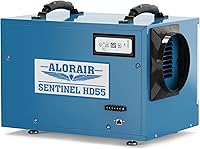
A compressor dehumidifier uses the refrigerant specified for its sealed cooling system. R-410A, R-32, and R-454B are examples you may see, but the model label provides the dependable answer.
A compressor unit pulls damp air across a cold coil, where water condenses and drains into a tank or hose. Refrigerant circulates through sealed tubing; it isn’t a routine refill item for the owner.
Some compact moisture absorbers use a different method. The Eva-Dry Wireless Mini uses silica gel beads, so it has no refrigerant circuit to identify.
It’s a better fit for a closet, cabinet, car, or gun safe than for a damp room. Its stated capacity is up to 6 oz, and the beads need recharging after about 20 to 30 days.
Skip it if you need continuous, high-volume moisture removal.
For more on everyday use of “Freon” and the refrigerant in a specific unit, see whether a dehumidifier has Freon in it.
How can you identify the refrigerant in your unit?
Read the rating plate or manual for your exact model. The label often names the gas with an “R” code and may show the refrigerant charge.
Look for a sticker or plate on the back, side, or near an access panel. If it’s hard to find, search the manual using the model number printed on the appliance.
Write down the full model number and refrigerant code before calling a service technician. Similar models can use different refrigerants, so don’t guess from the brand or cabinet shape.
Never open the sealed refrigerant circuit to inspect it. Refrigerant work needs suitable tools and training, and the model’s service instructions should guide repairs.
Does the refrigerant affect ozone or climate?
The refrigerant can matter for environmental impact, but its code alone doesn’t tell the whole story. Refrigerants have different properties, and releases can occur if a system leaks or is handled improperly.
Older refrigerants such as CFCs and HCFCs have been phased out or restricted in many uses because of ozone concerns. Many newer refrigerants don’t deplete the ozone layer, but some can still have a high global warming impact if released.
The label helps identify the gas, while safe handling and leak prevention help limit releases. Read whether dehumidifier refrigerants can damage the ozone layer for more on that distinction.
Are refrigerant dehumidifiers safe to use?
Follow the manual and keep the sealed system intact. Don’t puncture tubing or attempt a DIY recharge, and don’t ignore a damaged cabinet or suspected leak.
R-32 and R-454B are classified as mildly flammable in some applications. Equipment designed for these gases includes requirements for safe use and service, so follow the model’s instructions and keep ignition sources away from service work.
If the appliance is damaged, smells unusual, or develops a new hissing sound, turn it off if you can do so safely and contact the manufacturer or a qualified technician. See whether refrigerant dehumidifiers are safe.
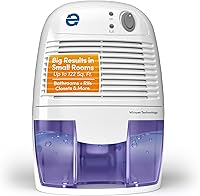
For a small room where a compact electric unit is enough, the Eva-Dry EDV-1100 is rated for spaces up to 122 sq. ft. It has a removable 16 oz reservoir and shuts off when the tank is full.
This thermo-electric unit is a fit for a small bedroom, bathroom, or storage area where quiet operation and a simple plug-in setup matter. It has no drain hose, so you’ll need to empty the tank.
Skip it for a larger damp room or a cold space: it isn’t recommended below 50°F, below 50% relative humidity, or beyond its stated area.
How should you choose and set up a dehumidifier?
Choose by moisture load, room size, temperature, and drainage first, then confirm the refrigerant if it matters to you. The gas code doesn’t show how much water a unit can remove or whether it suits your room.
For a small enclosed space with only mild moisture, a silica gel absorber avoids cords and refrigerant. If you are comparing powered moisture control, see AC dry mode vs dehumidifiers.
For a small room where you want powered moisture removal, a compact electric model with a tank can be more suitable.
For a larger or persistently damp space, compare compressor models by room coverage, capacity, operating temperature, and drainage.
Set the appliance on a level, stable surface with the clearances its manual calls for. Keep air inlets and outlets open, close doors and windows while it runs, and place the drain hose so water can flow away if the model supports continuous drainage.
The AprilAire 700M is a whole-house humidifier, not a dehumidifier. It adds moisture through a furnace system, so it won’t lower indoor humidity or help you compare dehumidifier refrigerants.
Don’t buy a humidifier to solve dampness. If you need lower indoor humidity, choose a dehumidifier sized for the space and check its refrigerant on the appliance label.
What common mistakes should you avoid?
Don’t identify a refrigerant by age, brand, or the word “Freon.” Read the exact model label because models from the same brand can differ.
Don’t choose by refrigerant alone. A newer gas won’t make an undersized unit suitable for a large basement, and a listed room area doesn’t guarantee the unit will perform well in a cold or unusually damp space.
Don’t try to recharge a dehumidifier as routine maintenance. If it stops collecting water or you suspect a refrigerant problem, check the manual and contact a qualified service professional instead of opening the sealed system.
Which dehumidifier should you choose?
Choose a silica gel absorber for a small enclosed area, a compact electric unit for a small room, and a compressor model for larger moisture problems. Check the refrigerant label only after confirming the appliance fits your space and use.
For the question “what is the newest Freon for dehumidifiers,” R-32 and R-454B are newer options you may see, while R-410A and other gases remain in use. Identify the gas from the model’s rating plate or manual, then choose based on room size, temperature, and drainage needs.
Frequently asked questions
What is the newest Freon for dehumidifiers?
There is no single refrigerant used by every new dehumidifier. Some newer refrigerant-based models may use R-32 or R-454B, while others use R-410A or a different gas.
Check the model’s nameplate or manual for its exact refrigerant.
“Freon” is a brand name, not a general category for all refrigerants.
Which gas is used in a dehumidifier?
A compressor dehumidifier uses the refrigerant named on its appliance label. Depending on the model and production date, you may see codes such as R-410A, R-32, or R-454B.
Some small dehumidifiers use another moisture-removal method and have no refrigerant circuit.
How do I find the refrigerant in my dehumidifier?
Look for a rating plate or label on the back, side, or inside an access panel, then check the manual using the model number. The label may show a refrigerant code such as R-410A and a charge amount.
Don’t open the sealed system to find out.
Is Freon the same as refrigerant?
Freon is a brand name for certain refrigerants, while refrigerant is the broader term for substances used in cooling systems. People often use “Freon” casually for any refrigerant, but the R-number on your unit is the useful way to identify its gas.