Dehumidifier vs Air Conditioner Dry Mode: Which Is Better? (November 2026)
Use a dehumidifier to remove moisture without needing active cooling; use air conditioner dry mode when the room also needs cooling. Dry mode can lower humidity while changing room temperature, so match the setting to the comfort problem.
On this page (8 sections)
- Dehumidifier vs air conditioner dry mode: which should you use?
- Does dry mode cool the room?
- Which option is better for a cool, damp room?
- When does dry mode make more sense?
- Does a dehumidifier help your air conditioner?
- Which option uses less energy?
- How should you decide for your room?
- Which should you choose: a dehumidifier or dry mode?
Use a dehumidifier when moisture is the main problem; use air conditioner dry mode when the room also needs cooling. Dry mode can remove moisture while changing the room temperature, while a dedicated dehumidifier focuses on moisture removal.
The right choice depends on what feels wrong. If the room is hot and damp, an air conditioner with dry mode can address both.
If it feels cool but clammy, a dehumidifier is the more direct fit.
For the difference between these appliances in other situations, see whether a dehumidifier can replace an air conditioner.


Dehumidifier vs air conditioner dry mode: which should you use?
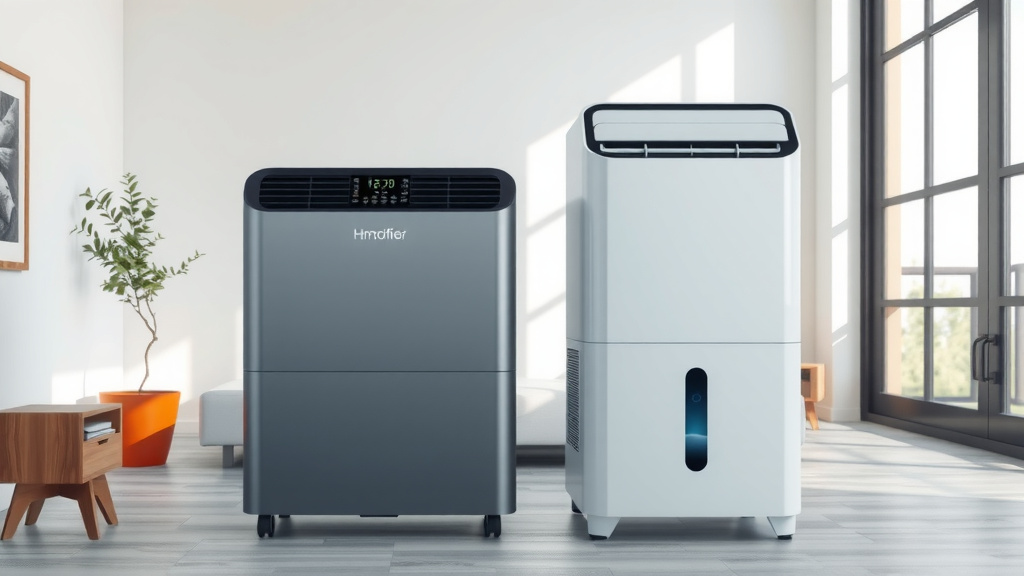
Choose a dehumidifier for humidity control without relying on cooling; choose dry mode when lowering humidity and cooling the room both help. The devices remove moisture in different ways and serve different comfort needs.
A dehumidifier draws room air across a cooling surface, condenses moisture into a tank or drain, and sends air back into the room. An air conditioner also collects condensate as it cools, and dry mode adjusts how it runs to remove moisture while limiting cooling compared with a standard cooling setting.
Dry mode doesn't always hold the room at a temperature you choose. The result depends on the AC design, room conditions and settings.
What does a dedicated dehumidifier do?
A dehumidifier removes moisture from indoor air and collects the resulting water. It can keep working toward a less humid room without being chosen primarily to cool the space.
That distinction matters in a cool basement, bathroom or bedroom. Running an air conditioner there may make the room colder than you want while trying to reduce humidity.
A dehumidifier also produces some heat as it operates, so the room may feel warmer. This is normal for many household dehumidifiers and is one reason to consider room temperature alongside dampness.
What does air conditioner dry mode do?
Dry mode uses the air conditioner to remove moisture while operating differently from its normal cooling mode. It can help when warm, humid air is making a room uncomfortable.
The setting doesn't make an air conditioner a standalone dehumidifier. It still depends on an AC unit installed and operating as intended, and it may lower room temperature as moisture is removed.
Read how air conditioners dehumidify the air for more on condensate and what happens during cooling. If you have central air, whether central air conditioners have dehumidifiers explains how whole-home systems handle moisture.
Does dry mode cool the room?
Yes, dry mode can cool the room, though its main aim is moisture removal rather than reaching a set cooling temperature. If the room is already cool, that temperature change may be unwelcome.
Many air conditioners' dry modes cycle the compressor and fan to pull moisture from the air. The exact operation varies by model, so check the owner's manual for how your unit behaves.
Use cooling mode instead if you need a specific temperature change. Use dry mode if the temperature is acceptable but the air feels damp, and check the room after it has run.
If humidity remains high, compare that result with a dedicated unit. A dehumidifier's controls and collection tank make moisture removal its main task rather than an extra mode.
Which option is better for a cool, damp room?
A dehumidifier is usually the better match for a cool, damp room because it targets moisture without making cooling the goal. Choose a model sized and suited to the space, then keep doors and windows closed during use as the instructions recommend.
For a small room, the ToLife Dehumidifier has a low-speed sleep mode and automatic shutoff when its tank is full or incorrectly placed.
A tank needs regular emptying, so think about how often you're willing to check it. The boglvr Dehumidifier for Home up has a 98 oz tank, an included drain hose for gravity drainage and timer settings of 8, 16 or 24 hours.
A dehumidifier won't lower a high room temperature. If the room is both hot and damp, an air conditioner may be a better first choice.
When does dry mode make more sense?
Use dry mode when the room is warm and humid and you want the air conditioner to help with both conditions. It can be convenient when you already have an AC unit that offers this setting.
The Frigidaire window air conditioner has a dry mode, 6,000 BTU cooling and a stated room coverage of up to 250 sq ft. Its remote and timer can help you manage use in a small room.
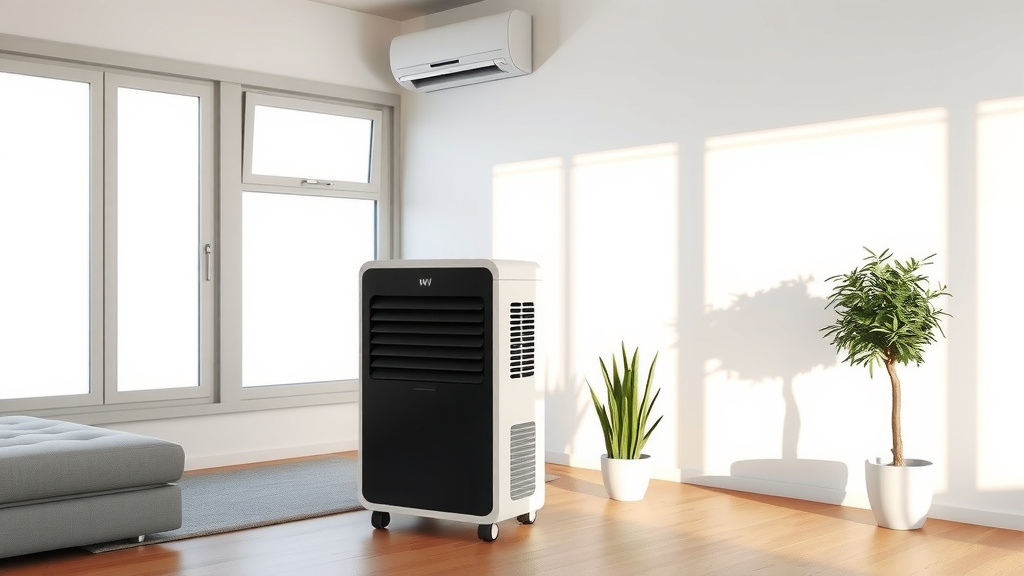
For a portable option, the DOMANKI Inverter 16000 BTU Portable Air Conditioner includes cool, dry, fan and auto modes. It also needs its exhaust hose and window kit installed as directed.
Dry mode may not be a good substitute if the unit is oversized, the room gets too cool, or dampness continues. Check the room conditions and the appliance manual rather than assuming the mode can solve every moisture problem.
Does a dehumidifier help your air conditioner?
A dehumidifier can make humid air feel more comfortable, but it adds heat to the room that the air conditioner may then need to remove. Whether the combination helps depends on how damp and warm the space is.
If the AC already keeps humidity comfortable, adding a dehumidifier may add unnecessary heat and power use. If a room stays damp despite normal AC operation, a separate unit may help target that room.
Read whether a dehumidifier helps your air conditioner for a closer look at when combining them makes sense. For the broader question, whether you need a dehumidifier if you have air conditioning weighs room comfort and ongoing dampness.
Which option uses less energy?
You can't tell which uses less energy from the appliance type alone. For a separate estimate, see how much electricity humidifiers use.
Compare the exact units' power information and how long you expect to run them.
An air conditioner uses energy to move heat outdoors while cooling. A dehumidifier uses energy to condense moisture and may add heat indoors, which could make the AC run longer if both appliances operate together.
A dry mode's energy use depends on the air conditioner's design and operating pattern. Check the manual or energy information for your model rather than treating dry mode as automatically cheaper than cooling.
Our guide to dehumidifier and air conditioner energy use explains what to compare. Include room size, humidity, temperature and hours of operation when estimating use.
How should you decide for your room?
Start with the room's temperature and humidity, then choose the appliance that addresses the main discomfort. A simple check over a few days can show whether you need cooling, moisture removal or both.
Use this decision rule:
- Hot and humid: try air conditioning, including dry mode if you don't need strong cooling.
- Cool and damp: use a dehumidifier so cooling isn't the main function.
- Hot, damp and persistent: use cooling first, then assess whether a dehumidifier is still needed.
- Damp in one room only: focus moisture control in that space and check for leaks or ventilation problems.
The best setting is the one that improves comfort without making the room too cold. If humidity persists, investigate the moisture source rather than relying on an appliance alone.
Which should you choose: a dehumidifier or dry mode?
Pick a dehumidifier for dampness without a need for cooling; pick air conditioner dry mode when the room is also warm. For dehumidifier vs air conditioner dry mode, temperature is the deciding factor.
Choose a dedicated unit when a cool room stays clammy, and use dry mode when a warm room needs moisture removal with some cooling. If you still need lower humidity after running AC, consider whether a separate dehumidifier fits the room and your energy use.
Frequently asked questions
Does dry mode on an air conditioner remove humidity?
Yes. An air conditioner in dry mode removes some moisture as it cools air, but its effect depends on the room and the unit.
It may lower the temperature while doing so, which can make it less suitable when the room is already cool.
Should I use dry mode or a dehumidifier?
Use dry mode when you want moisture removal and the room also needs cooling. Use a dehumidifier when humidity is the main issue and you want more control over moisture without relying on air conditioning for temperature changes.
Can dry mode replace a dehumidifier?
Dry mode may be enough for occasional humidity control in a room that needs cooling. A dedicated dehumidifier is the more direct choice when dampness persists and you want to reduce moisture without cooling the room as the main function.
Which uses less energy, a dehumidifier or air conditioner dry mode?
There isn't one answer for every room or appliance. Compare the wattage or energy information for the exact models and consider how long each runs, the room conditions and whether cooling is also needed.
Can I run an air conditioner and dehumidifier together?
You can use both if the room still feels damp after air conditioning, but monitor the temperature and humidity so you don't overcool or overdry the space. Keep doors and windows closed as appropriate and follow each appliance's placement and operating instructions.