
Do I Need a Dehumidifier for a Cabin?
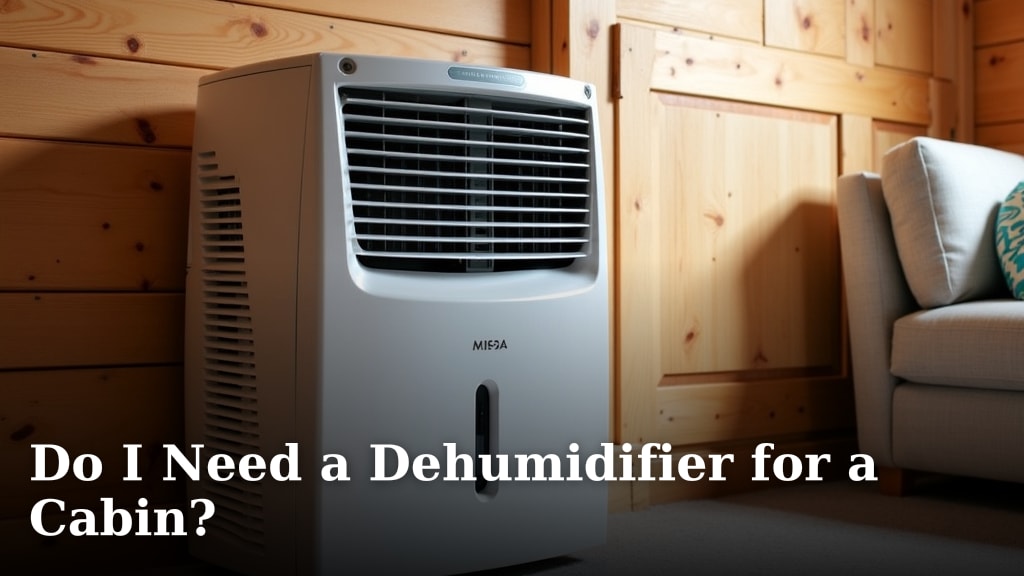
Yes, you likely need a dehumidifier for your cabin, especially if it’s often closed up or located in a humid climate. A dehumidifier helps prevent mold and mildew growth, protecting your cabin’s structure and your belongings. It also makes the air feel more comfortable by reducing dampness.
Cabin environments can easily become damp due to weather, lack of constant ventilation, and stored items. High humidity can lead to a musty smell and potential damage over time. Investing in a dehumidifier is a smart way to maintain a healthy cabin atmosphere and preserve your investment.
- Your cabin might need a dehumidifier.
- Humidity can cause mold, mildew, and musty smells.
- Dehumidifiers keep your cabin air dry and comfortable.
- They protect your cabin from moisture damage.
Let’s break down why a dehumidifier is so important for cabins and how to choose the right one for your needs.
When Does Your Cabin Really Need a Dehumidifier?
Let’s get right to it. If your cabin experiences any of the following, you’re probably going to need a dehumidifier.
Think of your cabin like a beloved, slightly neglected houseplant. It needs just the right environment to thrive. Too much water (humidity), and it can get sick. Too little, and it might wilt. A dehumidifier is your tool for maintaining that perfect balance.
Where is Your Cabin Located?
The geography of your cabin plays a huge role. If it’s nestled in a region known for sticky summers and damp winters, like the Pacific Northwest, the Southeast, or even parts of the Northeast, humidity is likely a constant battle. Coastal areas often deal with higher moisture levels too. These places are prime candidates for needing a dehumidifier.
How Often is Your Cabin Used?
This is a big one. If your cabin is a weekend getaway or a seasonal retreat, it’s likely closed up for extended periods. When windows and doors stay shut, moisture has nowhere to go. It can build up from everyday activities like cooking and breathing, or from outside air seeping in. This is where a dehumidifier becomes your silent protector. For a cabin that’s frequently unoccupied, a dehumidifier is almost a necessity.
Even if you visit regularly, if you notice any of the signs we’ll discuss soon, it’s worth considering. An unoccupied cabin is a perfect breeding ground for dampness. Air doesn’t circulate, and whatever moisture is present just sits there, potentially causing problems.
What’s the Condition of Your Cabin?
The age and construction of your cabin matter. Older cabins might have less effective insulation or seals, allowing more damp air to enter. Any existing leaks, no matter how small, can contribute to indoor humidity. If your cabin has a basement or crawl space, these areas are notorious for collecting moisture and can significantly impact the overall humidity levels.
The Sneaky Problems Caused by Cabin Humidity
High humidity isn’t just about feeling a bit sticky. It can silently wreak havoc on your cabin and your belongings. Let’s look at the most common issues.
Mold and Mildew: The Unwanted Guests
This is probably the most significant concern with high humidity. Mold and mildew thrive in damp environments. They can start as small spots on walls, in closets, or around windows. Before you know it, they can spread rapidly. Not only do they look unsightly and smell musty, but they can also cause structural damage to wood and other materials over time. A dehumidifier helps prevent mold and mildew by controlling the moisture they need to grow.
The U.S. Environmental Protection Agency (EPA) recommends controlling humidity levels indoors to prevent mold growth. They suggest keeping indoor humidity between 30% and 50% (EPA).
For your health, mold spores can be problematic, especially for those with allergies or respiratory issues. A dehumidifier helps keep the air dry enough to discourage these unwanted guests from setting up shop.
Musty Odors: The Sign of Trouble
That classic “cabin smell” isn’t always charming. Often, it’s the scent of trapped moisture, mold, and mildew. This persistent musty odor can make your cabin less inviting. It’s a clear signal that humidity levels are too high and something needs to be done. A dehumidifier will tackle the root cause of the smell by removing excess moisture from the air.
Damage to Belongings and Structure
Beyond mold, excessive dampness can damage furniture, books, electronics, and clothing stored in your cabin. Wood can warp, metal can rust, and fabrics can become stiff or brittle. Even the structure of your cabin can suffer. Materials like drywall, wood framing, and insulation can degrade when exposed to prolonged high humidity. This can lead to costly repairs down the line. A dehumidifier is a preventative measure to protect your investment.
Pest Attraction
Believe it or not, some pests are attracted to damp environments. Silverfish, for example, love moist areas. High humidity can make certain materials more appealing to insects and rodents looking for water or shelter. Keeping your cabin dry with a dehumidifier can help make it a less attractive place for these unwelcome visitors.
Signs Your Cabin is Too Humid
How can you tell if your cabin is suffering from too much moisture? Keep an eye out for these common indicators.
Visible Signs
- Condensation: Do you see water droplets on windows, mirrors, or cold pipes? This is a classic sign of high humidity.
- Damp spots: Look for discolored or damp patches on walls, ceilings, or around plumbing.
- Peeling paint or wallpaper: Moisture can cause paint to bubble and wallpaper to peel away from the wall.
- Mold or mildew growth: As mentioned, any visible signs of mold or mildew are a red flag.
Sensory Clues
- Musty smell: That damp, earthy scent is a giveaway.
- Feeling sticky or clammy: When the air feels heavy and damp, it’s usually a sign of high humidity.
Damage Indicators
- Warped wood: Doors that stick, cabinets that won’t close properly, or warped wooden floors can indicate moisture issues.
- Rusting metal: Tools, appliances, or metal fixtures showing signs of rust can be a clue.
- Deteriorating fabrics: Upholstery or stored fabrics feeling stiff or showing signs of mildew.
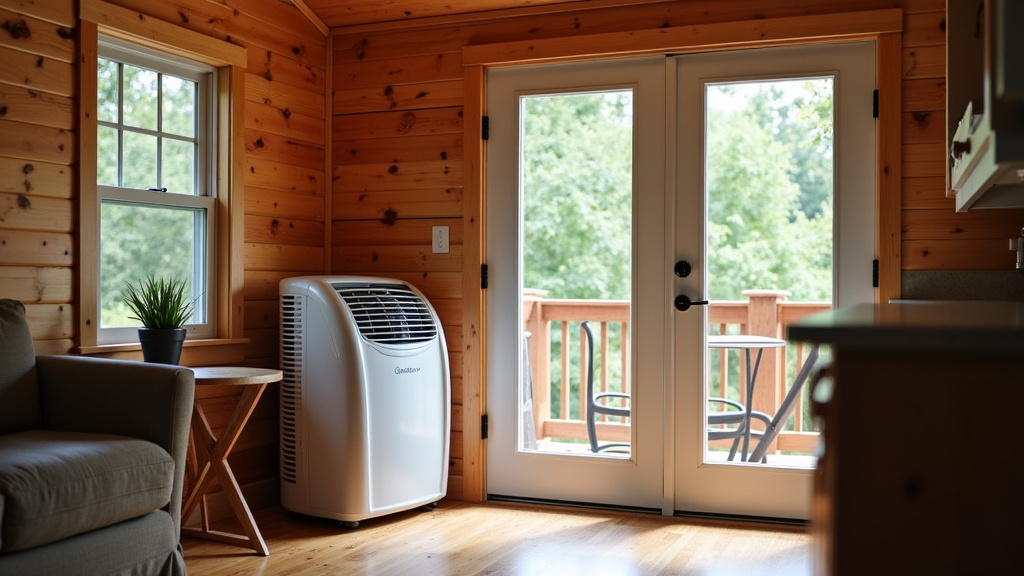
Choosing the Right Dehumidifier for Your Cabin
If you’ve determined a dehumidifier is a good idea, the next step is picking the right one. It’s not one-size-fits-all!
Capacity Matters: How Big is Your Cabin?
Dehumidifiers are rated by how much water they can remove from the air per day, typically in pints. The size of your cabin and the level of humidity you’re dealing with will dictate the capacity you need. A small cabin in a moderately humid area might only need a small unit, while a larger cabin in a very damp climate will require a more powerful one.
General Guidelines by Square Footage
We found these general recommendations:
| Approximate Square Footage | Recommended Capacity (Pints/Day) | Ideal for Areas With |
|---|---|---|
| Up to 500 sq ft | 10-20 pints | Mild humidity |
| 500-1,000 sq ft | 20-30 pints | Moderate humidity |
| 1,000-1,500 sq ft | 30-40 pints | Moderately high humidity |
| 1,500-2,000 sq ft | 40-50 pints | High humidity, damp basements |
| 2,000+ sq ft | 50+ pints | Very damp conditions, large spaces |
It’s often better to overestimate slightly than to underestimate. A unit that’s too small will struggle to keep up, running constantly and not effectively reducing humidity.
Drainage Options: Manual vs. Automatic
Dehumidifiers collect water in a tank. You’ll need to empty this tank regularly. How often depends on the unit’s capacity and how much moisture it’s removing. For cabins you don’t visit often, or if you want less hassle, consider a unit with:
- Continuous Drainage: Many units have an option to attach a hose. This allows the water to drain continuously into a floor drain, sump pump, or even outside. This is incredibly convenient, especially for extended periods of absence.
- Automatic Shut-off: All units will shut off when the water tank is full. But with continuous drainage, this feature is less critical for preventing spills.
Features to Consider for Cabin Use
When selecting a dehumidifier for a cabin, think about its unique environment.
- Adjustable Humidistat: This allows you to set your desired humidity level, usually between 30% and 50%. The unit will then automatically turn on and off to maintain that level. This saves energy and prevents over-drying.
- Low-Temperature Operation: If your cabin might experience cooler temperatures, especially if it’s unheated during certain times of the year, look for a model designed to work effectively in cooler conditions (around 40-65°F or 5-18°C). Some units can freeze up if operated below their recommended temperature range.
- Portability: Most dehumidifiers have wheels or handles, making them relatively easy to move between rooms if needed.
- Energy Efficiency: Look for ENERGY STAR certified models. While they might have a higher upfront cost, they can save you money on electricity bills over time.
Your Cabin Dehumidifier Checklist
Before you buy, quickly run through this list to make sure you’re on the right track:
- Does your cabin’s location suggest high humidity? (Coastal, rainy climate)
- Is the cabin often unoccupied for long stretches?
- Have you noticed any signs of moisture damage or musty smells?
- Have you measured your cabin’s square footage accurately?
- Do you prefer manual emptying or continuous drainage?
- Will the cabin be subject to cooler temperatures when the unit might run?
Answering yes to even a few of these questions points strongly towards needing a dehumidifier. It’s a small investment that can save you a lot of headaches and protect your beloved cabin.
Conclusion
You’ve learned a lot about why your cabin might need a dehumidifier. From preventing mold and musty smells to protecting your belongings and the cabin’s structure, a dehumidifier is a smart investment. It’s especially important if your cabin is in a humid area or unoccupied for long periods. Don’t let moisture damage or discomfort ruin your retreat. Take a moment to assess your cabin’s needs using the signs and guidelines we’ve discussed. Your next step is to research dehumidifier capacities and features that best suit your specific cabin environment. Your cabin will thank you for it!
Frequently Asked Questions
How often do I need to empty the dehumidifier tank?
This depends on your dehumidifier’s capacity and how much moisture it’s pulling from the air. Smaller units in damp conditions might need emptying daily. Larger units in less humid spaces might only need attention weekly. Many modern units offer continuous drainage options to eliminate manual emptying.
Can a dehumidifier run all the time?
Yes, if your cabin has a continuous drainage setup and you want to maintain a specific humidity level. Most dehumidifiers have an adjustable humidistat that automatically turns the unit on and off. This keeps the humidity in your desired range without constant monitoring and saves energy.
What humidity level should I aim for in my cabin?
Most experts, including the EPA, recommend keeping indoor humidity levels between 30% and 50%. This range is ideal for preventing mold and mildew growth while also ensuring comfort. Your dehumidifier’s adjustable humidistat can help you easily maintain this target.
Will a dehumidifier make my cabin too dry?
Not if you use the adjustable humidistat feature. This allows you to set your preferred humidity level, typically between 30% and 50%. The dehumidifier will then cycle on and off to maintain that setting, preventing the air from becoming excessively dry.
What if my cabin gets cold in the winter?
If your cabin experiences cool temperatures, look for a dehumidifier specifically designed for low-temperature operation. Standard units can freeze up and stop working effectively below certain temperatures (often around 60-65°F). Models designed for cooler use can handle ambient temperatures as low as 40°F.
