Do I Need a Dehumidifier in a Humid Climate Year Round?
On this page (8 sections)
- Is a Dehumidifier Necessary All Year in Humid Climates?
- Understanding Indoor Humidity: More Than Just Summer Sweat
- The Downsides of Excess Indoor Humidity
- Choosing the Right Dehumidifier for Your Needs
- Maintaining Your Dehumidifier for Optimal Performance
- Your Year-Round Humidity Control Checklist
- Conclusion
- Frequently Asked Questions
Yes, if you live in a generally humid climate, you will likely need a dehumidifier year-round. Humid air can lead to a host of problems, from damp-feeling spaces to potential mold growth. Keeping your indoor humidity levels balanced is key for a comfortable and healthy home environment, no matter the season. You might think summer is the only culprit, but indoor humidity can be a constant battle.
Even in cooler months, your home can trap moisture. Cooking, showering, and even breathing all add moisture to the air. Without proper ventilation or a dehumidifier, this moisture can build up. This can make your home feel stuffy and contribute to higher energy bills as your air conditioner works overtime. Research shows that maintaining humidity between 30-50% is best for your home and health.
- Yes, a dehumidifier is often needed year-round in humid climates.
- High indoor humidity can cause discomfort and health issues.
- It can also lead to mold and mildew growth.
- Maintaining 30-50% humidity is ideal for your home.
Let’s take a closer look at why a dehumidifier might be your best friend in a humid climate and how to choose the right one.
Is a Dehumidifier Necessary All Year in Humid Climates?
Living in a humid climate often feels like carrying around a wet towel. For a regional look, see our guide to dehumidifiers in California. Even when it’s not actively raining, the air itself feels heavy and damp. You might wonder if you really need a dehumidifier when the temperature drops. The short answer is: yes, you probably do.
Indoor humidity levels can remain high year-round, even in cooler months. This persistent moisture can cause a surprising number of problems for your home and your health. Let’s dive into why keeping that humidity in check is a year-round job.
Understanding Indoor Humidity: More Than Just Summer Sweat
Many people associate high humidity with hot, sticky summer days. While summer definitely brings its share of moisture, it’s not the only time humidity becomes an issue. Your home generates its own moisture every single day.
Daily Moisture Sources in Your Home
Think about your daily routines. Every time you shower, cook, wash dishes, or even just breathe, you’re adding moisture to the air. When this moisture can’t escape your home, it lingers.
- Cooking: Boiling water or simmering sauces releases a lot of steam.
- Showering/Bathing: Hot water creates steam that hangs around.
- Laundry: Drying clothes indoors, especially without a vented dryer, adds significant moisture.
- Breathing: We exhale water vapor constantly.
- Plants: Houseplants release moisture through transpiration.
How Humidity Lingers in Cooler Months
In humid climates, the outside air remains moist even when temperatures are lower. If your home isn’t well-sealed, this damp air can still seep in. More often, though, the moisture generated inside gets trapped.
During colder months, you might run your heating system more. Many heating systems can dry out the air, but if your home is already humid, this effect might not be enough. Plus, if you’re running humidifiers to combat dry indoor air, you could be overdoing it and creating a different problem. Our guide explains how to use a dehumidifier in winter.
The Downsides of Excess Indoor Humidity
Living with constant high humidity is more than just uncomfortable. It can create an environment that’s ripe for problems. Ignoring it can lead to issues that are costly and difficult to fix.
Impact on Your Home’s Structure
Excess moisture is not friendly to building materials. Wood can warp and rot, paint can peel, and wallpaper can bubble. Over time, persistent dampness can weaken structural components of your home.
This is especially true in basements and crawl spaces, which are naturally prone to moisture buildup. These areas can become breeding grounds for mold and mildew if not properly managed.
The Unpleasant Reality of Mold and Mildew
Perhaps the most talked-about problem with high humidity is mold and mildew growth. These fungi thrive in damp conditions. They can appear as dark spots on walls, ceilings, or in bathrooms.
Mold not only looks unsightly but can also cause significant health problems. We found that mold spores can trigger allergic reactions, asthma symptoms, and other respiratory issues (CDC). Our guide explains if a dehumidifier can get rid of mold.
Effects on Your Belongings
Beyond the structure of your home, your belongings suffer too. Books can become damp and develop a musty smell. Electronics can be damaged by moisture. Even your clothes in the closet can feel damp and acquire that unpleasant mildew odor.
Think about your favorite sweater or that cherished photo album. High humidity can compromise their integrity and shorten their lifespan. It’s like living in a perpetual damp storage unit.
Health Implications of Poor Air Quality
As mentioned, mold and mildew are major health concerns. But even without visible mold, high humidity can impact your well-being. It can make the air feel heavy and harder to breathe.
Research has shown that maintaining indoor humidity between 30% and 50% is optimal for health and comfort (EPA). Levels above 50% can exacerbate allergies, asthma, and other respiratory conditions. It can also lead to feelings of fatigue and general malaise.
Energy Efficiency Concerns
Did you know that humidity impacts your energy bills? When the air is humid, it feels warmer than it actually is. This means your air conditioner has to work harder and run longer to achieve the same level of coolness you perceive.
We found that a dehumidifier can actually help your air conditioner be more efficient. By removing excess moisture, your AC doesn’t have to work as hard to cool the air, potentially saving you money on your electricity bills. It’s a win-win for comfort and your wallet.
Choosing the Right Dehumidifier for Your Needs
If you’ve decided a dehumidifier is in your future, the next step is picking the right one. Not all dehumidifiers are created equal, and the best choice depends on your specific needs and the size of your space.
Key Features to Consider
When shopping, look for these important features:
- Capacity: Dehumidifiers are rated by how much moisture they can remove per day (e.g., 30-pint, 50-pint, 70-pint). Choose a capacity appropriate for your home’s square footage and humidity level. A larger home or a very damp basement will need a higher capacity.
- Humidistat: This is a sensor that measures humidity and automatically turns the unit on and off to maintain your desired humidity level. It’s more energy-efficient than a unit that runs constantly.
- Automatic Shut-off: This feature stops the unit when the water collection tank is full, preventing overflows.
- Drain Hose Option: For continuous operation, especially in basements or damp areas, a model with a drain hose connection is very convenient. It allows the unit to drain directly into a floor drain or pump.
- Energy Efficiency: Look for ENERGY STAR certified models. They use less energy, saving you money.
Dehumidifier Sizing Guide (General)**
| Room/Home Size (sq. ft.) | Typical Humidity Level | Recommended Capacity (Pints/Day) |
|---|---|---|
| 300-500 | Moderately Damp | 20-30 |
| 500-1000 | Damp | 30-40 |
| 1000-1500 | Very Damp | 40-50 |
| 1500-2000+ | Extremely Damp/Basement | 50-70+ |
Note: This is a general guide. Very humid conditions or specific problem areas like basements might require a larger capacity.
Where to Place Your Dehumidifier
For maximum effectiveness, place your dehumidifier in the area where humidity is the highest. This is often a basement, bathroom, or a closed-off room.
Ensure there’s good airflow around the unit. Don’t block the air intake or exhaust. If you’re trying to dehumidify an entire floor, you might need multiple units or a larger capacity model placed in a central location.
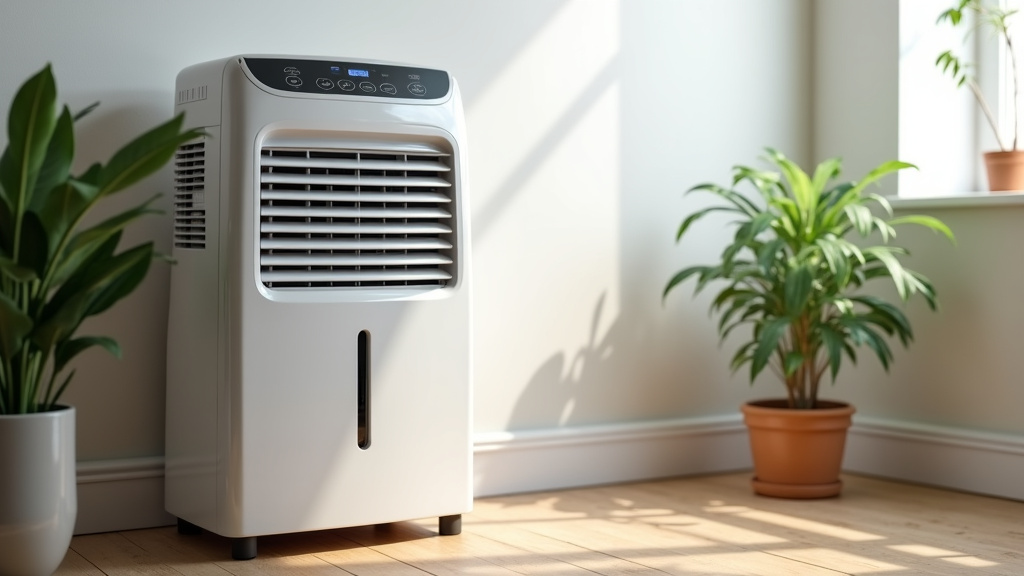
Maintaining Your Dehumidifier for Optimal Performance
Once you have your dehumidifier, proper maintenance is key. A well-maintained unit will work more efficiently and last longer.
Regular Cleaning and Emptying
The most frequent task is emptying the water collection tank. If your unit has a drain hose, make sure it’s clear and draining properly. Regularly clean the tank with mild soap and water to prevent mold and bacteria growth.
Filter Care
Most dehumidifiers have an air filter that needs cleaning or replacement. A clogged filter restricts airflow, making the unit work harder and less effectively. Check your owner’s manual for specific instructions on filter maintenance.
We found that a clean filter is essential for both performance and the lifespan of your dehumidifier. Make it a habit to check it monthly.
Your Year-Round Humidity Control Checklist
To ensure your home stays comfortable and healthy throughout the year, consider these points:
- Monitor Humidity Levels: Use a hygrometer (humidity meter) to track indoor humidity. Aim for 30-50%.
- Ventilate When Needed: Open windows when outdoor air is drier than indoor air, especially after cooking or showering.
- Check for Leaks: Fix any plumbing leaks promptly, as they are a major source of excess moisture.
- Use Exhaust Fans: Always run exhaust fans in bathrooms and kitchens during and after use.
- Clean Regularly: Keep your dehumidifier clean, including the tank and filter.
- Empty or Drain: Ensure the water collection tank is emptied or the drain hose is functioning.
Conclusion
Living in a humid climate means moisture is a year-round concern, not just a summer problem. For regional guidance, see dehumidifiers in Texas. You’ve learned how daily activities and even cooler outdoor air can contribute to indoor dampness. This can lead to discomfort, damage to your home, and health issues like mold growth. Taking control with a dehumidifier is a smart investment in your home’s health and your own well-being. Consider investing in a dehumidifier that fits your space and needs to maintain that ideal 30-50% humidity level for a healthier, more comfortable living environment. Start by assessing your home’s humidity levels today!
Frequently Asked Questions
How often should I empty my dehumidifier’s water tank?
You should empty your dehumidifier’s water tank whenever it’s full, which could be daily or every few days depending on the humidity levels. Many units have an automatic shut-off feature to alert you when the tank is nearly full. For continuous operation, consider using a drain hose if your model supports it.
Can a dehumidifier help with musty smells?
Yes, a dehumidifier can definitely help with musty smells. Musty odors are often caused by mold and mildew, which thrive in damp environments. By removing excess moisture from the air, a dehumidifier creates an environment less favorable for these organisms, thereby reducing or eliminating the musty scent.
Is a dehumidifier safe to run all day and night?
Generally, yes, it is safe to run a dehumidifier all day and night, especially if you live in a consistently humid climate. Modern dehumidifiers with humidistats will cycle on and off automatically to maintain your set humidity level, making them energy-efficient for continuous use.
Will a dehumidifier make my home feel colder?
A dehumidifier itself does not have a significant cooling effect like an air conditioner. However, by removing moisture, it makes the air feel less heavy and more comfortable, meaning you might not need to set your air conditioner as low. This can indirectly contribute to a feeling of coolness and save energy.
What’s the difference between a dehumidifier and an air conditioner?
An air conditioner’s primary job is to cool the air, and it also removes some moisture as a byproduct. A dehumidifier’s main function is to remove moisture from the air; it has a minimal impact on temperature. In humid climates, you might need both for optimal comfort.