How to Dehumidify a Grow Tent?
On this page (8 sections)
The best way to dehumidify a grow tent is by using a The best way to dehumidify a grow tent is by using a dehumidifier for grow tent.dehumidifier designed for small spaces. You can also improve airflow with a powerful fan and ensure your tent is properly sealed to keep humid air out. Getting your humidity levels right is key for healthy plant growth.
High humidity in your grow tent can lead to mold and mildew problems. This can damage your plants and affect your harvest. Many growers find that a combination of ventilation and targeted dehumidification works best. It’s about finding that sweet spot for your plants’ needs.
- Use a small dehumidifier.
- Ensure good ventilation.
- Seal your grow tent well.
- Monitor humidity levels regularly.
- Consider your plant’s growth stage.
Let’s walk through exactly how to tackle high humidity in your grow tent, step by step.
Managing Humidity Levels in Your Grow Tent
Keeping your grow tent’s humidity in check is like setting the perfect thermostat for your plants. You need that sweet spot for them to thrive. Too much moisture can lead to dreaded mold and mildew. Your plants can get sick, and your harvest could be ruined. Let’s get your tent’s air just right.
Understanding Grow Tent Humidity Problems
So, why does humidity become such a big deal in a grow tent? Think of your tent as a mini-greenhouse. Plants naturally release moisture through a process called transpiration. When they do this inside an enclosed space like a tent, that moisture can build up. If your ventilation isn’t strong enough to move it out, you’ve got a humid problem.
The Risks of High Humidity
High humidity is a breeding ground for trouble. We’re talking about mold and mildew. These fungi love damp, warm environments. They can attack your plants’ leaves, stems, and even roots. This not only stunts growth but can also ruin your buds. It’s a major setback for any grower.
Beyond mold, excessive humidity can also affect your plants’ ability to transpire effectively. This is how they take in CO2 and nutrients. When the air is already full of moisture, it’s harder for plants to “breathe” and drink. This can lead to a less healthy plant overall.
Identifying the Signs of High Humidity
How do you know if your tent is too damp? You might see condensation on the inside walls of your tent. You could also notice a musty smell. Sometimes, you’ll see tiny water droplets on your plant leaves, even when you haven’t just watered them. Keep an eye out for any signs of fuzzy growth on your plants or tent material.
Your Dehumidification Toolkit
You’ve got a few great tools to fight high humidity. The most effective is often a dedicated dehumidifier. But don’t just grab any old one. You need one that fits your tent’s size.
Choosing the Right Dehumidifier
For most grow tents, a small, portable dehumidifier is your best bet. These units are designed for smaller spaces and don’t need huge water reservoirs. Look for one with an auto-shutoff feature for when the tank is full. Many also have a continuous drain option, which is super handy. You can connect a hose to drain the water directly, so you don’t have to empty it as often. When selecting a dehumidifier, check its dehumidifier capacity.
When selecting a dehumidifier, check its moisture removal capacity. This is usually measured in pints per day. For a typical 2×2 or 4×4 tent, a unit that removes 5-10 pints a day might be sufficient. Larger tents will need something with a higher capacity. We found that units with a built-in humidistat are also excellent. This lets you set a target humidity level, and the machine will cycle on and off to maintain it.
Ventilation: Your First Line of Defense
Even with a dehumidifier, good airflow is essential. Your fans help to circulate air within the tent. This prevents stagnant pockets of humid air from forming. It also helps your plants breathe better.
You’ll want an intake fan and an exhaust fan. The exhaust fan pulls humid air out of the tent. The intake fan brings fresh air in. Make sure your fans are powerful enough for your tent size. A good rule of thumb is to aim for a complete air exchange every 1-3 minutes. This helps keep humidity and CO2 levels in check (CDC).
Oscillating fans inside the tent are also important. They move air around your plants, helping to dry surfaces and prevent mold growth. Think of them as little breezes keeping everything fresh.
Sealing Your Grow Tent Effectively
A well-sealed tent prevents outside humid air from creeping in. Check for any gaps or openings. Ensure your zippers are fully closed. You might even consider using weather stripping around the tent door if you notice drafts. A tight seal means your dehumidifier and fans work more efficiently.
Setting Up Your Dehumidification System
Putting your dehumidifier to work is straightforward. Place it strategically within your tent. You want it where air can circulate freely around it. Avoid placing it directly next to your plants, as the cold air exhaust can stress them.
Placement and Operation Tips
Place the dehumidifier on the floor of your tent, or on a small shelf if space is tight. Ensure the air intake and exhaust vents are not blocked. If you’re using a continuous drain, make sure the hose runs downhill to a collection point like a bucket or floor drain. This prevents water from backing up.
When you first turn it on, monitor the humidity level. You might need to adjust the dehumidifier’s settings. Start with a target humidity around 40-60%. This range is generally good for most plants during their vegetative and flowering stages.
Monitoring Humidity Levels
You absolutely need a reliable hygrometer to measure humidity. Don’t guess! Place the hygrometer near your plants, at canopy level. Check it regularly. Some modern dehumidifiers have built-in hygrometers, but a separate, calibrated unit is often more accurate.
We found that checking the humidity reading at least once a day is a good habit. Make adjustments as needed. If the humidity is too high, you might need to increase the dehumidifier’s setting or run your exhaust fan more often. If it’s too low, you may need to reduce dehumidifier use or slightly increase plant watering.
Tailoring Humidity to Plant Growth Stages
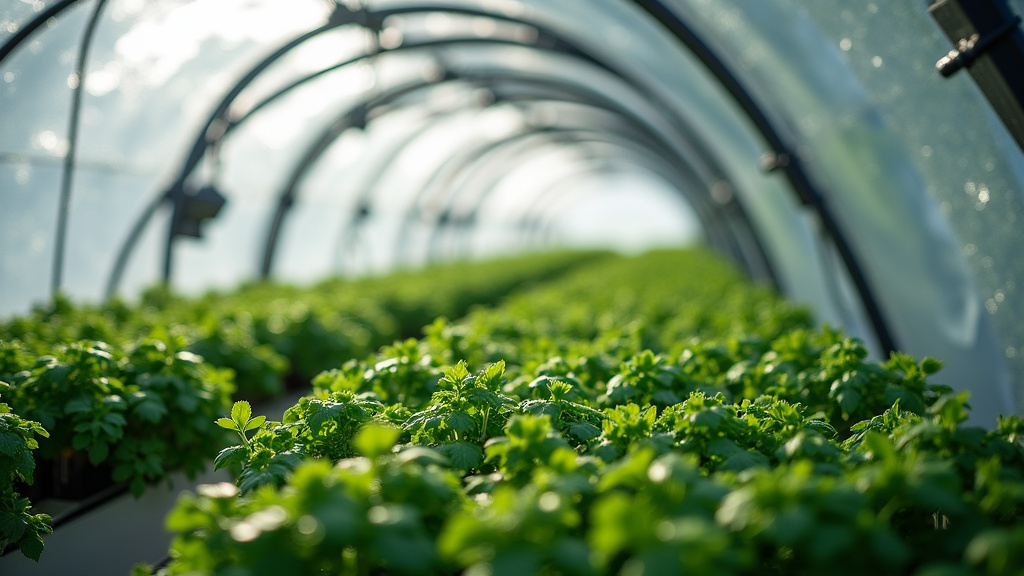
The ideal humidity level isn’t static. It changes depending on what stage your plants are in. What works for a seedling won’t work for a plant in full flower.
Seedling and Clone Stage
Young plants and clones love higher humidity. They don’t have a fully developed root system yet. Higher humidity helps them absorb water through their leaves. Aim for a range of 60-70% humidity during this phase. A humidity dome can help you achieve this in a small area.
Vegetative Stage
As plants grow, they can handle slightly lower humidity. This is when they start developing more leaves and stems. The typical target range for the vegetative stage is 40-60% humidity. This encourages strong growth.
Flowering Stage
This is the most critical stage for humidity control. As buds begin to form, they become very susceptible to mold and bud rot. You need to bring the humidity down. For most flowering plants, aim for 40-50% humidity. Some growers even drop it to 35% in the final weeks.
The Importance of Air Exchange During Flowering
During flowering, you need excellent air exchange. Stale, humid air is the enemy of dense buds. Your exhaust fan is vital here. Ensure it’s running frequently enough to replace the air in your tent. This keeps the air fresh and helps prevent mold on your developing flowers.
Troubleshooting Common Humidity Issues
Sometimes, despite your best efforts, you’ll still face humidity challenges. Don’t get discouraged. We’ve all been there!
Humidity Spikes After Watering
It’s normal for humidity to jump after you water your plants. This is because the water evaporates from the soil. The best approach here is to let your dehumidifier and fans do their job. You might need to increase fan speed temporarily or ensure your dehumidifier is set to a lower target. Check your hygrometer and let the system work.
Dehumidifier Not Running or Working Properly
If your dehumidifier seems to be off, check if it’s plugged in and powered on. Is the water tank full? If it has an auto-shutoff, it might just need emptying. If it’s not collecting water at all, it could be a sign of a malfunction. Ensure the room temperature isn’t too cold, as some dehumidifiers don’t work well below 65°F (18°C).
Persistent Mold or Mildew Issues
If you’re still seeing mold, you might need to take more drastic steps. Ensure your air filters are clean and your exhaust fan is strong enough. You may need to increase the frequency of air exchange. Sometimes, physically removing affected leaves or areas is necessary. Good sanitation practices are key to preventing recurrence.
Your Grow Tent Humidity Control Checklist
- Use a hygrometer to track humidity levels accurately.
- Choose a dehumidifier sized for your tent.
- Ensure adequate ventilation with intake and exhaust fans.
- Seal your tent to prevent outside air intrusion.
- Adjust humidity based on your plants’ growth stage.
- Empty water tanks or use a continuous drain.
Conclusion
You’ve now got a solid game plan for mastering your grow tent’s humidity. Remember, keeping that moisture in check is vital for preventing mold and ensuring healthy plant development. By combining the right dehumidifier, smart ventilation, and a well-sealed tent, you create the ideal environment. Always monitor your levels and adjust your strategy based on your plants’ needs during each growth stage. Your next step is to implement these tips consistently, and you’ll be well on your way to a thriving, mold-free grow.
Frequently Asked Questions
How often should I empty my dehumidifier’s water tank?
This depends entirely on your tent size, the dehumidifier’s capacity, and how humid your tent is. For smaller tents, you might need to empty it daily. Using a continuous drain option eliminates this chore and is highly recommended for consistent humidity control.
Can I use a small space heater to reduce humidity?
While heat can lower relative humidity, it’s not an effective or safe solution for grow tents. Heat can stress your plants, especially during flowering, and increases the risk of pests and heat-related issues. A dedicated dehumidifier is the proper tool for the job.
What should I do if my dehumidifier makes the tent too cold?
Some dehumidifiers can slightly cool the air they exhaust. If this becomes an issue, try placing the dehumidifier on a small stand to allow better airflow around it. You can also position it so the exhaust air doesn’t directly blow on your plants or critical equipment.
Is it okay for humidity to be higher at night?
It’s generally best to keep your humidity levels as consistent as possible, even at night. While some fluctuations are natural, major spikes can still encourage mold. Stick to your target ranges for each growth stage, day or night, for the most stable environment.
How can I tell if my grow tent is properly sealed?
Check for any visible gaps or light leaks around the seams, zippers, and vents. You might feel a draft of air escaping or entering. Some growers use a little smoke or mist from an incense stick to see where air is moving in or out, indicating an area that needs sealing.