
How to Dehumidify a Home Gym?
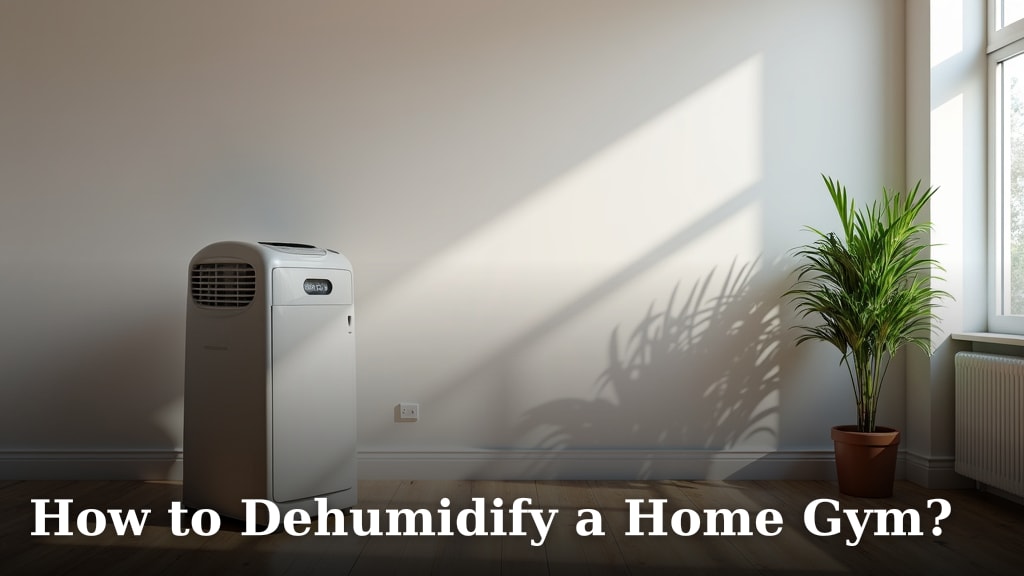
The best way to dehumidify a home gym is to use a portable dehumidifier. This will effectively remove excess moisture, preventing that musty smell and protecting your equipment from damage. A well-dehumidified space makes your workouts more comfortable and your gear last longer. It’s a simple fix for a common home gym problem.
Excess humidity in your home gym can lead to a few unpleasant issues. Think about sticky equipment, mildew on your mats, and an overall stuffy atmosphere. This moisture can also be bad for your electronics and metal equipment, leading to rust or even electrical shorts. Keeping humidity in check is key for a clean, safe, and enjoyable workout environment.
TL;DR:
- Use a portable dehumidifier.
- It removes moisture and prevents smells.
- Protects your gym equipment from damage.
- Creates a more comfortable workout space.
Ready to tackle that damp air? Below, we’ll walk you through the best methods and tips for dehumidifying your home gym effectively.
Keeping Your Home Gym Dry: Effective Dehumidification Strategies
Is your home gym feeling a bit like a sauna after a tough workout? That sticky feeling isn’t just uncomfortable; it’s a sign of excess moisture. This dampness can damage your equipment, create unpleasant odors, and even impact your health. Let’s explore how to tackle this common home gym problem and keep your space feeling fresh and dry.
Understanding the Moisture Problem
When you work out, you sweat. That moisture, along with your breath, adds humidity to the air. In a small, enclosed space like a home gym, this can quickly raise the humidity levels. Think of it like a steamy bathroom after a shower—everything feels damp.
Why Humidity is Your Gym’s Enemy
High humidity can be a real workout killer. It makes the air feel heavy and harder to breathe. Your equipment suffers too. Metal parts can start to rust, especially weights and frames. Electronics, like treadmills or sound systems, are also vulnerable to moisture damage. And let’s not forget the musty smell that comes with mildew and mold growth. Nobody wants to work out in a space that smells like a damp basement, right? Keeping humidity between 30% and 50% is ideal for comfort and equipment longevity (Environmental Protection Agency). A dehumidifier is essential for preventing mold growth, which can damage equipment and create odors.
The Power of Portable Dehumidifiers
A portable dehumidifier is your best friend in the fight against gym humidity. These units are designed to pull moisture directly from the air. They are relatively inexpensive and easy to use, making them a fantastic solution for home gyms.
Choosing the Right Dehumidifier
When selecting a dehumidifier, consider the size of your home gym. Most manufacturers provide coverage areas. For a typical home gym, a unit designed for a medium-sized room should suffice. Look for features like an auto-shutoff when the water tank is full and a continuous drain option if you plan to run it for extended periods. Some units even have built-in humidistats, allowing you to set your desired humidity level. This is a game-changer for maintaining a consistent environment. When selecting a dehumidifier, consult our guide on how big a dehumidifier needs to be to ensure it’s properly sized for your space.
Where to Place Your Dehumidifier
Placement matters. Position your dehumidifier in a central location in your gym. Ensure there’s good airflow around the unit. Avoid tucking it away in a corner or behind bulky equipment. You want it to pull moisture from the entire room, not just one spot. Keep it away from walls to allow for proper ventilation.
Maintaining Your Dehumidifier
Regular maintenance ensures your dehumidifier runs efficiently. Empty the water tank regularly, or set up the continuous drain. Clean the air filter according to the manufacturer’s instructions, usually every few weeks. A clogged filter reduces the unit’s effectiveness and can shorten its lifespan.
Ventilation: The Natural Approach
While dehumidifiers are powerful tools, good old-fashioned ventilation can also help manage moisture. It’s a simple and often overlooked method.
Open Windows and Doors
If the weather permits, opening windows and doors can significantly reduce humidity. This allows moist indoor air to escape and drier outdoor air to enter. Aim to do this after your workout or during times of lower outdoor humidity. It’s a great way to air out the space naturally.
Using Fans for Air Circulation
Fans don’t remove moisture, but they do help circulate the air. This prevents pockets of stagnant, humid air from forming. A ceiling fan or a simple oscillating fan can make a big difference. Better air movement helps your dehumidifier work more effectively by distributing the humid air evenly throughout the room.
Other Moisture-Reducing Tips
Beyond dehumidifiers and ventilation, a few other practices can help keep your gym dry and fresh.
Wipe Down Equipment and Surfaces
After each workout, take a moment to wipe down your equipment and any damp surfaces. Use a clean towel to remove sweat and condensation. This simple step prevents moisture from lingering and contributing to the overall humidity.
Control Ambient Temperature
Keeping your gym at a moderate temperature can help. Extremely high temperatures can increase evaporation, leading to more moisture in the air. Conversely, very cold air can hold less moisture, but when it warms up, it can feel damp if not managed. Finding a comfortable, stable temperature is key.
Check for Leaks or Water Sources
It sounds basic, but double-check for any hidden moisture sources. Are there any leaky pipes nearby? Is your gym located in an area prone to basement dampness? Addressing these underlying issues is critical for long-term humidity control.
When to Consider Professional Help
If you’ve tried these methods and your home gym is still persistently damp, it might be time to look for bigger issues. Persistent dampness could indicate a larger problem with your home’s insulation or ventilation system. In such cases, consulting a professional contractor or a specialist in home moisture control could be beneficial.
Your Home Gym Dehumidification Checklist
Here’s a quick rundown to ensure your home gym stays dry and comfortable:
- Invest in a portable dehumidifier sized for your space.
- Place the dehumidifier in a central location with good airflow.
- Empty the water tank or use a drain hose regularly.
- Clean your dehumidifier’s filter monthly.
- Open windows for ventilation when weather permits.
- Wipe down equipment and surfaces after each workout.
Conclusion
You’ve learned how to keep your home gym comfortably dry. By using a portable dehumidifier and employing smart ventilation, you can protect your equipment and enhance your workouts. Remember to choose the right unit, place it wisely, and maintain it regularly. Even simple steps like wiping down equipment make a big difference. Don’t let humidity ruin your fitness space. Take action today and invest in a drier, more pleasant workout environment for yourself.
Frequently Asked Questions
How often should I empty my dehumidifier’s water tank?
You should empty the water tank whenever it’s full, which could be daily or every few days depending on humidity levels. Many models have an indicator light to let you know. Consider using a continuous drain hose if you don’t want to empty it manually.
Can a dehumidifier help with gym odors?
Yes, a dehumidifier can significantly reduce gym odors. High humidity often leads to mold and mildew growth, which are the primary causes of musty smells. By removing excess moisture, you prevent these odor-causing culprits from developing.
What’s the ideal humidity level for a home gym?
The ideal humidity range for a home gym is between 30% and 50%. Keeping it within this range prevents excessive sweat buildup, protects your equipment from rust and damage, and makes the air feel more comfortable for breathing during exercise.
Are there any downsides to running a dehumidifier constantly?
Running a dehumidifier constantly is generally fine, but it does use electricity, adding to your energy bill. If you over-dry the air (below 30% humidity), it can make your skin feel dry and potentially irritate your throat. Using a model with a built-in humidistat helps prevent this.
Can I use my regular home dehumidifier in the gym?
Yes, you can use a dehumidifier designed for general home use in your gym space. Just make sure it’s appropriately sized for the square footage of your gym. Portable units are often ideal because they can be moved and placed strategically where you need them most.
