
What Humidity Level Is Best for a Home Gym?

For your home gym, the ideal humidity level is generally between 40% and 60%. This range helps keep your equipment in good shape and makes your workouts more comfortable. Too much or too little humidity can cause problems.
Maintaining the right moisture balance is key for preventing issues like rust on metal equipment and mold growth on fabrics. It also impacts how your body feels during exercise, affecting breathability and comfort. Many sources suggest this sweet spot for home gym environments.
TL;DR:
- Best humidity for home gyms: 40% to 60%.
- Why it matters: Protects equipment from rust and mold.
- Comfort: Makes workouts more pleasant.
- Too high: Can lead to mold and dampness.
- Too low: Can dry out wood and electronics.
Below, we’ll break down exactly why this humidity range is so important for your home gym and how you can achieve it. Our guide to the best humidity setting for a basement can offer additional insights.
Finding the Sweet Spot: Optimal Humidity for Your Home Gym
Many fitness enthusiasts wonder about the ideal humidity level for their home gym. We found that the **generally recommended range is between 40% and 60%**. This sweet spot helps protect your gear and ensures a comfortable workout experience for you.
But why is this specific range so important? Let’s break down what happens when humidity goes too high or too low in your workout space.
The Impact of Humidity on Your Home Gym Equipment
Your home gym equipment often contains various materials. These can include metal, wood, and electronics. Humidity levels can significantly affect their longevity and performance.
Too Much Humidity: The Damp Dilemma
When the air is too moist, problems can start to creep in. Think of it like leaving damp towels out too long. That’s essentially what can happen to your equipment if humidity levels consistently exceed 60%.
Rust and Corrosion
Metal components are particularly vulnerable. High humidity creates condensation. This condensation can lead to rust on free weights, cardio machine frames, and even small parts like screws and bolts. We found that even seemingly minor rust can weaken metal over time.
Mold and Mildew Growth
Fabric elements, like upholstery on benches or yoga mats, are magnets for moisture. This creates an environment where mold and mildew thrive. Not only is this unsightly, but it can also release spores into the air, affecting air quality. This can be a real concern for your respiratory health.
Wood Damage
If your home gym includes any wooden elements, like plyometric boxes or flooring, high humidity can cause them to swell. This can lead to warping or separation of wood pieces. It’s a gradual process, but one that can seriously damage your gear.
Too Little Humidity: The Dry Spell
On the flip side, excessively dry air (below 40%) can also cause issues, though perhaps less commonly discussed for home gyms.
Drying Out Materials
Wood can become dry and brittle in low humidity. This can lead to cracking or splitting. Think of old wooden furniture left in a desert environment – not ideal for your equipment!
Electronic Malfunctions
Some electronic components in treadmills, smart bikes, or display panels can be affected by very low humidity. Static electricity increases in dry conditions. This can potentially lead to minor shocks or, in rare cases, damage sensitive circuits. We found that electronic manufacturers often recommend specific humidity ranges for their devices.
Discomfort During Workouts
While not directly equipment damage, very dry air can make your workouts feel less pleasant. It can dry out your nasal passages and throat, making it harder to breathe deeply. This can make cardio sessions feel more taxing than they need to be.
Why the 40%-60% Range is Just Right
So, why do experts and manufacturers converge on that 40% to 60% humidity range? It’s all about balance. This sweet spot minimizes the risks associated with both excessive dryness and dampness.
Protecting Your Investment
Your home gym is an investment in your health. Maintaining the correct humidity helps ensure that investment lasts. It prevents premature wear and tear on everything from your barbells to your Bluetooth speaker.
Creating a Comfortable Workout Environment
Beyond equipment, humidity affects your personal comfort. In the 40%-60% range, the air feels pleasant. It allows your body to regulate temperature effectively through sweat. Too humid, and sweat doesn’t evaporate well, leaving you feeling sticky and overheated. Too dry, and you might feel a bit parched.
Optimizing Air Quality
This humidity level also discourages the growth of dust mites and certain types of mold. This can contribute to better air quality in your dedicated workout space. We found that good air quality is often linked to better workout performance and overall well-being.
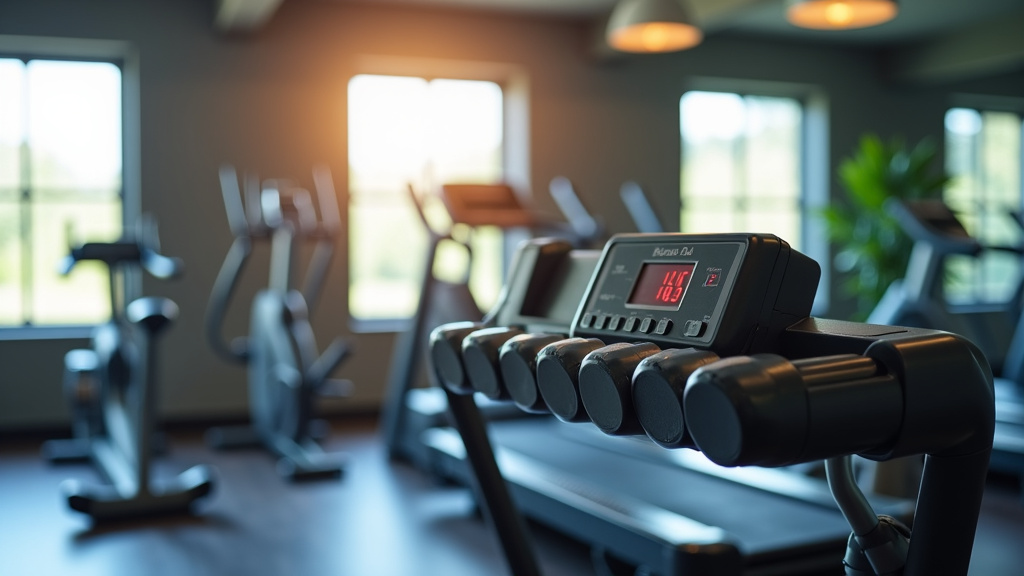
How to Measure and Control Home Gym Humidity
Now that you know the ideal range, how do you achieve and maintain it? It’s often simpler than you might think.
Measuring Humidity: Get a Hygrometer
The first step is to know your current levels. You’ll need a hygrometer. These are small, affordable devices that measure relative humidity. Many digital thermometers also include a hygrometer. You can find them easily online or at hardware stores. Place it in the area where you work out, away from direct sunlight or heating vents, for the most accurate reading.
Controlling Humidity: Dehumidifiers and Humidifiers
Based on your readings, you might need to adjust the humidity.
If Your Gym is Too Humid (Above 60%)
You’ll likely need a dehumidifier. These devices pull excess moisture from the air. Small, portable dehumidifiers work well for a single room or basement gym. Make sure to empty the water collection tank regularly. We found that running a dehumidifier for a few hours a day can make a noticeable difference.
If Your Gym is Too Dry (Below 40%)
You might need a humidifier. These devices add moisture back into the air. Again, portable units are great for a home gym space. Be mindful of over-humidifying, which can lead to the problems mentioned earlier. It’s a balancing act!
Ventilation: Your First Line of Defense
Good ventilation is key, regardless of your humidity levels. Open windows when weather permits to allow fresh air circulation. If your gym is in a basement, consider a small fan to keep air moving. Proper airflow helps prevent moisture buildup and keeps the air feeling fresh.
Quick Tips for Maintaining Optimal Humidity: A Checklist
Here’s a quick rundown to keep your home gym in tip-top shape:
- Get a Hygrometer: Know your numbers first.
- Invest in a Dehumidifier: If your gym is consistently damp.
- Consider a Humidifier: For excessively dry environments.
- Ventilate Regularly: Open windows or use fans.
- Monitor Equipment: Look for signs of rust or mold.
- Adjust as Needed: Humidity can change with seasons.
By taking these simple steps, you can create and maintain an environment that’s perfect for both you and your home gym equipment. This ensures your workouts are always comfortable and your gear stays in excellent condition for years to come.
Conclusion
You’ve learned that the sweet spot for your home gym’s humidity is between 40% and 60%. This range is key for protecting your equipment from rust and mold, and for making your workouts feel more comfortable. Too much moisture can damage wood and electronics, while too little can dry out materials. By using a hygrometer to measure your levels and a dehumidifier or humidifier as needed, you can easily maintain this ideal environment. Don’t forget that good ventilation is your best friend in this process.
Your next step is simple: grab a hygrometer and check your home gym’s current humidity. Knowing your starting point is the easiest way to make informed adjustments and ensure your workout space stays perfect for years to come.
Frequently Asked Questions
What happens if my home gym is too humid all the time?
Consistently high humidity above 60% can cause metal equipment to rust and develop corrosion. Fabrics like upholstery or mats can become breeding grounds for mold and mildew, impacting air quality. Wooden equipment might swell and warp over time.
Can dry air damage my home gym equipment?
Yes, excessively dry air below 40% can cause wooden components to crack or split. Sensitive electronics in machines like treadmills or smart bikes could potentially be affected by increased static electricity.
How often should I check the humidity in my home gym?
It’s a good practice to check your humidity levels at least once a week, especially when the seasons change. You might find yourself needing to adjust your dehumidifier or humidifier settings more frequently during certain times of the year.
Is ventilation enough to control humidity in my home gym?
Ventilation is a great first step and helps a lot, but it might not be enough on its own. If your gym is in a naturally damp area like a basement, or if you live in a very humid climate, you will likely need to supplement with a dehumidifier.
Where is the best place to put a hygrometer in my home gym?
Place your hygrometer in the main area where you exercise, away from windows, doors, or heating vents. This will give you the most accurate reading of the ambient humidity levels in your workout space.
