
How Many Litres Dehumidifier Do I Need?
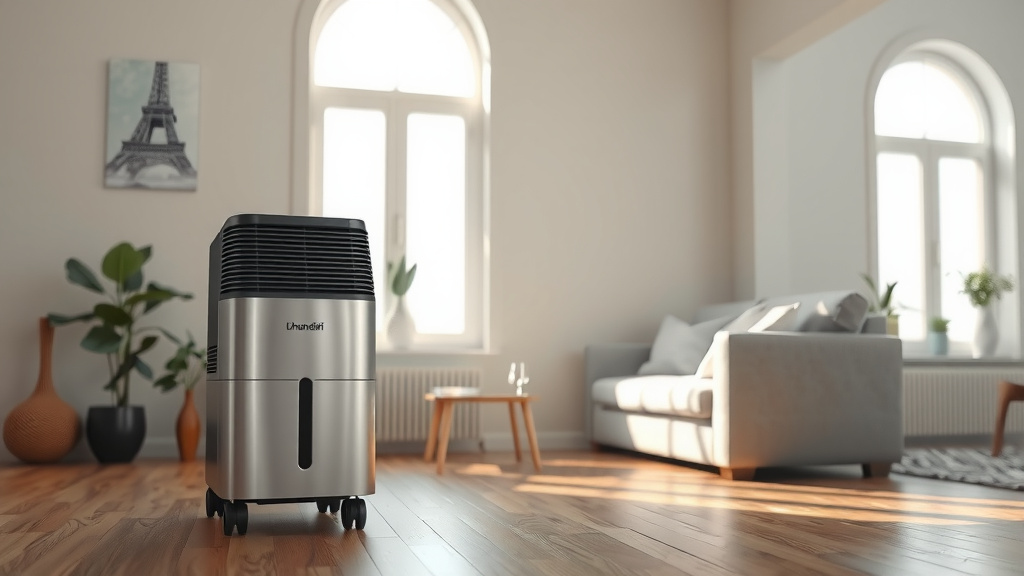
To determine how many litres a dehumidifier you need, first measure your room’s square footage and assess its current dampness. A small, slightly damp room might need a 10-12 litre unit, while a very damp basement or large area could require a 50-litre or larger dehumidifier.
Your ideal dehumidifier size depends mainly on the area’s size and how much moisture it currently holds. Bigger, wetter spaces always demand units with higher litre capacities to effectively remove humidity.
- TL;DR: The right dehumidifier size largely depends on your room’s square footage and existing moisture level.
- For small, slightly damp rooms, a 10-12 litre unit is often enough to feel comfortable.
- Medium-sized spaces with noticeable dampness might benefit from a 20-30 litre model.
- Very damp or large areas, like basements, often need 40-50 litre units for effective moisture removal.
- Consider factors like extreme humidity, water damage, or open-plan areas that may require a larger capacity.
How Many Litres Dehumidifier Do I Need?
Figuring out the right dehumidifier size can feel a bit like a guessing game, can’t it? Many people just pick one off the shelf and hope for the best. But getting the correct “litres per day” rating is super important for comfort and efficiency in your home.
You want a unit that works effectively without running constantly or costing a fortune in electricity. This guide will walk you through finding your perfect match, making your air feel fresh and dry.
Why Does Dehumidifier Size Matter So Much?
Imagine trying to bail out a leaky boat with a teacup. You’d be working all day and still soaking wet! That’s exactly what happens when you pick a dehumidifier that’s too small for your space. It struggles, uses more energy, and never quite gets the job done.
On the flip side, an oversized unit might dry the air too quickly, leading to discomfort or unnecessary energy use. We want that sweet spot, the one that makes your home feel just right.
Key Factors to Consider for Dehumidifier Sizing
When you’re trying to figure out the perfect size, think about two main things. First, how big is the area you want to dehumidify? Second, how damp does it feel right now? These two questions will guide your decision-making process.
Room Size: The Square Footage Rule
This is your starting point. You wouldn’t buy a tiny air conditioner for a huge living room, would you? Dehumidifiers are similar. Grab a measuring tape or use your home’s blueprints to find the square footage of the room or area. Many experts suggest this is the most critical initial step.
A small bedroom will have very different needs than a large open-plan living space or a sprawling basement. Write down your room measurements; it’s a helpful reference.
Current Dampness Level: How Wet Is It?
Beyond size, how much moisture is floating around? This “dampness” factor is a game-changer. Is it just a little muggy, or does it feel like you’re walking into a swamp? Be honest with yourself about the situation.
A room that’s just a bit humid after a shower is different from a basement with standing water or visible mold. Your dehumidifier needs to be powerful enough to tackle existing moisture issues.
- Slightly Damp: The air feels heavy, maybe a little clammy.
- Moderately Damp: You notice a musty smell, some damp spots, or condensation on windows.
- Very Damp: Visible mold growth, water stains, or a consistently wet feeling.
- Extremely Damp: Water leaks, flooding, or major structural dampness.
Understanding “Litres Per Day” Ratings
Dehumidifiers are rated by how many litres of water they can remove from the air in a 24-hour period. This “litres per day” (L/day) rating is what we’re talking about when we discuss size. A higher number means a more powerful unit.
It’s like comparing a small bucket to a large one. The bigger bucket can hold and remove more water from your home, keeping the air drier. This rating helps you pick a unit that can handle your specific moisture challenge.
Dehumidifier Sizing Chart: Find Your Match
This table offers a general guideline based on room size and dampness. Remember, these are starting points, and you might need to adjust based on factors like climate or number of occupants. We’ve found this kind of chart to be really helpful for quick reference.
| Room Size (Sq Ft) | Slightly Damp (Litres/Day) | Moderately Damp (Litres/Day) | Very Damp (Litres/Day) |
|---|---|---|---|
| Up to 500 sq ft | 10-12 L | 14-16 L | 18-20 L |
| 500-1000 sq ft | 16-18 L | 20-25 L | 30-35 L |
| 1000-1500 sq ft | 20-25 L | 30-35 L | 40-45 L |
| 1500-2000 sq ft | 25-30 L | 35-40 L | 50+ L |
| Above 2000 sq ft | 30-40 L | 40-50 L | Whole-house unit |
Special Considerations for Your Dehumidifier
Sometimes, your space has unique needs that push you toward a larger or different type of dehumidifier. These little details can make a big difference in overall performance.
Basements and Crawl Spaces
These areas are notorious for dampness. They often lack good ventilation and are prone to leaks. If you’re dealing with a basement, always lean towards a larger capacity dehumidifier than you might for an above-ground living space. Many experts agree that basements almost always need more powerful units.
Open-Plan Living Areas
If your kitchen flows into your dining room, which then opens into your living room, you’re essentially dealing with one very large space. Don’t size your dehumidifier for just one section. You need a unit that can handle the combined square footage of these connected zones.
Climate and Extreme Humidity
Do you live in a naturally humid climate? Are your summers incredibly muggy? If so, you might want to bump up the dehumidifier’s capacity by 5-10 litres. Your unit will work harder, so giving it extra power upfront means it won’t be constantly struggling to keep up. Research often connects regional humidity levels with the need for larger capacity units (National Weather Service).
Number of Occupants and Activities
More people in a home means more moisture being released into the air. Showers, cooking, and even breathing all contribute. If you have a large family or frequently host guests, that adds to the humidity burden. Also, activities like drying laundry indoors will require more robust moisture removal.
Checklist for Choosing Your Dehumidifier Size
Before you make that final purchase, quickly run through this checklist. It will help ensure you’ve considered all the important elements for a successful choice.
- Did you measure the room’s square footage accurately?
- Have you honestly assessed the current dampness level (mild, moderate, very)?
- Is the area a basement or crawl space? (Add extra capacity if so).
- Is it an open-plan area requiring a larger coverage?
- Do you live in a very humid climate? (Consider a slight bump in capacity).
- Are there more than 2-3 people in the household regularly?
Benefits of the Right-Sized Dehumidifier
Choosing the correct capacity brings a host of benefits beyond just drier air. You’ll find your home becomes a much more comfortable and healthier place to live. Many guidelines point to proper humidity control for overall well-being (Mayo Clinic).
You’ll enjoy cleaner air, fewer allergens like dust mites and mold, and a general feeling of freshness. Plus, your furniture and electronics will thank you, as excessive moisture can cause damage over time.
Conclusion
Selecting the right dehumidifier size doesn’t have to be complicated. By carefully considering your room’s size and its current dampness level, you’re well on your way to a more comfortable home. Remember to use our chart as a guide and account for any special circumstances like basements or very humid climates.
A properly sized unit will work efficiently, save you money on energy bills, and keep your indoor air quality at its best. Taking the time to get this right will lead to lasting comfort and a healthier living environment for you and your family.
What happens if my dehumidifier is too small?
If your dehumidifier is too small, it will run constantly without effectively reducing the humidity to comfortable levels. This leads to higher energy bills, a shorter lifespan for the unit, and persistent dampness, musty smells, or mold growth in your home.
Should I get a dehumidifier bigger than I think I need?
Yes, in many cases, it’s wise to get a slightly larger dehumidifier than you initially calculate, especially if you live in a very humid climate, have a basement, or notice significant dampness. A slightly oversized unit can handle peak humidity more effectively and run less often, saving energy in the long run.
How do I know if my dehumidifier is working correctly?
You can tell your dehumidifier is working if you notice water collecting in the reservoir, the air feels less humid and lighter, and musty odors begin to disappear. Using a hygrometer (humidity monitor) to check that your indoor humidity levels are consistently between 40-60% is the most accurate way.
Can a dehumidifier be too big for a room?
Yes, a dehumidifier can be too big. An oversized unit might dry the air too quickly, making the air feel overly dry and uncomfortable. It could also cycle on and off more frequently, which can be less energy-efficient and potentially shorten the unit’s lifespan.
Where is the best place to put a dehumidifier in a room?
The best place to put a dehumidifier is in the center of the dampest room, away from walls and furniture, to allow for optimal airflow. Avoid placing it near vents, open windows, or doorways, as this can reduce its efficiency by drawing in more humid air from outside or other areas.
