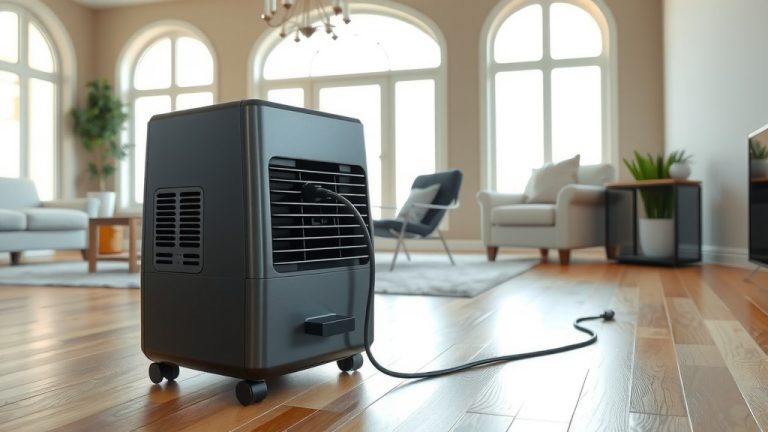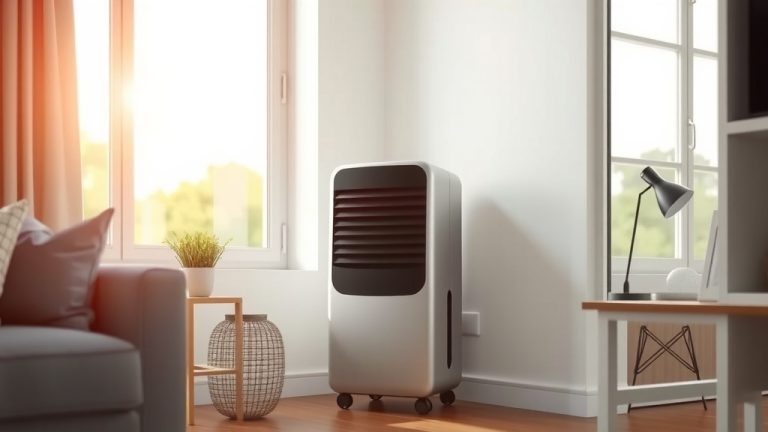
Is It Safe to Leave a Dehumidifier on Unattended?
Yes, it is generally safe to leave a dehumidifier on unattended, but with some important conditions. You need to ensure your unit is in good working order and you follow the manufacturer’s safety guidelines. This helps prevent fire hazards and water damage.
Many homeowners rely on dehumidifiers to manage indoor humidity levels, even when they’re away. We found that modern dehumidifiers include safety features like automatic shut-off. This can greatly reduce risks, especially for continuous operation.
- You can leave most dehumidifiers on unattended.
- Always check your unit’s safety features and condition.
- Empty the water tank regularly or use a drain hose.
- Proper maintenance prevents fire and water damage.
- Unplug it if you’ll be gone for a long time.
Let’s walk through everything you need to know about leaving your dehumidifier running safely.
Understanding Dehumidifier Safety When Unattended
Leaving your dehumidifier running when you’re not around is generally safe, provided you take a few precautions. We’ve looked into this common concern, and the key is understanding your unit’s features and your home’s setup.
Most modern dehumidifiers are built with safety in mind. They include features that help prevent many of the worries people have. Think of these units like a well-behaved house guest; they usually do fine on their own, but a little preparation goes a long way.
Modern Dehumidifier Safety Features
What makes today’s dehumidifiers safer than older models? A big part of it is the technology inside. We found several built-in features designed to keep your home safe even when you’re out.
Automatic Shut-Off Mechanisms
This is perhaps the most important safety feature. Most dehumidifiers will automatically turn off when the water reservoir is full. This prevents messy and potentially damaging overflows. It’s like a smart little sensor telling the machine, “Okay, break time!”
Many also have an automatic shut-off if the unit overheats. This is a critical feature that helps prevent fire hazards, which we know is a big concern for many homeowners. We found that these features are standard in most reputable brands.
Continuous Drainage Options
If you’re worried about emptying the water tank, good news! Most dehumidifiers offer a continuous drainage option. This means you can connect a hose directly to a drain, like a floor drain or a sink. This way, the water never collects in the tank.
This feature is a game-changer for unattended operation. It allows your dehumidifier to run without interruption, pulling moisture out of the air all day long. Just make sure the hose is securely connected and the drain isn’t blocked.
Timers and Smart Controls
Many dehumidifiers come with programmable timers. You can set them to run for a specific number of hours or to turn on and off at certain times. This gives you greater control, even when you’re not home.
Some newer models even offer smart controls, letting you manage the unit from your phone. Imagine checking your home’s humidity levels from anywhere! These features add convenience and an extra layer of peace of mind.
Potential Risks and How to Mitigate Them
Even with advanced safety features, it’s wise to be aware of potential risks. Nothing is 100% foolproof, and knowing what to look for can prevent problems. We want you to feel secure, not just hope for the best.
Fire Hazards
When you hear about appliances causing fires, it’s natural to worry. For dehumidifiers, fire risks are generally low, but they do exist, especially with older or damaged units. We found that the main culprits are often electrical issues.
Overheating and Electrical Issues
An old or faulty unit can sometimes overheat. This can happen if the internal components are damaged or if the motor is working too hard. Always make sure your dehumidifier is well-maintained and free from dust buildup (Consumer Reports).
Check the power cord regularly for fraying or damage. Never use an extension cord with a dehumidifier, as they can overheat and pose a fire risk. Plug the unit directly into a wall outlet.
You might ask, “How often should I check my unit?” We recommend a quick visual inspection every few months, especially before continuous use periods. Look for anything that seems off, like strange noises or smells.
Water Damage
Water damage is another concern, particularly if the automatic shut-off fails or the drain hose becomes disconnected. A small leak can turn into a big problem if left unchecked.
Overflowing Water Tanks
While auto shut-off usually prevents this, a faulty sensor could lead to an overflowing tank. If you’re relying on the tank, it’s important to empty it frequently, especially in very humid conditions.
Consider placing your dehumidifier on a tray or in an area where a small spill won’t cause major damage, just in case. Basements with concrete floors are often ideal spots for this reason.
Leaky Hoses or Connections
If you’re using a continuous drain hose, double-check all connections before you leave. A loose hose can send water spilling onto your floor, leading to potential mold growth and structural damage.
We’ve heard stories where a hose got accidentally kicked or dislodged. Make sure it’s secured and running downhill to a proper drain. Gravity is your friend here!
Best Practices for Unattended Dehumidifier Operation
To truly maximize safety and efficiency, there are several best practices you should follow. These tips come from looking at many expert recommendations and user experiences. They help turn potential worries into peace of mind.
Pre-Departure Checklist
Before you leave your dehumidifier running alone, run through this quick checklist. It takes just a few minutes and can save you a lot of hassle later.
- Check the power cord: Is it free from damage and plugged directly into the wall?
- Inspect the filter: Is it clean? A dirty filter makes the unit work harder and can cause overheating.
- Verify water drainage: Is the tank empty, or is the continuous drain hose securely attached and flowing freely?
- Clear surrounding area: Is there at least 6-12 inches of space around the unit for proper airflow?
- Listen for unusual sounds: Does the unit sound normal, or are there any strange noises?
- Test auto shut-off (optional): If time permits, fill the tank to see if it shuts off as expected.
Regular Maintenance is Key
Just like your car needs oil changes, your dehumidifier needs a little TLC. Regular maintenance significantly reduces risks and extends the life of your unit.
Clean the air filter at least once a month, or more often if you live in a dusty environment. A clogged filter restricts airflow, forcing the motor to work harder, which can lead to overheating and reduced efficiency (EPA recommendations).
Periodically clean the water bucket to prevent mold and mildew growth. A simple wash with soap and water works wonders. For continuous drain setups, occasionally check the hose for blockages.
Optimal Placement Considerations
Where you place your dehumidifier matters. Good placement helps it work better and minimizes risks. We often see units tucked away in corners, but that’s not always best.
Always place your dehumidifier on a flat, stable surface. This prevents tipping, which could lead to spills or damage. Keep it away from walls and furniture to ensure proper airflow around the unit. The manufacturer’s manual will usually specify ideal clearances.
Avoid placing it near heat sources like furnaces or vents, as this can confuse its humidity sensor. Also, keep it away from areas where it could be easily bumped or tripped over. Think safety for both the unit and your household members.
When to Unplug Your Dehumidifier
While we’ve established that leaving a dehumidifier on unattended is generally safe, there are times when it’s just better to unplug it. It’s about balancing convenience with ultimate safety.
Extended Absences
Are you going away for a long vacation, say for several weeks or months? If so, we strongly recommend unplugging your dehumidifier. This removes any electrical risk entirely. Why leave an appliance running if you’re not there to quickly address a rare issue?
This is a common sense approach. When you’re away for a long time, there’s no one to monitor anything that might go wrong, however unlikely. Better safe than sorry, right?
Power Outages or Storms
If a storm is approaching or if you know there’s a risk of power outages, it’s a good idea to unplug your dehumidifier. Power surges, which can happen when electricity returns after an outage, can damage appliances.
Unplugging protects your unit from potential electrical damage. It’s a simple step that can save you money on repairs or replacements down the line. Plus, you won’t have to worry about it restarting unexpectedly.
| Scenario | Recommendation | Reasoning |
|---|---|---|
| Short Absence (e.g., workday) | Generally safe to leave on | Modern units have safety features; short time for issues to escalate. |
| Overnight Use | Safe if well-maintained & checked | Ensure tank is empty or continuous drain is active; check before bed. |
| Extended Vacation (1+ week) | Unplug Recommended | Eliminates all electrical risk; no one to monitor for rare issues. |
| Impending Storms / Outages | Unplug Recommended | Protects from power surges; prevents unexpected restarts. |
| Old / Damaged Unit | Unplug Always | Higher risk of electrical failure or overheating; consider replacement. |
Conclusion
You now know that leaving your dehumidifier on unattended is generally safe, provided you take a few simple steps. Modern units have features like auto shut-off and continuous drainage that greatly reduce risk. Remember, proper maintenance and placement are your best defenses against potential issues. Always check cords, clean filters, and ensure proper drainage, especially before extended use. For long absences or during storms, it’s always best to unplug your unit completely. By following these guidelines, you can confidently maintain comfortable humidity levels in your home, even when you’re not there.
Frequently Asked Questions
Is it okay to leave a dehumidifier running all night?
Yes, it’s generally safe to leave a well-maintained dehumidifier running overnight. Just make sure its water tank is empty or that the continuous drain feature is working correctly. Check its placement to ensure proper airflow and prevent tripping hazards in the dark.
How long can a dehumidifier run continuously?
Many modern dehumidifiers are designed for continuous operation, especially with a direct drain hose setup. They can run for days or even weeks if properly maintained and not needing the water tank emptied. Always refer to your specific model’s manual for its recommended limits.
Can a dehumidifier cause a fire if left unattended?
The risk of a dehumidifier causing a fire is low, especially with newer units that have overheating protection. However, old, damaged, or poorly maintained units can pose a risk due to electrical issues. Always ensure proper ventilation and never use an extension cord.
What happens if a dehumidifier’s water tank overflows?
Most modern dehumidifiers have an automatic shut-off that activates when the water tank is full, preventing overflows. If this feature fails, the tank could overflow, potentially causing water damage to your floors or surrounding items. Placing the unit in a protective tray can help.
Should I turn off my dehumidifier if I leave for vacation?
For extended vacations (more than a week), it’s highly recommended to unplug your dehumidifier. This eliminates all electrical risks and ensures no unexpected issues occur while you’re away. For shorter periods, ensuring proper setup and drainage is usually sufficient.