Do I Need a Dehumidifier for a Finished Basement?
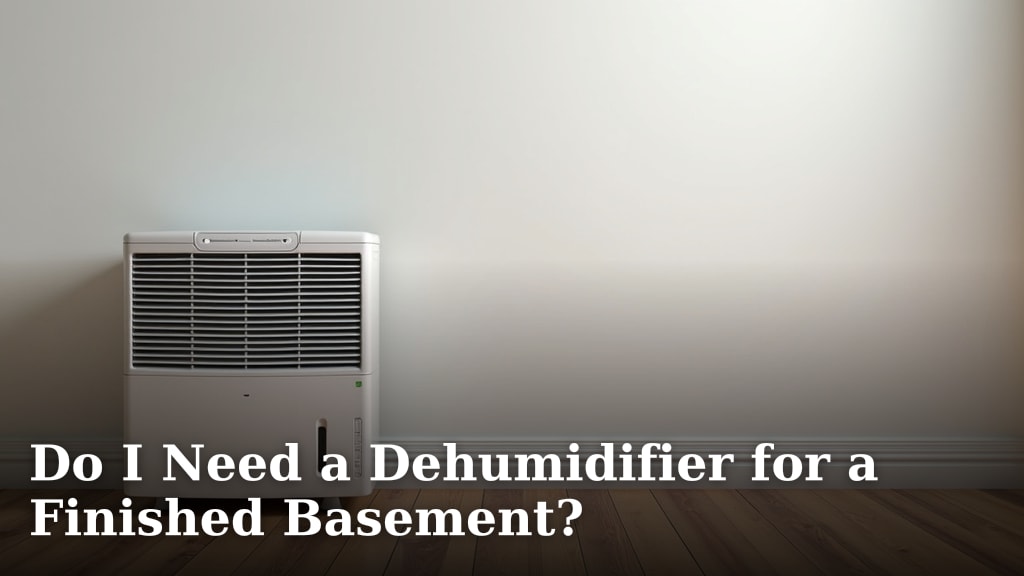
Yes, you likely need a dehumidifier for a finished basement to keep it comfortable and prevent issues. Basements are naturally prone to high humidity levels.
Even a well-finished basement can feel damp or musty without proper moisture control. Managing humidity protects your home and your health. Nobody wants a moldy basement, right?
- Basements are naturally humid.
- Dehumidifiers control moisture.
- Prevent mold and mildew growth.
- Protect belongings from dampness.
- Improve air quality and comfort.
Let’s dive into why a dehumidifier is so important for your finished basement and what to look for when choosing one.
Why Your Finished Basement Needs Humidity Control
You’ve put time and money into making your basement a comfortable, usable space. But even a beautifully finished basement can become a problem area if you ignore humidity levels. Basements are naturally cooler than the rest of your home. This cooler air holds less moisture, leading to higher relative humidity when warm, moist air from upstairs or outside seeps in. It’s a common issue.
Think of it like this: your basement is a cozy cave. Caves are often damp, right? While your basement isn’t a cave, it shares some of the same characteristics that attract moisture. Without proper control, this moisture can lead to a host of unwanted problems that affect both your home and your well-being.
The Science of Basement Humidity
Let’s get a little scientific for a moment, but don’t worry, it’s simple. Warm air carries more moisture than cold air. When that warm, humid air meets the cooler surfaces of your basement walls and floor, it cools down. This cooling causes the moisture to condense, much like dew forming on grass in the morning. This condensation makes your basement feel damp and clammy.
Soil surrounding your basement also plays a role. It often contains moisture, which can naturally migrate through concrete walls and floors. Even if your basement is sealed well, some moisture transfer is almost always happening. This is why keeping an eye on your basement’s humidity is so important for long-term comfort.
Signs Your Finished Basement Has Too Much Moisture
How can you tell if your finished basement is suffering from excess humidity? Your senses are often the first alert system. You might notice a certain smell, or even see visible signs. Ignoring these clues can lead to bigger problems down the road. Let’s look at the common indicators that your basement needs a dehumidifier.
The Dreaded Musty Smell
Have you ever walked into your basement and been hit by a distinctive, earthy odor? That’s the classic “musty basement” smell. This odor isn’t just unpleasant; it’s a strong indicator of mold and mildew growth. These microscopic organisms thrive in damp environments and produce volatile organic compounds (VOCs) that create that characteristic smell.
Even if you can’t see the mold, the smell tells you it’s there, probably hidden behind drywall or under flooring. A persistent musty smell is your basement’s way of telling you, “Hey, I’m too damp down here!” It’s a clear signal that it’s time to consider moisture control solutions.
Visible Mold and Mildew Growth
This one is probably the most obvious sign. If you see black, green, or white fuzzy patches on walls, ceilings, baseboards, or even on your stored items, you have a mold problem. Mildew often appears as a powdery or downy growth. Both are fungi that love moisture and can spread quickly.
Mold not only looks bad but can also damage surfaces and release spores into the air. These spores can trigger allergies and other health issues for sensitive individuals (CDC). Spotting visible mold means your humidity levels have been too high for too long. A dehumidifier can help stop this growth by removing the moisture they need to survive. For comprehensive strategies, consult our guide on how to stop mold growing on walls.
Condensation on Surfaces
Do you notice water droplets or a film of moisture on your basement windows, pipes, or cold surfaces? That’s condensation. It happens when warm, moist air comes into contact with a cooler surface, causing the water vapor to turn back into liquid. It’s similar to how a cold drink “sweats” on a hot day.
Persistent condensation suggests that the air in your basement is holding too much moisture. Over time, this moisture can lead to damage to finishes, wood rot, and even contribute to mold growth. Observing condensation regularly is a strong sign that your finished basement would benefit from a dehumidifier’s work.
Peeling Paint, Warped Wood, or Damaged Floors
High humidity can cause significant structural and aesthetic damage. You might notice paint bubbling or peeling off walls. Wooden trim, doors, or furniture can start to warp, swell, or crack. Hardwood or laminate flooring might buckle or separate. These are all signs that excess moisture is attacking the materials in your basement.
Such damage isn’t just unsightly; it can be costly to repair. Protecting your finished basement from these issues is a big reason to consider a dehumidifier. It helps preserve your investment and keeps your space looking its best. Don’t let your beautiful basement slowly deteriorate due to uncontrolled dampness.
The Benefits of Using a Dehumidifier in Your Finished Basement
So, you’ve identified the signs. Now, let’s talk about the good stuff: what a dehumidifier can do for you. It’s more than just drying the air; it’s about creating a healthier, more comfortable, and longer-lasting living space. The advantages are quite compelling.
Improved Air Quality and Health
One of the most important benefits is better air quality. By reducing humidity, a dehumidifier inhibits the growth of mold, mildew, dust mites, and other allergens. These common basement inhabitants can trigger respiratory problems, allergies, and asthma attacks for many people (NIH). A drier environment means fewer triggers floating around.
You’ll likely notice a difference in how you feel. Less congestion, fewer allergy symptoms, and just an overall feeling of cleaner air. Breathing easier in your own home is a huge quality-of-life improvement For those with respiratory issues, understanding how a dehumidifier can help with asthma can lead to a significant quality-of-life improvement., especially for those sensitive to airborne irritants.
Protecting Your Belongings and Home Structure
Your finished basement is likely filled with furniture, electronics, books, and perhaps even cherished family heirlooms. High humidity is a silent destroyer of these items. Books can get wavy and brittle, electronics can malfunction, and wooden furniture can warp or grow mold. Keeping humidity in check safeguards your investments.
Beyond your personal items, a dehumidifier protects the very structure of your home. It prevents wood rot in framing, protects insulation from becoming saturated, and helps preserve your drywall and flooring. This proactive approach can save you a lot of money and stress on future repairs. It’s an investment in your home’s longevity.
Enhanced Comfort and Energy Efficiency
Ever notice how a humid day feels hotter than a dry day at the same temperature? That’s because moisture in the air makes it harder for your body to cool itself through sweat evaporation. The same applies to your basement. A humid basement feels muggy and uncomfortable, even if the temperature is reasonable.
A dehumidifier removes this excess moisture, making the air feel cooler and more pleasant. This can actually lead to energy savings. When the air is drier, your air conditioning system doesn’t have to work as hard to cool your home, because it’s not also trying to remove moisture. This means your HVAC system runs less, saving you money on utility bills. It’s a win-win for comfort and your wallet.
Choosing the Right Dehumidifier for Your Finished Basement
So you’re convinced. Great! But now you need to pick one. The market offers various types and sizes. Choosing the right one ensures efficient operation and maximum benefit. Consider the size of your basement and the severity of your humidity problem. Don’t just grab the cheapest option; think about your specific needs.
Dehumidifier Types and Capacity
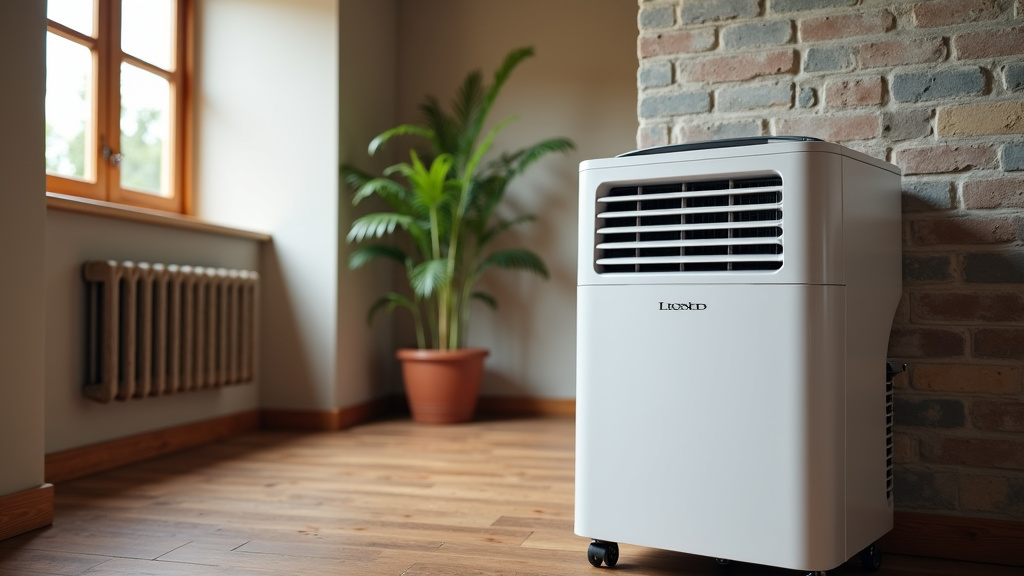
Dehumidifiers are generally rated by the amount of moisture they can remove in a 24-hour period (pints/day). For basements, you’ll typically look at portable units or whole-home systems. Portable units are great for specific areas or if you want flexibility. Whole-home systems integrate with your HVAC and provide more uniform control.
The capacity you need depends on your basement’s size and how damp it typically is. Here’s a general guide for a finished basement (Energy Star):
| Basement Size (sq ft) | Condition | Recommended Capacity (Pints/Day) |
|---|---|---|
| Up to 500 | Slightly damp | 10-14 |
| 500-1000 | Moderately damp | 14-20 |
| 1000-1500 | Very damp | 20-26 |
| 1500-2500 | Wet | 26-32 |
Remember, these are guidelines. If your basement feels like a swamp, aim for the higher end of the range. Consider models with a “low temperature” setting, as basements can get quite cool, and some units struggle in cooler environments.
Key Features to Look For
When shopping, keep an eye out for these features that will make your life easier and your dehumidifier more effective:
- Built-in Humidistat: This allows you to set your desired humidity level, and the unit will turn on and off automatically to maintain it. Aim for 30-50% relative humidity (EPA).
- Continuous Drainage Option: Connect a hose directly to a floor drain, so you don’t have to constantly empty the water collection bucket. This is a huge convenience.
- Automatic Defrost: Essential for basements that get cool. This prevents ice from building up on the coils, which can reduce efficiency.
- Energy Star Certified: These models are more energy-efficient, saving you money on electricity over time.
- Low Noise Level: If your basement is a living space, a quiet unit is a must. Check reviews for noise complaints.
A Quick Dehumidifier Checklist
Before you buy, run through this quick list:
- Did I measure my basement’s square footage?
- Do I know how damp my basement typically gets?
- Does the unit have a built-in humidistat?
- Can I set up continuous drainage?
- Is it an Energy Star certified model?
- Are the noise levels acceptable for my space?
Making a thoughtful choice now will ensure your finished basement stays dry and comfortable for years to come. You’re making an investment in your home’s health and your own comfort.
Conclusion
Protecting your finished basement from excess humidity is a smart move. You’ve invested in making it a usable space, so don’t let moisture undo your efforts. From preventing mold and improving air quality to safeguarding your belongings, a dehumidifier offers many benefits. It enhances comfort and can even save you money on energy bills and future repairs.
By understanding the signs of high humidity and choosing the right unit, you can maintain a healthy, comfortable environment. Take action today to ensure your basement remains a valuable, dry part of your home for years to come.
Frequently Asked Questions
What humidity level should I aim for in my finished basement?
You should aim to keep the relative humidity in your finished basement between 30% and 50%. This range is ideal for preventing mold growth, dust mites, and other moisture-related issues. Many dehumidifiers have a built-in humidistat to help you maintain this level.
Can a dehumidifier get rid of mold that’s already growing?
A dehumidifier can stop existing mold from growing further by removing the moisture it needs to thrive. However, it will not physically remove the mold itself. You will need to clean and properly remove any visible mold growth, then use the dehumidifier to prevent its return.
How much electricity does a dehumidifier use?
The electricity usage of a dehumidifier varies depending on its size, efficiency, and how often it runs. Energy Star certified models are generally more efficient. While it does use power, the cost is often outweighed by the benefits of preventing damage and improving comfort.
Where is the best place to put a dehumidifier in a basement?
Place your dehumidifier in an open area, away from walls and furniture, to allow for optimal airflow. Centrally located spots often work best. Avoid placing it in a closet or corner where it can’t circulate air effectively throughout the basement.
How often do I need to empty the water from a dehumidifier?
How often you empty the water depends on the unit’s capacity and your basement’s humidity level. For convenience, consider a model with a continuous drainage option. This allows you to connect a hose directly to a floor drain, eliminating the need for manual emptying.