
Does a Dehumidifier Help with Static?
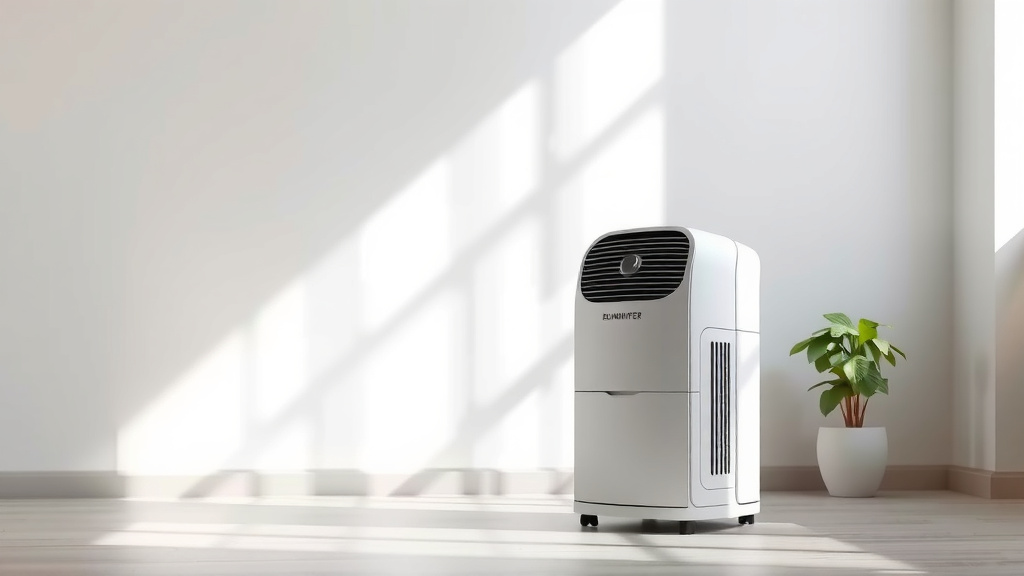
No, a dehumidifier generally does not help with static electricity; in fact, it can sometimes make it worse by reducing air moisture.
Static charges tend to build up more readily in dry environments, and dehumidifiers are designed to remove humidity from the air.
Here’s the quick rundown if you’re battling static zaps:
- Dehumidifiers remove moisture, leading to drier air.
- Dry air is a common cause of static electricity.
- Therefore, running a dehumidifier might actually increase static issues.
- To combat static, you usually need a humidifier to add moisture to your air.
- Balancing your home’s humidity prevents both static cling and excess dampness.
Does a Dehumidifier Help with Static?
That’s a fantastic question, and one many people wonder about, especially when they’re getting zapped constantly! Let’s get right to the heart of it. The simple, direct answer is that a dehumidifier typically does not help with static electricity. In fact, it might make the problem worse. Why? Because static electricity thrives in dry air, and a dehumidifier’s job is to remove moisture, making the air even drier.
Understanding Static Electricity
Think about walking across a carpet and then touching a doorknob – zap! That’s static electricity at work. It happens when there’s an imbalance of electric charges on the surface of materials. When you rub certain objects together, like your shoes on a carpet or clothes in a dryer, electrons can jump from one surface to another. One object gains electrons, becoming negatively charged, and the other loses them, becoming positively charged.
These charges love to hang around, especially when the air is dry. Why? Because moisture in the air acts like a tiny conductor, helping these charges to dissipate safely into the environment. Without enough humidity, the charges build up until they find an easy path to release – often through you, creating that familiar shock. Research often connects low humidity with more static events (NIH).
The Role of Humidity in Static Buildup
Humidity is like the bouncer at a club for static charges. When there’s enough moisture in the air, around 40-60% relative humidity, those charges find it much harder to accumulate on surfaces. The water molecules in the air provide a pathway for the excess electrons to flow away, preventing that big buildup. When the air is too dry, usually below 30% humidity, those charges get trapped. They wait for an opportunity to jump, leading to shocks, clothes clinging, and even frizzy hair.
Dehumidifiers and Their Purpose
So, where does a dehumidifier fit into all this? A dehumidifier is designed to pull excess moisture out of the air. You often use one in damp basements, humid bathrooms, or any area where you want to prevent mold, mildew, or a general muggy feeling. It draws in air, cools it over coils to condense the water vapor, and then releases drier air back into the room. It’s excellent for making a space feel less sticky and preventing dampness-related issues.
When a Dehumidifier Works Against Static
Imagine your home is already quite dry, perhaps during the winter months when the heating is on full blast. The air indoors becomes parched. If you then introduce a dehumidifier, it will further strip moisture from the air. This makes the environment even more favorable for static electricity to build up. So, instead of solving your static problem, you might find yourself getting zapped more often, and your clothes might cling even tighter.
We found that many people mistakenly believe a dehumidifier will help with static because they associate “dry” with “no moisture problems.” For static, however, “dry” is the problem itself, not the solution.
How to Really Reduce Static Electricity in Your Home
If you’re tired of those startling static shocks, you’ll want to focus on adding moisture to the air, not removing it. Here’s what we found to be truly effective:
Introduce a Humidifier
This is your best friend against static. A humidifier adds water vapor back into the air, raising the relative humidity to a comfortable level. Aim for a humidity level between 40% and 60%. You can use a hygrometer (a humidity sensor) to monitor your home’s levels. Many experts say that maintaining this range significantly reduces static cling and shocks (Mayo Clinic).
Moisturize Your Skin and Hair
Dry skin and hair are more prone to attracting and holding static charges. Using lotions, creams, and hair conditioners can help create a barrier that dissipates static more easily. Think of it as giving your body a little protective, conductive layer.
Choose Natural Fabrics
Synthetic materials like polyester, nylon, and acrylic are notorious for generating static electricity. Natural fibers such as cotton, wool, and silk are less likely to build up static charges. Opt for these in your clothing, carpets, and upholstery where possible.
Use Dryer Sheets or Wool Dryer Balls
When doing laundry, dryer sheets contain anti-static agents that transfer to your clothes, helping to neutralize charges. Wool dryer balls can also help by creating friction that reduces static buildup, plus they help dry clothes faster.
Ground Yourself
Before touching metal objects, try touching something else metal or conductive that’s already “grounded” to release any built-up charge safely. A wall or a metal pipe can sometimes work, but often just touching a larger metal object is enough. This is why you sometimes see people touch their car frame before getting out.
Here’s a quick comparison of when you might use a dehumidifier versus a humidifier:
| Factor | Dehumidifier | Humidifier |
|---|---|---|
| Primary Goal | Reduce excess moisture | Add moisture to dry air |
| Effect on Static | Can increase static | Helps reduce static |
| Ideal Humidity Range | When RH > 60% | When RH < 30-40% |
| Common Problems Solved | Mold, mildew, musty smells, sticky feel | Dry skin, irritated sinuses, static shock |
Quick Checklist for Static-Free Living
- Get a hygrometer to monitor indoor humidity.
- Run a humidifier if humidity is below 40%.
- Use anti-static sprays on carpets and furniture.
- Wear natural fiber clothing.
- Moisturize your skin regularly.
- Use dryer sheets or wool balls in laundry.
When to Use a Dehumidifier (and when not to for static)
So, a dehumidifier is still a wonderful appliance! You should absolutely use one if you have high humidity problems. If your basement feels damp, your windows are constantly sweating, or you notice musty odors, a dehumidifier is your hero. These are signs of too much moisture, which can lead to structural damage and mold growth. However, if your primary complaint is static electricity, look away from the dehumidifier and towards its moisture-adding cousin, the humidifier.
Conclusion
Dealing with static electricity can be annoying, but understanding its cause is the first step to finding relief. While your gut might tell you to “dry out” the static, the science points in the opposite direction. Static thrives in dry air. Therefore, a dehumidifier, which removes moisture from the air, is not the tool you need to combat static. Instead, you’ll want to introduce moisture back into your environment using a humidifier and adopt other anti-static practices. By maintaining a balanced humidity level in your home, you can wave goodbye to those shocking surprises and enjoy a more comfortable, zap-free living space.
Frequently Asked Questions About Dehumidifiers and Static
Does high humidity cause static electricity?
No, quite the opposite! High humidity actually helps to prevent static electricity. Water molecules in the air act as tiny conductors, allowing electrical charges to dissipate harmlessly. Static is much more common in dry environments where charges can build up without an easy escape route.
What is the ideal humidity level to prevent static?
The ideal indoor humidity level to prevent static electricity, while also being comfortable and healthy, is generally between 40% and 60% relative humidity. Below 30-35%, static issues become much more prevalent, and above 60-70%, you risk mold and other dampness problems.
Can a dehumidifier damage electronics due to static?
While a dehumidifier itself doesn’t directly damage electronics, by making the air excessively dry, it can increase the risk of static electricity buildup. Static discharges can potentially harm sensitive electronic components. It’s more about the overall dry environment created by the dehumidifier than the appliance itself.
Are there any instances where a dehumidifier could indirectly help with static?
This is a tricky one. In extremely rare cases where humidity is so incredibly high it causes condensation on surfaces, which then dries and leads to a static issue (a very convoluted scenario), a dehumidifier might play a tiny, indirect role. But for the vast majority of static problems, which stem from low humidity, a dehumidifier is not helpful.
Besides a humidifier, what else can I do for severe static problems?
Beyond using a humidifier, consider anti-static sprays for carpets and upholstery, grounding mats for office chairs, wearing natural fabrics (like cotton), and consistently moisturizing your skin. These combined approaches can significantly reduce even severe static issues in your home.
