Can a Dehumidifier Help with Acne?
A dehumidifier can make a damp room feel more comfortable, but it does not treat acne. Choose one to manage excess moisture in a space, not to change your skin.
On this page (8 sections)
- Can a dehumidifier help with acne?
- When does lowering humidity make sense?
- How should you choose a dehumidifier for a small space?
- How do you set up and care for a small moisture absorber?
- Can lowering humidity make your skin too dry?
- What are common mistakes when using a dehumidifier for acne?
- Does indoor humidity affect other health concerns?
- Should you buy a dehumidifier if acne is your main concern?
A dehumidifier may make a damp room more comfortable, but it cannot treat acne or promise clearer skin. The question “can a dehumidifier help with acne” has a simple answer: it can help manage excess moisture indoors, while acne care calls for skin-focused advice.
Use a unit when a room feels clammy or has a moisture problem. If the room is already comfortable, there is no reason to run one in the hope of changing your skin.
Can a dehumidifier help with acne?
A dehumidifier can reduce excess moisture in a damp room, but it cannot clear acne. It changes the air in the space; it does not remove sweat or oil from your skin or address the causes of breakouts.
A warm, humid room can feel sticky after exercise or a shower. Lowering excess humidity may improve comfort, but a more comfortable room does not mean your acne will improve.
Don't use a humidity reading as a substitute for skin care. If acne is persistent, painful, or leaving marks, ask a dermatologist or another qualified health professional about care.
Can a dehumidifier help with acne by removing sweat?
No. A dehumidifier removes moisture from room air, not sweat or oil from your skin.
After sweating, wash gently and use skin care that suits you.
A fan or air conditioner may change how warm a room feels, but neither is an acne treatment. Avoid harsh scrubbing or adding several new skin products at once if your skin is irritated.
When does lowering humidity make sense?
Consider a dehumidifier when a room feels damp or clammy, or you see signs of excess moisture. The goal is to manage the room, not to target acne.
A hygrometer gives you a way to check the room instead of guessing. Follow the appliance’s instructions, use a comfortable humidity setting, and pay attention to how the room feels rather than aiming for the lowest possible reading.
If you’re unsure whether dampness calls for a unit, start with Do I Really Need a Dehumidifier?. A small moisture absorber may suit an enclosed space, while a larger room may need a room-sized appliance.
How should you choose a dehumidifier for a small space?
Match the dehumidifier to the space and the amount of moisture you need to manage. A cordless moisture absorber can suit a closet or cabinet, while a persistently damp bedroom needs a room-sized option.
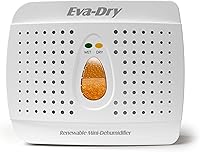
The Eva-Dry Wireless Mini Dehumidifier is designed for small spaces such as closets, cabinets, cars, and bathrooms. It absorbs up to 6 oz of moisture and is intended for spaces up to 333 cubic feet.
Choose this compact unit for a small, enclosed area where a corded appliance is inconvenient. Skip it if you need to control humidity throughout a bedroom or another large room; its small capacity is intended for limited spaces.
Before buying, measure the area and consider how damp it gets. A small absorber is not a substitute for fixing a leak, improving ventilation, or choosing a larger unit for a room-wide moisture problem.
How do you set up and care for a small moisture absorber?
Place the absorber in the enclosed space where you want to manage moisture, then recharge it when needed. The Eva-Dry is cordless and rechargeable, so it does not need to stay plugged in while absorbing moisture.
Its silica gel beads change color as they absorb moisture, indicating when the unit needs recharging. Follow the manufacturer’s instructions for recharging, and check the indicator regularly rather than assuming the device is ready indefinitely.
Keep expectations in line with the unit’s intended use. It is a small-space option, not a way to dry a whole home or to treat skin.
Can lowering humidity make your skin too dry?
Yes, air that becomes too dry can feel uncomfortable for some people. Keep the room comfortable and don’t run a dehumidifier just to see whether your skin changes.
Dry or tight-feeling skin does not prove that a dehumidifier caused acne. If the air feels unpleasant, reassess the humidity setting and stop lowering moisture unnecessarily.
For more about indoor comfort, read Can a Dehumidifier Make the Air Too Dry?. Our guide to whether a dehumidifier can dehydrate you explains the difference between changing room air and changing your body’s hydration.
What are common mistakes when using a dehumidifier for acne?
The main mistake is treating humidity control as acne care. A dehumidifier has a role when a room is damp, but it cannot replace advice about breakouts.
Avoid choosing the smallest device for a large room just because it is compact, or trying to make the air as dry as possible. Check room humidity, follow the unit’s instructions, and address the source of moisture if dampness keeps returning.
Don’t assume that a lower reading will improve your skin. If the room feels fine already, skip the appliance for this purpose and focus on skin care.
Does indoor humidity affect other health concerns?
Humidity control changes how a room feels, but it is not medical treatment for skin or other health conditions. If symptoms persist, seek advice that addresses the specific concern.
For skin comfort, read Does a Dehumidifier Help with Eczema?. If you are concerned about dry air and nasal discomfort, see Does a Dehumidifier Help with Nosebleeds?.
These topics all involve questions about air moisture, but the right response depends on the symptom. Don’t assume that lowering humidity will help every health concern.
Should you buy a dehumidifier if acne is your main concern?
Buy a dehumidifier only if you also need to manage excess moisture in your home. It can make sense for a damp room, but acne alone is not a reason to buy one.
Choose the Eva-Dry for a small enclosed space such as a closet or cabinet. For a larger room, look for a unit sized for that space and its moisture level; skip the mini absorber if you need room-wide control.
If the room is comfortable and acne is the concern, focus on skin care and ask a dermatologist about persistent breakouts. Use a dehumidifier for a damp room, not as an acne remedy.
Frequently asked questions
Can a dehumidifier clear acne?
No. A dehumidifier lowers moisture in the air, but it isn't an acne treatment and can't promise clearer skin.
If a room feels damp, humidity control may make it more comfortable; use skin care recommended by a qualified clinician for acne concerns.
What humidity should I keep my home at for acne?
There isn't a proven indoor humidity target that treats acne. If your home is damp, use a hygrometer and follow your dehumidifier's guidance to avoid excess moisture, while keeping the room comfortable.
Don't lower humidity solely to try to change your skin.
Can dry air make acne worse?
Dry air can leave some people with uncomfortable or tight-feeling skin, but that does not show that it causes acne. Avoid running a dehumidifier to make the air as dry as possible, and ask a dermatologist about persistent or worsening breakouts.
Should I use a dehumidifier in my bedroom for acne?
Use a bedroom dehumidifier if the room is persistently damp or feels clammy, not as an acne remedy. Measure humidity, follow the unit's instructions, and stop lowering moisture if the air becomes uncomfortable.
A clinician can help you choose an acne care plan.