Can You Use a Dehumidifier and Air Purifier Together?
On this page (6 sections)
Yes, you can absolutely use a dehumidifier and air purifier together! In fact, running both appliances in the same room can create a healthier and more comfortable indoor environment by tackling different air quality issues. They work hand-in-hand to remove moisture and cleanse the air.
While a dehumidifier focuses on controlling humidity levels to prevent mold growth and musty odors, an air purifier targets airborne particles like dust, pollen, and pet dander. Find out how to run both appliances together. Combining their strengths means you get a double benefit for your home’s air quality. Many people find this combination especially helpful for allergies or damp basements.
- Dehumidifiers remove excess moisture.
- Air purifiers filter out airborne particles.
- Using both improves overall air quality.
- It’s great for allergy sufferers.
- They can tackle mold and dust simultaneously.
Let’s dive into how these two work together and what you should consider when setting them up.
You’re likely wondering if pairing a dehumidifier and an air purifier is a good idea. The short answer is a resounding yes! These two devices can work together beautifully to create a healthier and more comfortable living space for you and your family.
Making Your Air Fresher and Drier: The Power Duo
Combining a dehumidifier and an air purifier is like giving your home’s air a two-pronged attack against common indoor air quality problems. They don’t just do the same job twice; they each tackle different issues, making their combined effect much more powerful than either device alone.
What Each Appliance Does for Your Air
Think of your home’s air like a tiny ecosystem. A dehumidifier is like a gentle gardener, carefully tending to the moisture levels. An air purifier is like a diligent cleaner, sweeping away unwanted guests that float around.
The Dehumidifier’s Role: Banishing Excess Moisture
Your dehumidifier’s main job is to pull moisture out of the air. When humidity levels get too high, things can get a little sticky, right? High humidity can make your home feel warmer than it is and create the perfect breeding ground for mold and mildew. We’ve all experienced that musty smell in a damp basement or bathroom – that’s high humidity at work. By reducing this excess moisture, your dehumidifier helps to prevent mold growth, control dust mites, and make your home feel more comfortable, especially in warmer months (CDC).
The Air Purifier’s Role: Capturing Airborne Particles
Now, let’s talk about the air purifier. This gadget is designed to filter out tiny particles that you can’t see but can definitely affect your health. We’re talking about things like dust, pollen from trees and flowers, pet dander (those little flakes of skin pets shed), mold spores, and even some bacteria and viruses. An air purifier uses filters, often HEPA filters, to trap these irritants, leaving you with cleaner air to breathe. This can be a game-changer for people who suffer from allergies or asthma (EPA).
Why They Work So Well Together
So, how do these two complementary forces make your home’s air better? It’s simple: they address different aspects of air quality. While the dehumidifier is busy making the air less hospitable to mold and dust mites by drying it out, the air purifier is actively removing the mold spores and dust particles that may already be present. It’s like having a team working on different fronts for the same goal: cleaner, healthier air.
Imagine a rainy day. The air outside is damp, and when that dampness seeps into your home, it brings in more than just moisture. It can bring in mold spores from outside too. Your dehumidifier works hard to combat the dampness. Meanwhile, your air purifier is busy catching any mold spores that might have slipped in or were already lurking. It’s a powerful combination for a healthier environment.
Setting Up Your Air-Improving Dream Team
Once you’ve decided to use both appliances, you might wonder about the best way to set them up for maximum benefit. It’s not complicated, but a few tips can help you get the most out of them.
Placement Matters: Where to Put Them
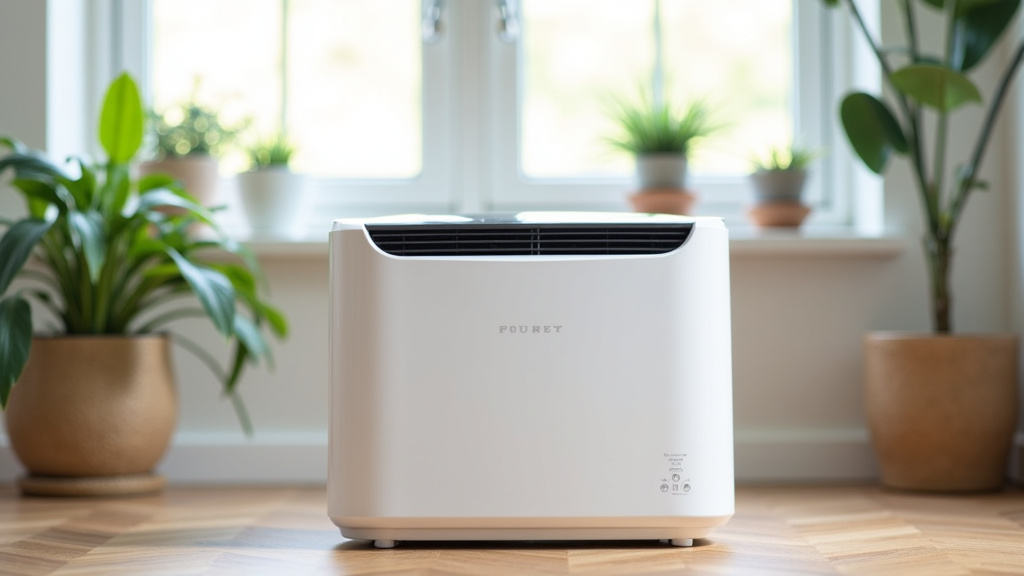
Generally, you’ll want to place your dehumidifier and air purifier in the same room where you spend the most time or where you’re experiencing the most air quality issues. For example, if your bedroom feels stuffy and you have allergies, placing both units there can make a big difference. Make sure each appliance has a little space around it for proper airflow. Don’t shove them into a tight corner or behind furniture.
If you’re targeting a specific problem area, like a damp basement that also has a dusty smell, placing them there makes perfect sense. The dehumidifier will tackle the musty odors and mold prevention, while the air purifier will capture any dust or mold spores released into the air.
Operating Them Together: Best Practices
When you run them together, you’ll want to consider the settings. Most dehumidifiers have a humidistat that allows you to set a target humidity level. Aim for a level between 30% and 50% for optimal comfort and mold prevention (EPA). You can set your air purifier to a constant setting or use its automatic mode if it has one, which adjusts fan speed based on detected air quality.
Will running both increase your energy bill? A little, yes. Both appliances use electricity. However, the benefits to your health and comfort often outweigh the small increase in your energy costs. Many modern units are designed to be quite energy-efficient. Learn if dehumidifier mode uses less electricity than other settings.
Can They Be Too Close?
There’s no harm in having your dehumidifier and air purifier relatively close to each other. They aren’t going to interfere with each other’s operation. In fact, placing them near each other in a room can be efficient. Just ensure there’s enough space for each to draw in air and expel it effectively. Think of it like putting a fan and a humidifier in the same room; they just do their own thing side-by-side.
Maintenance: Keeping Them Running Smoothly
Just like any appliances, regular maintenance is key. For your dehumidifier, this means emptying the water tank regularly or ensuring the continuous drain hose is properly connected. You’ll also need to clean or replace the air filter as recommended by the manufacturer. For your air purifier, regularly cleaning or replacing the filters is absolutely essential for it to work effectively. A clogged filter won’t capture much of anything!
We found that following the manufacturer’s guidelines for filter changes is the best way to ensure optimal performance. Missing a filter change on your air purifier, for instance, means it’s not actually purifying the air anymore, which defeats the purpose.
When is This Combination Particularly Beneficial?
While anyone can benefit from cleaner, drier air, some situations make using a dehumidifier and air purifier together especially helpful.
For Allergy Sufferers
If you or someone in your household suffers from allergies, this duo is your secret weapon. Allergens like pollen, dust mites, and pet dander are common triggers. High humidity can exacerbate dust mite populations and encourage mold growth, both of which are major allergy triggers. By reducing moisture with the dehumidifier and filtering out allergens with the air purifier, you create a much less reactive environment.
Tackling Damp or Humid Spaces
Basements, bathrooms, and laundry rooms are often prone to higher humidity levels. These are also places where mold and mildew can thrive. Using both a dehumidifier and an air purifier in these areas can effectively combat musty odors, prevent mold and mildew buildup, and remove any airborne spores that might be present. It’s a practical solution for making these often-overlooked spaces more pleasant and healthier.
After Water Damage or During Rainy Seasons
If you’ve experienced minor water damage or are in a region with very humid or rainy seasons, the risk of mold and dampness increases significantly. Running both units can help dry out the air and capture any mold spores that may have been introduced. Many restoration professionals recommend similar strategies for managing indoor air quality after water intrusions.
Maintaining a Healthy Home Environment
Ultimately, using a dehumidifier and an air purifier together is about taking a proactive approach to your home’s air quality. It’s not just for problems; it’s about creating a consistently comfortable and healthy living space. You’re essentially giving your home’s air the best possible conditions to thrive, free from excess moisture and irritating particles.
Quick Checklist for Your Air-Improving Setup
Ready to get started? Here’s a quick rundown to help you make the most of your dehumidifier and air purifier:
- Choose the Right Room: Select the space where you spend the most time or have the biggest air quality concerns.
- Ensure Proper Placement: Give both units space to breathe for efficient airflow.
- Set Your Humidity Target: Aim for 30%-50% humidity with your dehumidifier.
- Maintain Your Filters: Clean or replace air purifier and dehumidifier filters regularly.
- Monitor Performance: Listen for unusual noises and check water tanks frequently.
- Adjust as Needed: Don’t be afraid to tweak settings based on how your home feels and smells.
Conclusion
You’ve learned that using a dehumidifier and an air purifier together creates a powerful team for better indoor air. They tackle moisture and airborne particles separately, offering a dual benefit that standard units can’t match. Whether you’re fighting allergies, dampness, or just want cleaner air, this combination makes a real difference. Now that you know the benefits and how to set them up, you can take the next step to create a healthier home environment.
Frequently Asked Questions
Will running both a dehumidifier and an air purifier make my room too dry?
Not usually. Your dehumidifier has a humidistat you can set to your desired humidity level, typically between 30% and 50%. The air purifier doesn’t affect humidity at all, so you can maintain a comfortable balance with proper settings.
Is it okay to place my dehumidifier and air purifier right next to each other?
Yes, it’s perfectly fine to place them close together. They don’t interfere with each other’s operation. Just make sure both units have enough space around them for proper airflow to work efficiently.
How often should I clean or replace the filters for both appliances?
Filter maintenance is key. For air purifiers, check the manual, but generally, HEPA filters may need replacing every 6-12 months, and pre-filters might need cleaning monthly. Dehumidifier filters often need cleaning every few weeks, depending on usage and air quality.
Can a dehumidifier accidentally dry out the air too much if an air purifier is also running?
Your dehumidifier’s primary function is to control moisture. If you set it to a target humidity, it will stop removing moisture once it’s reached. The air purifier’s function is to filter air, not change its moisture content, so it won’t contribute to over-drying.
If I have a whole-house dehumidifier, do I still need an air purifier?
A whole-house dehumidifier manages overall home humidity, which is great. However, it doesn’t filter airborne particles. An air purifier still plays a vital role in removing dust, pollen, pet dander, and other allergens from the air you breathe, complementing your dehumidifier’s function. If you want both functions in one unit, compare an air purifier and dehumidifier combo.