Do I Need a Pump Dehumidifier for My Basement?
On this page (8 sections)
- When Your Basement Needs More Than Just Humidity Control
- What Exactly is a Pump Dehumidifier?
- Signs Your Basement Might Need a Pump Dehumidifier
- Comparing Dehumidifier Types: Which is Right for You?
- Setting Up Your Pump Dehumidifier for Success
- Is It Time to Upgrade to a Pump Dehumidifier? A Quick Checklist
- Conclusion
- Frequently Asked Questions
You might need a pump dehumidifier for your basement if you’re dealing with persistent dampness and pooling water. A standard dehumidifier can handle general humidity, but if your basement experiences actual flooding or has a sump pump already, a pump model is often the most effective solution for continuous water removal.
Basements are notorious for moisture issues. Without proper management, this dampness can lead to mold growth and structural damage. Understanding if your specific situation calls for a pump dehumidifier means protecting your home’s foundation and air quality. Many homeowners find them essential for basements that are prone to water intrusion.
- Basements often get damp, especially after heavy rain.
- Standard dehumidifiers work for general humidity.
- A pump dehumidifier is better for actual water pooling.
- It continuously removes water, preventing basement flooding.
- This helps avoid mold and protects your home.
Let’s dive into what a pump dehumidifier is and when it’s your basement’s best friend.
When Your Basement Needs More Than Just Humidity Control
So, you’re wondering if your basement is the kind of place that needs a special kind of dehumidifier – one with a pump. It’s a smart question to ask, especially when you’re tired of that lingering musty smell or seeing puddles after a storm.
If your basement has actual standing water or a sump pump already, a pump dehumidifier is likely your best bet. It’s designed to handle more than just damp air; it’s built for continuous water removal. Let’s figure out if this is the right tool for your basement’s job.
What Exactly is a Pump Dehumidifier?
Think of a pump dehumidifier as a regular dehumidifier with a superhero sidekick. It works like any other dehumidifier to pull moisture out of the air. It uses coils that get cold, causing water vapor to condense into liquid.
The key difference is how it gets rid of that collected water. Instead of just filling a bucket you have to empty, it has a built-in pump. This pump actively pushes the water away through a hose. It can even pump it upwards to a drain or sump pit.
The Standard Dehumidifier vs. The Pump Model
A standard dehumidifier is great for managing general humidity levels in a space. You know, when the air just feels a bit heavy and sticky.
It collects water in a tank. You’ll need to monitor this tank. When it gets full, the unit usually stops working. You then have to manually empty the tank. For basements that aren’t prone to flooding, this might be enough.
A pump dehumidifier elevates this by adding the pump. This means you don’t have to constantly check and empty a heavy tank. It offers a more automated and continuous solution for wet basements.
How the Pump Works Its Magic
The pump is usually activated when the internal reservoir fills up. Many models also have a float switch that tells the pump when to turn on. It’s a clever system designed to keep water moving out without your intervention.
The hose connects to the unit and leads to a suitable drainage point. This could be a floor drain, a laundry sink, or even your existing sump pit. This feature is a real game-changer for serious moisture problems.
Signs Your Basement Might Need a Pump Dehumidifier
How do you know if your basement is leaning towards “needs a pump” territory? Look for specific clues. These aren’t just minor inconveniences; they’re indicators of more significant moisture issues.
Persistent Dampness and Puddles
If you regularly see small puddles of water on your basement floor, especially after a heavy rain or snow melt, a pump dehumidifier is a strong candidate. This indicates water is actually seeping in, not just high humidity.
A standard dehumidifier can’t keep up with this level of water. It will constantly be filling its tank, and you’ll be emptying it just as often. The pump model handles this continuous flow much better.
Water Intrusion After Rain or Snow Melt
Does your basement seem to sweat or develop damp spots after significant weather events? This is a classic sign of water intrusion. Your foundation might be letting in more water than you realize.
A pump dehumidifier is designed to tackle this. It can continuously remove water as it enters, preventing it from spreading and causing damage. It’s like having a miniature water removal system running constantly.
The Smell of Mildew and Mustiness
That unmistakable musty odor? It’s the smell of mold and mildew having a party. This happens when surfaces stay damp for too long.
While any dehumidifier helps reduce the smell by drying the air, a pump model addresses the root cause more effectively if standing water is involved. By removing water at the source, it limits the environment mold loves to grow in. This protects your air quality and your home.
Existing Sump Pump and Its Limitations
If you already have a sump pump, you know your basement is susceptible to water. However, sump pumps are typically for heavy flooding events.
A pump dehumidifier works alongside your sump pump. It handles the moderate moisture and smaller water accumulations that a sump pump might not always kick in for. It offers a secondary layer of defense against basement dampness.
Visible Mold or Mildew Growth
Seeing fuzzy spots of green, black, or white on your walls or belongings is a clear warning sign. Mold thrives in damp, dark environments like basements.
While addressing the mold itself is important, preventing its return is key. A pump dehumidifier can drastically reduce the moisture levels that allow mold to flourish. This helps prevent future growth and keeps your basement healthier.
Comparing Dehumidifier Types: Which is Right for You?
Choosing the right dehumidifier depends on your basement’s specific needs. Let’s break down the main players.
| Feature | Standard Dehumidifier | Pump Dehumidifier |
|---|---|---|
| Water Removal | Collects in a tank (manual emptying required) | Pumps water out via hose (continuous removal) |
| Ideal For | General humidity, occasional dampness, no standing water | Persistent dampness, standing water, basements prone to flooding |
| Effort Required | Regular tank emptying | Minimal; set and forget (hose must reach drain) |
| Installation | Plug and play | Plug and play, plus hose setup to a drain |
| Cost | Generally lower initial cost | Slightly higher initial cost, but saves time and effort |
The Energy Efficiency Factor
When comparing models, energy efficiency is important. Look for the Energy Star label. This means the unit meets strict energy performance standards set by the EPA.
Pump dehumidifiers, like their standard counterparts, can consume a fair amount of electricity. Choosing an Energy Star certified model can help reduce your power bill over time. Many pump models are designed for continuous operation, so efficiency matters.
Capacity and Drainage Options
Dehumidifier capacity is measured in pints of water removed per day. For basements, you’ll often see models ranging from 30 to 70 pints or more. The larger the basement and the wetter it is, the higher capacity you’ll need.
For a pump model, the length and height the pump can push water are also crucial specifications. Make sure the hose can reach your chosen drain and that the pump can manage the vertical lift. A longer hose or higher lift capability might be necessary.
Setting Up Your Pump Dehumidifier for Success
Getting your pump dehumidifier working its best involves a few key steps. It’s not rocket science, but paying attention to the details makes a big difference.
Choosing the Right Location
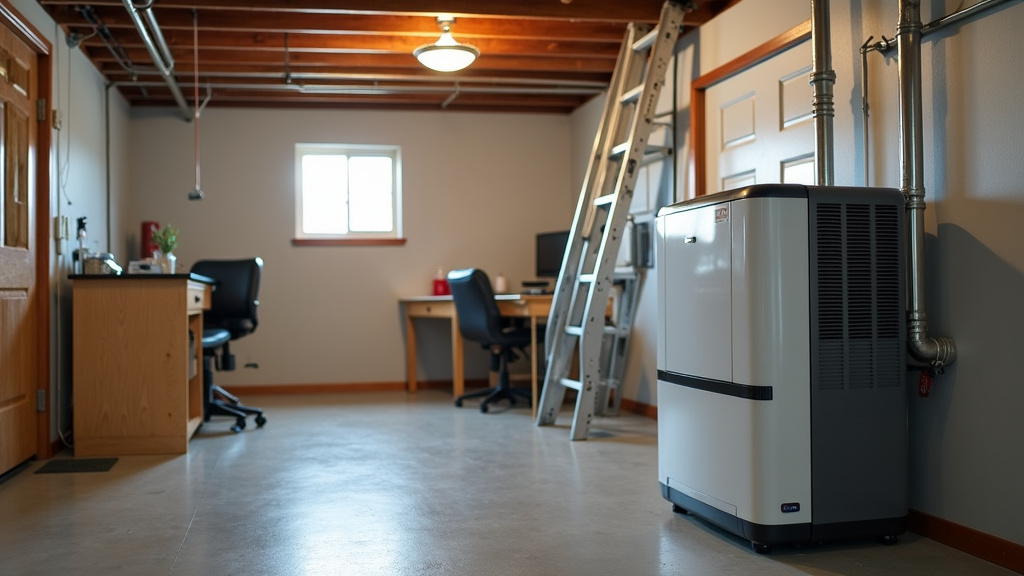
Place the dehumidifier in the area where moisture is highest. This is often the center of the basement or near a known water source.
Ensure there’s good airflow around the unit. Don’t place it directly against a wall or furniture. This allows it to pull in moist air and circulate dry air effectively. A clear space around it is best.
Connecting the Drainage Hose
This is where the “pump” part comes in. Securely attach the drainage hose to the unit. Make sure it’s the correct hose designed for the pump feature.
Run the hose to your chosen drain. Avoid kinks or sharp bends that could impede water flow. If you’re draining into a sump pit, ensure the hose end is positioned so it won’t get submerged and back up. A secure connection is vital.
Setting the Desired Humidity Level
Most pump dehumidifiers have adjustable humidistats. You can set your preferred humidity level. For most homes, between 40% and 50% humidity is ideal, according to health organizations like the EPA.
Lowering the humidity too much can make the air feel dry and even affect wood furniture. Finding that sweet spot helps maintain a comfortable and healthy environment. It also prevents mold and mildew.
Regular Maintenance Checks
Even with a pump, some maintenance is required. Periodically clean the air filter. A clogged filter makes the unit work harder and less efficiently.
Check the drainage hose and pump mechanism for any debris or blockages. This ensures the water keeps flowing smoothly. This simple upkeep can extend the life of your dehumidifier.
Is It Time to Upgrade to a Pump Dehumidifier? A Quick Checklist
Let’s see if your basement situation matches the need for a pump dehumidifier:
- You notice standing water on the basement floor regularly.
- Your basement develops damp spots or puddles after it rains.
- You can’t get rid of that persistent musty or mildew smell.
- You’re constantly emptying a full dehumidifier tank.
- You see signs of mold or mildew growth.
- You want a set-it-and-forget-it solution for water removal.
Conclusion
It’s clear that your basement’s moisture issues might need more than just a standard dehumidifier. If you’re dealing with actual puddles, frequent dampness after rain, or that stubborn musty smell, a pump dehumidifier is likely your best ally. It offers a robust, hands-free way to manage water where it matters most. Don’t let basement dampness damage your home or health. Your next step is to assess your basement’s specific water problems and choose a pump model that fits your needs. You can achieve a drier, healthier basement with the right tool.
Frequently Asked Questions
Can a pump dehumidifier run all the time?
Yes, pump dehumidifiers are designed for continuous operation when needed. Their automatic pumping feature allows them to run as long as necessary to keep your basement dry without constant attention. Just ensure the drainage hose is properly set up.
How high can a pump dehumidifier push water?
Most pump dehumidifiers can push water vertically about 15 to 20 feet. Always check the manufacturer’s specifications for the exact lift capability of the model you’re considering. This is important if you need to pump water to a higher drain or pit.
Do pump dehumidifiers use a lot of electricity?
Like standard dehumidifiers, pump models do consume electricity, especially when running continuously. Choosing an Energy Star certified model can help reduce energy usage and lower your power bills over time. Their efficiency varies by brand and model.
Is a pump dehumidifier necessary if I have a sump pump?
A pump dehumidifier can be beneficial even if you have a sump pump. Sump pumps typically handle major flooding events, while a pump dehumidifier manages moderate moisture and smaller water accumulations. It provides an extra layer of protection against persistent dampness.
How often should I check the pump and hose on my dehumidifier?
It’s a good idea to check the pump and drainage hose monthly for any blockages or kinks. This simple maintenance ensures the system works correctly and prevents potential water backup. Cleaning the air filter regularly also helps the unit run efficiently.