How to Vent a Bathroom Exhaust Fan
Vent a bathroom exhaust fan outdoors with short, smooth ducting, sealed joints, a damper, and a roof or wall termination. Do not vent into an attic, soffit, or another room, because warm moist air will condense and damage building materials.
On this page (10 sections)
- How do I vent a bathroom exhaust fan step by step?
- Which route is better, roof or exterior wall?
- How do I vent an exhaust fan through the attic?
- What duct, damper, and vent parts do I need?
- How do I install a roof vent correctly?
- How do I install an exterior wall vent?
- How do I seal and support the duct run?
- How do I check airflow and noise after install?
- What mistakes should I avoid when venting a bathroom fan?
- How often should I run the fan and maintain the vent?
To vent a bathroom exhaust fan, run a short sealed duct from the fan housing to a roof vent or exterior wall hood, with a damper at the termination. That route carries moisture outside instead of into the attic or wall cavity.
Start by checking what size bathroom fan you need, since CFM, duct diameter, and allowed duct length depend on the fan. A fan that is too small for the room will run longer and still leave moisture behind.
How do I vent a bathroom exhaust fan step by step?
Connect the fan to outdoor air by the shortest straight path you can build. Plan the route first and check local code for roof and wall penetrations.
Measure from the fan outlet to the termination and count bends. Each bend adds resistance, so one gentle sweep beats two tight turns.
Turn off power at the breaker before ceiling work. Wear eye protection when cutting duct or roofing.
Attach duct with screws or crimped joints, then seal with mastic or metal tape and support it level every few feet. Test the fan before closing the ceiling.
Check airflow at the hood for a crushed section, loose joint, or stuck damper.
Which route is better, roof or exterior wall?
Choose the route with the fewest bends and the shortest total length, usually through the roof or an exterior wall. A wall hood often needs less flashing work, while a roof cap suits a fan placed near the ridge.
Walk the attic or crawl space first and mark the path on the ceiling. Note joists, plumbing stacks, wiring, and insulation that could block a straight run.
A wall termination needs a hood on the outside face of the house, clear of windows, doors, and fresh air intakes. Keep the hood high enough to avoid snow, shrubs, and sprinkler spray.
A roof termination needs a cap that sheds water uphill and seals to the shingles or metal panels. Ask a roofer if your roof is steep, older, or covered in a material you do not want to cut.
How do I vent an exhaust fan through the attic?
Use the attic only as a pass through space, never as the endpoint. The duct must continue through the roof or down a wall to the outside.
Read our guide on how to vent exhaust fan in attic before you start, and check can bathroom fan be vented into attic to avoid the most common mistake. Warm air that stops in an attic will condense on cold surfaces.
Keep the duct above insulation or seal where it passes through, so moist air does not leak into the attic. Wrap or insulate the duct in cold parts to reduce condensation inside the pipe.
Seal the penetration with flashing and roofing sealant made for your roof type.
What duct, damper, and vent parts do I need?
Use smooth metal duct, a backdraft damper, and a termination cap or hood with a screen. Match the duct diameter to the fan outlet, and buy parts rated for bathroom exhaust.
Our picks for best bathroom exhaust fan ducting and best bathroom exhaust fan duct kit cover the main options. Check diameter, length, and bend count against your fan manual before you order.
A best bathroom exhaust fan duct adapter helps when outlet and duct sizes differ, but it should not replace buying the right duct size. Use best bathroom exhaust fan flexible duct only for a short section, stretched taut and supported.
Add a best bathroom exhaust fan damper or a best exhaust fan backdraft damper at the termination, so cold air and pests stay out when the fan is off. Confirm the damper swings free after mounting.
How do I install a roof vent correctly?
Flash the roof cap uphill, seal all joints, and keep the damper free to move. A roof vent fails most often from poor flashing, not from the fan itself.
Our best bathroom exhaust fan roof vent kit guide lists kits by roof type, cap style, and duct size. Pick the kit that matches shingles, metal, or tile before you buy.
Lift the shingles above the cap, slide the flashing under them, and fasten the lower edge per the kit maker. Seal exposed fasteners with roofing sealant, and keep sealant away from the damper opening.
Connect the duct inside the attic, support it, and confirm the cap opening is unblocked. Then test from inside while a helper watches the damper open outside.
How do I install an exterior wall vent?
Mount a louvered hood, seal the wall penetration, and keep the damper clear of paint and debris. A wall hood is often simpler than a roof penetration, but it still needs weather sealing.
Our best bathroom exhaust fan exterior vent and best bathroom exhaust fan exterior vent cover pages compare hood styles, screens, and damper types. Choose a hood that opens fully and sheds rain.
Cut the wall opening from both sides when possible, seal the duct to the hood, and caulk the hood flange to the siding. Use exterior caulk made for your siding material, and touch up cut edges to stop water entry.
Keep the termination away from gas vents, furnace intakes, and open windows, so moist exhaust air does not re enter the house.
Which bathroom fan fits a small powder room?
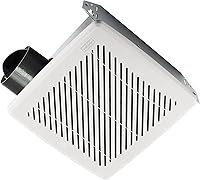
The Broan-NuTone Bathroom Exhaust Fan is a 50 CFM unit for a smaller powder room or bathroom up to 45 sq ft, with a 3 in duct connection and 2.0 sones noise level.
Its compact housing measures 7-1/4 x 7-1/2 x 3-5/8 in, and Broan-NuTone says it can install in about 10 minutes with foldable brackets. That no cut style mount helps when attic access is limited.
For suspended ceilings, compare bathroom exhaust fans for drop ceilings.
This fan suits a small room where you can run a short duct to a nearby wall or roof. It is not a fit for a large bathroom, because 50 CFM will leave moisture behind in a bigger space.
When does a wall mounted shutter fan make sense?
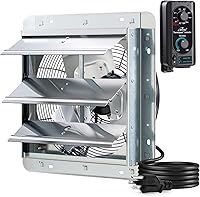
The iLiving 12 in Wall Mounted Shutter Exhaust Fan moves 960 CFM and covers up to 1400 sq ft, with automatic shutters and a variable speed thermostat control.
Its galvanized steel frame, aluminum shutters and blades, and direct drive motor suit a garage, workshop, or greenhouse more than a home bathroom. The Thermospeed controller adjusts temperature from 32 to 130F, and the fan is UL listed.
Pick this style when you need a large wall opening and high airflow, not a quiet ceiling grille. It is far larger and stronger than a typical bathroom fan, so check wall space and power needs first.
How do I seal and support the duct run?
Seal every joint, support the duct level, and insulate cold sections in the attic. Leaks and sags cause most venting problems after the fan is installed.
Use screws or crimped seams on metal duct, then seal with mastic or metal foil tape. Do not use standard cloth duct tape, which dries out and lets moist air escape.
Support the run every 4 to 5 feet, and keep it level so condensation can drain back toward the fan or out the termination. Avoid low spots where water can sit and rust the duct.
Wrap the duct with insulation where it runs through a cold attic, and seal gaps where it passes through the ceiling. That step slows condensation inside the duct and keeps moist air out of the attic.
How do I check airflow and noise after install?
Run the fan, feel for flow at the exterior hood, and listen for rattles or whistling. A quiet fan with strong flow usually means the duct is short, smooth, and sealed.
Time the fan for a full shower cycle, then check the mirror and walls for lingering moisture. Our guide on Do Bathroom Fans Dehumidify? explains why a fan removes moist air but does not lower humidity like a dehumidifier.
Clean the grille and housing on the schedule in the fan manual, and confirm the damper still opens each season. Cold air leaks through a stuck damper can make a room feel drafty, while a blocked hood reduces airflow.
What mistakes should I avoid when venting a bathroom fan?
Avoid venting into an attic, soffit, or wall cavity, and avoid long flexible plastic duct. Those choices trap moisture, grow mold, and rot wood over time.
Do not use a dryer vent kit or a kitchen range hood as a substitute for bathroom duct parts. Dryer vents carry lint and heat, while range hoods handle grease, so neither matches a bathroom fan outlet.
Do not crush duct to fit around a joist, and do not leave joints unsealed inside the ceiling. A short detour with a proper offset or a rerouted path is safer than a kinked pipe.
For whole house airflow questions, read Does a Dehumidifier Need an Exhaust? to see how exhaust differs from dehumidification. That distinction helps you size the fan and set run time.
How often should I run the fan and maintain the vent?
Run the fan during and for 20 to 30 minutes after showers, and inspect the exterior hood twice a year. That routine clears steam without running the fan all day.
Clean the grille with mild soap and water, vacuum dust from the housing, and check the damper for insects or paint buildup. Confirm the hood screen is clear, since a blocked screen cuts airflow fast.
Tighten duct supports, reseal any cracked joints, and check roof flashing after storms. If the fan gets louder, slower, or weaker, inspect the duct for a crushed section before you replace the fan.
Frequently asked questions
How long should a bathroom exhaust fan duct be?
Keep it as short as possible, ideally under 10 feet with few bends. Long or bent runs reduce airflow, so use smooth duct, support it level, and follow the fan maker's maximum duct length for its CFM rating.
Can a bathroom fan vent through a soffit?
No, do not terminate into a soffit unless the vent passes fully through to outdoors and local code allows that detail. A soffit cavity can trap moisture, so a roof cap or exterior wall hood is the safer choice.
What duct is best for a bathroom exhaust fan?
Use smooth metal duct with the diameter the fan requires, usually 3 or 4 inches. Seal joints with metal tape or mastic, support the run, and avoid flexible plastic or thin foil duct that sags and collects water.