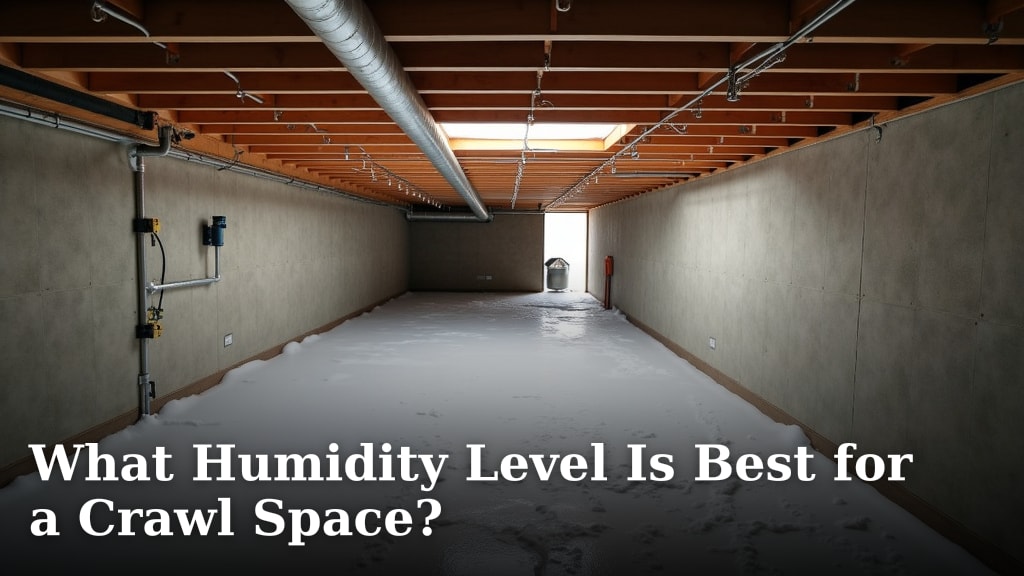
What Humidity Level Is Best for a Crawl Space?
For optimal health and protection against moisture problems, the best humidity level for a crawl space is typically between 30% and 50% relative humidity. This range helps prevent mold growth and wood rot, keeping your home’s foundation safe.
Maintaining proper crawl space humidity is crucial for your home’s structural integrity and indoor air quality. Too much moisture invites pests and can lead to costly repairs, while too little can also cause issues like wood shrinkage. Finding that sweet spot for humidity is key.
- Aim for 30% to 50% relative humidity.
- Prevents mold, mildew, and wood rot.
- Protects your home’s foundation.
- Improves indoor air quality.
Let’s research together what makes this range ideal and how you can achieve it in your crawl space, protecting your home for years to come.
Achieving the Ideal Humidity Range for Your Crawl Space
You’re looking for that sweet spot, right? The 30% to 50% relative humidity range is what most experts recommend for your crawl space. It’s the golden rule for preventing moisture-related problems. We found this range provides the best protection for your home.
Why This Humidity Range Matters So Much
Think of your crawl space as your home’s lungs. What happens there affects your whole house. Maintaining proper humidity safeguards your investment. It protects against hidden dangers and costly repairs down the road.
Preventing Mold and Mildew Growth
Mold and mildew thrive in damp, humid conditions. When your crawl space humidity climbs above 60%, you’re practically rolling out the red carpet for them. They love dark, moist environments (Environmental Protection Agency).
This fungal growth isn’t just unsightly; it can cause structural damage. More importantly, mold spores can become airborne. They can enter your living spaces, affecting your indoor air quality. This can trigger allergies and respiratory issues for your family.
Protecting Wood Structures from Rot and Warping
Your home’s foundation often includes wood beams and floor joists. High humidity causes these wooden elements to absorb moisture. This leads to wood rot, weakening your home’s structure over time.
When wood rots, it loses its strength. This can lead to sagging floors and other serious structural problems. Dry rot is particularly insidious, eating away at wood from the inside. Keeping humidity low protects these vital components.
Too little humidity, below 30%, can also be a problem. Very dry air can cause wood to shrink and crack. This can lead to squeaky floors and gaps, though it’s less common than high humidity issues.
Deterring Pests and Critters
Many common household pests, like termites, cockroaches, and rodents, are drawn to damp, dark areas. A humid crawl space creates an inviting environment for them. It’s like a five-star hotel for unwanted guests.
Termites, for instance, need moisture to survive and build their colonies. By keeping your crawl space dry, you make it much less attractive to these destructive insects. This adds another layer of protection for your home.
Understanding Relative Humidity (RH)
Relative humidity isn’t just about how much water is in the air. It’s about how much water vapor the air is holding compared to how much it could hold at that temperature. It’s a percentage.
Warm air can hold more moisture than cold air. So, 50% RH on a warm day means more actual water vapor than 50% RH on a cold day. But for your crawl space, the 30-50% range remains your target, regardless of the outdoor temperature fluctuations.
Signs Your Crawl Space Humidity Is Out of Whack
How do you know if your crawl space needs attention? Your home often sends out signals. Learning to recognize these signs can help you address issues before they become major problems.
Common Indicators of High Humidity
High humidity is the more common problem. It can be sneaky, but your nose and eyes can be great detectors. Don’t ignore these warning signs.
Musty Odors
Do you notice a damp, earthy, or musty smell in your home? This is often the first sign of excessive moisture in your crawl space. It means mold or mildew is likely growing.
These odors can permeate your living spaces through floorboards and ductwork. It’s not just unpleasant; it’s a sign of potential air quality issues (CDC).
Visible Mold or Mildew
If you venture into your crawl space, look for fuzzy or discolored patches on wood, insulation, or concrete. Mold can appear in many colors, including black, green, or white.
Sometimes, you might see condensation on pipes or structural elements. This is also a strong indicator of too much moisture in the air. It’s like your crawl space is sweating.
Wood Rot or Warping
Check for soft, discolored, or crumbly wood. This is a clear sign of rot. You might also notice sagging floors above the crawl space, which suggests weakening joists.
Doors sticking or floors squeaking more than usual can also point to moisture problems. This is because the wood is expanding and contracting. These are subtle but important clues.
Pest Infestations
An unusual increase in pests like cockroaches, silverfish, or termites could mean your crawl space is too damp. They are seeking out moisture and shelter.
Remember, a dry crawl space is a less inviting home for these unwelcome visitors. Keeping humidity in check is a great pest control strategy.
How to Measure Your Crawl Space Humidity
Before you can fix a problem, you need to know its extent. Measuring humidity is simple and affordable. You don’t need fancy equipment for this step.
Using a Hygrometer
A hygrometer is a small, inexpensive device that measures relative humidity. You can buy one online or at most hardware stores. Place it in your crawl space for a few days to get an accurate reading.
Choose a digital hygrometer for ease of reading. Place it away from vents or direct sunlight. Check it regularly to monitor fluctuations. This gives you a clear picture of your crawl space’s environment.
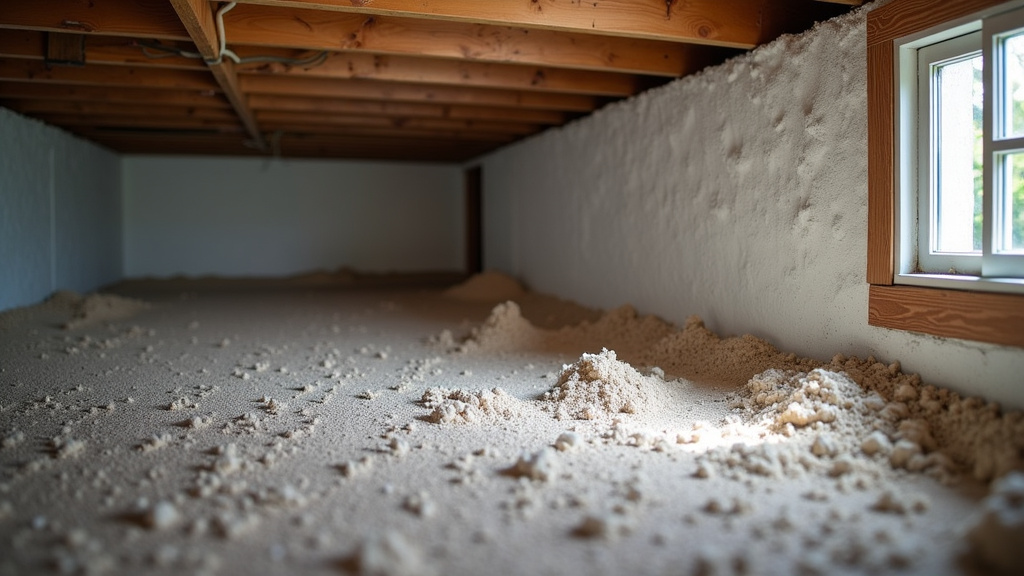
Strategies for Achieving and Maintaining Ideal Humidity
Now that you understand the “why” and “how to measure,” let’s dive into the “what to do.” You have several options to get your crawl space humidity under control.
Encapsulation: The Gold Standard
Crawl space encapsulation is often the most effective solution. It involves sealing off your crawl space from the outside environment. Think of it as creating a mini indoor space.
This process usually includes laying a heavy-duty vapor barrier on the ground and up the walls. All vents to the outside are sealed, and the access door is made airtight. This prevents outside moisture from entering.
Once sealed, a dehumidifier is typically installed. This keeps the air inside the encapsulated space dry and within your target 30-50% RH range. It’s a comprehensive solution for long-term control.
Dehumidifiers: Your Moisture-Fighting Allies
A dedicated crawl space dehumidifier is crucial for an encapsulated space. It actively removes moisture from the air. These are different from household dehumidifiers; they’re built for tougher conditions.
Look for models designed for crawl spaces, often referred to as “low-grain refrigerant” or “basement/crawl space” dehumidifiers. They are more efficient and can handle colder temperatures better.
Ensure the dehumidifier has a drain hose that leads outside or to a condensate pump. This way, you won’t have to constantly empty a water reservoir. Set it to your desired humidity level, typically 45%, and let it do its work.
Vapor Barriers: Your First Line of Defense
Even if full encapsulation isn’t an option, a well-installed vapor barrier can make a big difference. This involves covering the soil floor of your crawl space with a thick plastic sheet.
The barrier prevents ground moisture from evaporating into the air above. It’s a fundamental step in any moisture control strategy. Make sure it covers 100% of the ground and extends a few inches up the foundation walls.
Crawl Space Venting: A Common Misconception
Many older homes have crawl space vents. The idea was to allow air to circulate and dry out the space. However, in many climates, these vents do more harm than good. They often let in humid outdoor air, especially during summer.
This humid air condenses on cooler surfaces inside the crawl space, adding moisture. In most cases, sealing these vents as part of an encapsulation process is recommended. Consult with a professional to see if this is right for your climate.
Checklist for Crawl Space Humidity Control
Ready to tackle your crawl space? Here’s a quick checklist to guide you:
- Inspect your crawl space regularly for signs of moisture.
- Install a reliable hygrometer to monitor humidity levels.
- Ensure proper drainage around your home’s foundation.
- Consider installing a heavy-duty vapor barrier on the ground.
- Seal all crawl space vents to prevent humid air intrusion.
- Invest in a quality crawl space dehumidifier for continuous drying.
Table: Humidity Levels and Their Potential Impact
| Relative Humidity Range | Potential Impact on Your Home |
|---|---|
| Below 30% | Very dry air; potential wood shrinkage, squeaky floors. |
| 30% – 50% | Ideal range; minimal risk of mold, rot, or pests. |
| 50% – 60% | Increased risk of dust mites, slight mold potential. |
| Above 60% | High risk of mold, mildew, wood rot, pests, structural damage. |
You’ve got this! Taking action on your crawl space humidity is a proactive step that protects your home and your family’s health. It’s an investment that pays off in the long run.
Conclusion
Taking control of your crawl space humidity is a big win for your home and your health. By aiming for that ideal 30% to 50% relative humidity, you actively prevent mold, wood rot, and pest infestations. You’re not just fixing a problem; you’re investing in your home’s long-term stability and improving your indoor air quality.
Start by checking your current humidity levels with a hygrometer. Then, consider whether a vapor barrier, a specialized dehumidifier, or even full encapsulation is the right step for you. Your home will thank you for taking these proactive measures to protect its foundation.
Frequently Asked Questions
Why is 30-50% the ideal humidity range for a crawl space?
This range is perfect because it’s dry enough to stop mold, mildew, and wood rot from growing. It also keeps pests away, who love damp environments. Going much lower can sometimes cause wood to shrink.
Can I just use a regular home dehumidifier in my crawl space?
It’s best to use a dehumidifier specifically designed for crawl spaces or basements. These models are built to handle colder temperatures and harsher conditions more efficiently. They also often have continuous drainage options, which is very helpful.
How often should I check my crawl space humidity?
Ideally, you should check it regularly, perhaps once a week or month, especially if you live in a climate with changing seasons. A digital hygrometer with remote monitoring can make this task much easier. Consistent monitoring helps you catch issues early.
Will sealing crawl space vents make my home too stuffy?
Sealing crawl space vents, especially as part of an encapsulation process, is actually beneficial. It prevents humid outdoor air from entering and condensing inside. With a dehumidifier maintaining the ideal humidity, your crawl space air will be cleaner, not stuffy.
What if my crawl space stays humid even after I install a vapor barrier?
A vapor barrier is a great first step, but it might not be enough on its own, especially in very humid climates. If you still have high humidity, you likely need a dedicated crawl space dehumidifier. This will actively remove moisture that gets past the barrier or comes from other sources.