How to Tell If My Basement Needs a Dehumidifier?
On this page (3 sections)
You can tell if your basement needs a dehumidifier by checking for signs of excess moisture, such as a musty smell, visible mold growth, or condensation on pipes and walls. If your basement feels damp or clammy, it’s often a clear indicator that a dehumidifier would be beneficial for your home.
A basement with high humidity levels isn’t just uncomfortable; it can also lead to problems like structural damage and poor indoor air quality. We found that maintaining optimal humidity, typically between 30% and 50%, is important for a healthy home environment.
- Musty odors
- Visible mold or mildew
- Condensation on surfaces
- Peeling paint or wallpaper
- Damp or clammy air
Let’s walk through the key indicators that suggest it’s time for a dehumidifier in your basement and how to easily spot them.
Spotting the Signs Your Basement Needs a Dehumidifier
Determining if your basement needs a dehumidifier often boils down to observing tell-tale signs of excess moisture. These indicators are usually easy to spot once you know what to look for, and they’ll guide you toward a healthier home environment.
The Nose Knows: Musty Odors
One of the most immediate and common signs of high basement humidity is a musty smell. You know the one—it’s that damp, earthy, slightly stale scent that hits you as soon as you open the basement door.
This odor isn’t just unpleasant; it’s often a strong indicator of mold or mildew growth. These fungi thrive in damp environments and release volatile organic compounds (VOCs) that create that distinctive smell. We found that if your basement smells like an old, damp towel, it’s probably too humid.
- Lingering smell: Does the odor stick around even after airing out the space?
- Worse after rain: Is the smell more noticeable after wet weather?
- Stuffy air: Does the air feel heavy or stagnant when you’re down there?
Visible Clues: Mold, Mildew, and Condensation
Sometimes, your basement isn’t shy about showing its moisture problems. Keep an eye out for visible signs of mold, mildew, and condensation.
Unwelcome Guests: Mold and Mildew Growth
Mold and mildew are types of fungi that love damp, dark places. Your basement is often their perfect breeding ground. They can appear as black, green, white, or even pinkish spots on various surfaces.
Look for them on walls, ceilings, floors, and stored items. They might look fuzzy or powdery. We found that even small patches of mold can indicate a significant humidity problem and impact air quality (CDC). You can learn more about how a dehumidifier help with mold by reading our detailed guide.
- Walls and ceilings: Check corners, behind furniture, and near pipes.
- Flooring: Look for discoloration or fuzzy spots on concrete or carpet.
- Stored items: Inspect cardboard boxes, old clothes, and wooden furniture.
- A classic test: We found that wiping a suspicious spot with a bleach solution can help. If it lightens, it’s probably mildew; if it doesn’t, it might be dirt.
Sweating Surfaces: Condensation
Think of it like a cold drink on a hot day. When warm, humid air comes into contact with cooler surfaces, it condenses into water droplets. In your basement, this often happens on cold water pipes, concrete walls, or even windows.
If you see beads of water, wet spots, or a general sheen on these surfaces, your humidity is likely too high. This constant dampness can lead to mold and eventually damage materials.
- Cold water pipes: Are they constantly wet or dripping?
- Basement windows: Is there moisture collecting on the glass or frames?
- Concrete walls and floors: Do they feel clammy or look damp to the touch?
How Your Basement Feels: Damp and Clammy Air
Walk into your basement. How does it feel? Does the air feel heavy, sticky, or just generally uncomfortable? This feeling of dampness or clamminess is a direct result of too much moisture in the air.
It’s like walking into a sauna, but less pleasant. Your clothes might feel slightly sticky, or you might just sense an overall mugginess. This is your body’s way of telling you the air isn’t right.
Structural and Material Damage Indicators
High humidity doesn’t just make your basement smell bad; it can also cause real damage to your home and belongings. These problems are often more expensive to fix than simply running a dehumidifier.
Paint Problems and Wallpaper Woes
Excess moisture can cause paint to bubble, peel, or crack on your basement walls. Wallpaper might start to lift at the seams or develop dark spots. The humidity weakens the adhesive and causes materials to swell and contract.
If you notice flaking paint or curling wallpaper, especially in an unfinished basement, it’s a strong sign that moisture is at play. It’s not just cosmetic; it indicates a deeper humidity issue.
Warping Wood and Rusting Metal
Wood absorbs moisture from the air. If your basement has wooden beams, door frames, or furniture, high humidity can cause them to warp, swell, or rot. You might notice doors sticking or floorboards cupping.
Similarly, metal objects, tools, or appliances stored in a humid basement are prone to rusting. We found that even a thin layer of rust on pipes or exposed metal can point to a moisture problem that needs addressing.
Health Concerns from High Humidity
Beyond the structural damage and unpleasant odors, high basement humidity can also impact your health. Poor indoor air quality can aggravate existing conditions or even lead to new ones.
Many experts say that high humidity can promote the growth of dust mites, mold, and other allergens (EPA). These airborne particles can trigger allergies, asthma, and other respiratory issues in sensitive individuals. Our guide on how a dehumidifier help with allergies provides more detailed information.
- Allergy flare-ups: Are your allergies worse when you spend time in the basement?
- Respiratory issues: Do you or family members experience coughing, wheezing, or shortness of breath?
- Skin irritation: Sometimes, damp conditions can exacerbate certain skin conditions.
The Home Humidity Test
If you’re still unsure after looking for all these signs, a simple humidity test can give you a definitive answer. You don’t need fancy equipment for this first step.
The Ice Cube Test
This is a quick, DIY method to check for excessive humidity:
- Fill a glass with water and add 3-4 ice cubes.
- Stir the water and wait 2-3 minutes.
- Place the glass in your basement, away from air vents or direct sunlight.
- Wait 5-10 minutes.
If there’s condensation on the outside of the glass after this time, your basement likely has high humidity. The colder the glass, the more noticeable the condensation will be if the air is damp.
Using a Hygrometer
For a more precise measurement, we recommend using a hygrometer. This small, inexpensive device measures the relative humidity in the air. You can buy them at most hardware stores or online.
Place the hygrometer in your basement and let it sit for a few hours. We found that optimal indoor humidity levels should generally be between 30% and 50%. If your reading is consistently above 50-60%, a dehumidifier is a good idea.
When to Act: The Importance of Timely Intervention
Catching high humidity early is key. The longer you let it go, the more damage it can cause, and the more costly the repairs might become. Think of it like a small leak: address it quickly before it becomes a flood.
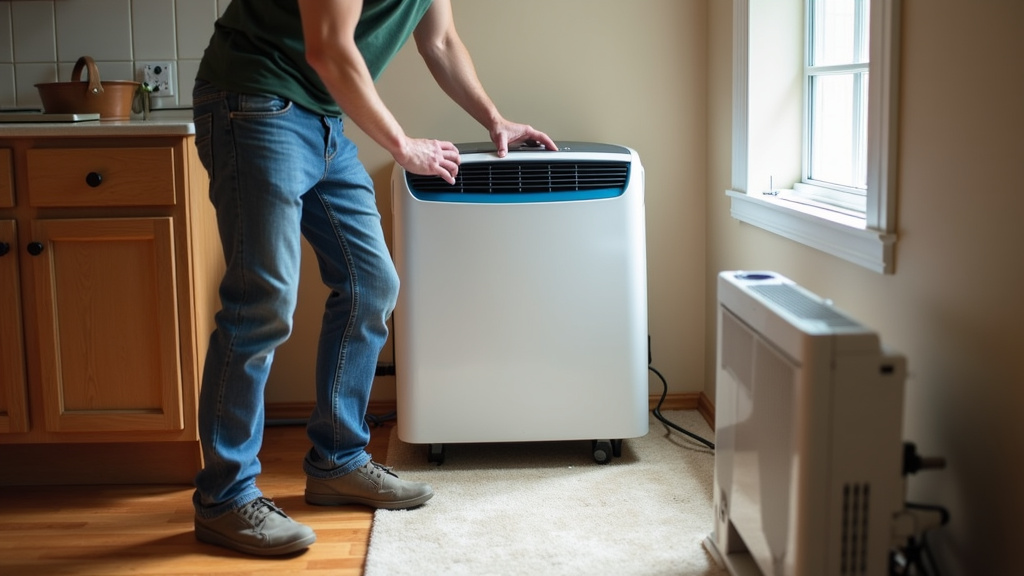
A dehumidifier works by pulling excess moisture out of the air, helping to create a healthier, more comfortable environment. It can prevent mold, protect your belongings, and improve the air you breathe.
Your Basement Dehumidifier Checklist
Use this checklist to quickly assess your basement’s needs:
- Does your basement have a musty or damp odor?
- Do you see any visible mold or mildew growth on surfaces?
- Is there condensation on windows, pipes, or walls?
- Does the air in your basement feel sticky or clammy?
- Are there signs of peeling paint, warped wood, or rust?
- Is your hygrometer consistently reading above 50% humidity?
If you answered yes to one or more of these questions, it’s highly likely that your basement would benefit significantly from a dehumidifier.
| Sign of High Humidity | What It Looks Like/Feels Like | Why It’s a Problem |
|---|---|---|
| Musty Odor | Damp, earthy, stale smell | Indicates mold/mildew growth; poor air quality |
| Visible Mold/Mildew | Black, green, white, or fuzzy spots | Health risk (allergens), structural damage |
| Condensation | Water droplets on pipes, windows, walls | Leads to mold, water damage, rust |
| Damp/Clammy Air | Heavy, sticky, uncomfortable feeling | Uncomfortable living space, promotes growth of pathogens |
| Material Damage | Peeling paint, warped wood, rust | Expensive repairs, ruined belongings |
Conclusion
Pinpointing whether your basement needs a dehumidifier comes down to recognizing the signs of excess moisture. By looking for musty smells, visible mold, condensation, or general dampness, you can quickly assess your situation. These indicators are not just cosmetic; they signal potential damage and health concerns. We found that acting promptly saves you money and stress in the long run.
If you’ve spotted any of these tell-tale signs, or your hygrometer shows high humidity, it’s a clear signal. Consider investing in a dehumidifier to protect your home, your belongings, and your family’s health. You’ll create a far more comfortable and safer basement environment.
Frequently Asked Questions
How quickly does a dehumidifier make a difference in a damp basement?
You can often notice a difference within a few hours to a day after running a dehumidifier. The musty smell should begin to dissipate, and the air will feel less heavy. For optimal results, allow it to run consistently for several days to bring humidity levels into the ideal range.
Can a dehumidifier help with basement allergies?
Yes, a dehumidifier can significantly help with basement allergies. By reducing humidity, it inhibits the growth of mold, mildew, and dust mites, all common allergens. This leads to fewer airborne triggers and improved air quality in your home.
What is the ideal humidity level for a basement?
The ideal relative humidity for a basement, and your home in general, is typically between 30% and 50%. Maintaining this range prevents the growth of mold and mildew while keeping your home comfortable. Above 60% humidity, problems start to become common.
How often should I run my basement dehumidifier?
You should run your basement dehumidifier as often as needed to maintain optimal humidity levels. Many modern dehumidifiers have a built-in humidistat that lets you set a target humidity. The unit will then turn on and off automatically to keep the level consistent.
Will a dehumidifier solve water leaks in my basement?
No, a dehumidifier will not solve water leaks in your basement. It only removes moisture from the air. If you have active leaks or standing water, you must address the source of the water first. A dehumidifier then helps dry out the lingering dampness and prevent secondary problems.