What Is Considered High Humidity in a House?
On this page (3 sections)
What is considered high humidity in a house? Generally, relative humidity above 60% is too high for your home. Ideally, you want to keep your indoor humidity levels between 30% and 50% for comfort and health.
We found that staying within this range helps prevent problems. Too much moisture can cause issues like mold growth and structural damage. It also makes your home feel hot and sticky, even if the air conditioning is running.
- Ideal indoor humidity is 30-50%.
- Over 60% is considered high.
- High humidity causes mold and damages your home.
- It also makes your house feel hotter.
- Monitoring humidity can prevent these issues.
Let’s walk through exactly why these numbers matter and what you can do about it.
Understanding High Humidity Levels in Your Home
You might be asking yourself, “What exactly constitutes high humidity?” We found that generally, any relative humidity level above 60% is considered too high for a comfortable and healthy indoor environment. Think of it like this: your home starts to feel like a tropical jungle, but without the fun animals.
Maintaining optimal indoor humidity is really about striking a balance. Too high, and you invite a host of problems. Too low, and you face different challenges. Our goal here is to help you understand that sweet spot.
The Ideal Indoor Humidity Range
So, what’s that sweet spot we mentioned? We found that most experts agree on a range between 30% and 50% relative humidity. This range helps keep you comfortable and protects your home. It’s like finding the perfect temperature for your bath – not too hot, not too cold.
Within this ideal range, your home feels pleasant. You’ll notice less static electricity, your skin will feel better, and your wooden furniture won’t suffer. It’s all about creating a healthy living space for you and your family (Environmental Protection Agency).
Why High Humidity Is a Problem
When your indoor humidity climbs above that 60% mark, you’re rolling out the welcome mat for trouble. We’ve seen firsthand how quickly issues can arise. It’s not just about feeling sticky; it’s about real, tangible damage and health risks.
Imagine walking into a room and feeling that heavy, damp air. That’s your home telling you it’s too humid. This excess moisture creates a prime breeding ground for unwanted guests and can quietly erode your home’s structure.
Health Concerns from Excess Moisture
High humidity often brings unwelcome health issues. The most common problem is the growth of mold and mildew. These fungi release tiny spores into the air, and when you breathe them in, they can cause allergic reactions.
Symptoms might include sneezing, runny nose, red eyes, and skin rashes. For people with asthma or allergies, mold can trigger more severe attacks. We found that even healthy individuals can develop respiratory problems from prolonged exposure to mold (CDC).
Dust mites also love high humidity. These microscopic creatures thrive in moist environments, and their droppings are a common allergen. If you wake up with a stuffy nose or itchy eyes, high humidity might be contributing to a dust mite party in your bed.
Damage to Your Home’s Structure and Belongings
Beyond health, high humidity is a silent destroyer of your home. We’ve observed how it can impact everything from your walls to your valuables. It’s like a slow-motion flood, seeping into every corner.
- Wood Rot and Warping: Wooden floors, furniture, and structural beams can absorb moisture, causing them to warp, swell, or even rot over time.
- Peeling Paint and Wallpaper: Excess moisture can prevent paint from adhering properly, leading to bubbling and peeling. Wallpaper can lift at the seams.
- Musty Odors: That tell-tale “old house” smell is often a sign of mold or mildew growing in damp, enclosed spaces.
- Pest Infestations: Roaches, silverfish, and other pests are drawn to moist environments. High humidity makes your home more appealing to them.
- Corrosion: Metal fixtures, tools, and even electronics can rust or corrode more quickly in a high-humidity setting.
Think about your grandmother’s antique dresser. High humidity could slowly ruin its beautiful finish. It’s a hidden enemy that works continuously.
How to Tell If Your Home Has High Humidity
You don’t always need a fancy gadget to know if your humidity is too high. Your senses can tell you a lot! We’ve put together some common indicators you can look out for.
It’s like your home is talking to you. Are you listening? These signs are often clear signals that you have too much moisture in the air.
Visible Signs and Sensory Cues
One of the easiest ways to spot high humidity is by simply looking around and feeling the air. Do these sound familiar?
- Condensation on Windows: If your windows are frequently foggy or have water droplets, especially in cooler weather, that’s a classic sign. It means warm, moist air is hitting the cold glass and condensing.
- Damp or Sticky Air: Does the air feel heavy or thick? Do things feel slightly damp to the touch, even if they aren’t wet? That’s the feeling of high humidity.
- Musty or Moldy Smell: A persistent earthy, damp, or stale odor, especially in basements, bathrooms, or closets, is a strong indicator of mold or mildew growth.
- Water Stains on Walls or Ceilings: These can be signs of active leaks, but also places where condensation has built up and caused damage.
- Warping Wood: If your wooden doors stick, floors creak excessively, or furniture seems to be changing shape, it could be due to moisture absorption.
Using a Hygrometer for Accurate Readings
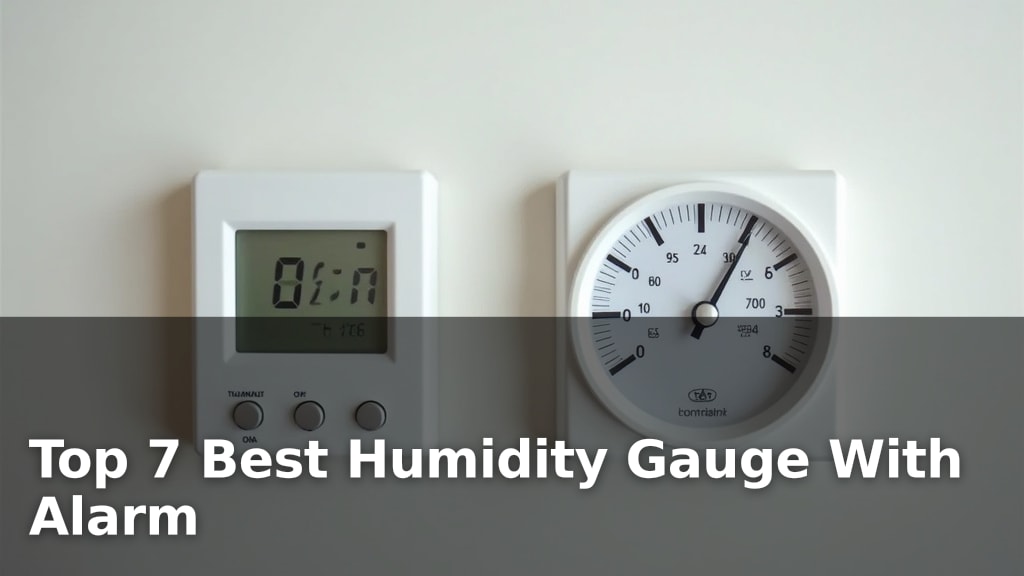
While your senses are helpful, a hygrometer is your best friend for precise measurements. This small device tells you the exact relative humidity percentage in a room. It’s like a thermometer for humidity.
You can find hygrometers at most hardware stores or online. They are usually quite affordable and provide immediate, accurate data. We recommend placing them in different areas of your home, especially where you suspect humidity might be an issue.
Checking your hygrometer regularly, especially during seasonal changes, will help you stay proactive. If you see readings consistently above 60%, you know it’s time to take action.
The Impact of Temperature on Relative Humidity
Here’s a concept that sometimes confuses people: relative humidity isn’t just about the amount of water in the air; it’s also about air temperature. It’s a bit like how a sponge can hold more water when it’s warmer.
Warm air can hold more moisture than cold air. So, if you have the same amount of water vapor in the air, but the temperature drops, the relative humidity percentage will go up. This is why you often see condensation on windows in the winter – the cold glass cools the air right next to it, increasing its relative humidity to 100%, and then the water vapor condenses.
This relationship means that simply turning down your thermostat won’t necessarily solve a high humidity problem. You might feel cooler, but the air could still be laden with moisture, leading to that clammy feeling. Understanding this helps you tackle the root cause.
Why Controlling Humidity Matters
Controlling the humidity in your home is more than just a comfort issue; it’s about protecting your health and your investment. We often find that people underestimate the silent damage high humidity can cause over time.
Imagine your home as a living organism. Just like you need the right temperature and hydration, your house needs the right humidity levels to thrive. Ignoring it can lead to costly repairs and persistent health issues.
By keeping your indoor humidity between 30% and 50%, you’re creating an environment that discourages mold, keeps pests away, and preserves the integrity of your home’s structure and contents. It’s a simple, proactive step that pays off significantly.
Here’s a quick checklist of why humidity control is so important:
- Prevents mold and mildew growth.
- Reduces dust mite populations.
- Protects wood, paint, and electronics.
- Eliminates musty odors.
- Improves indoor air quality for better health.
- Increases overall comfort and reduces that sticky feeling.
It’s about creating a safe, comfortable, and long-lasting home for you and your loved ones. Let’s explore how you can manage these levels effectively.
Conclusion
You now understand that relative humidity above 60% is considered high for your home. We’ve seen how this can lead to uncomfortable living, health issues like mold, and damage to your property. Maintaining that sweet spot between 30% and 50% isn’t just about comfort; it’s about protecting your home and family.
Use a hygrometer to monitor your indoor air. If readings are consistently high, it’s time to take action. Start exploring solutions like dehumidifiers or improving ventilation. Your home will thank you for it.
Frequently Asked Questions
What is the fastest way to reduce humidity in a house?
The quickest way to lower humidity is often by using a dehumidifier. Running your air conditioner also helps, as it removes moisture from the air as it cools. Proper ventilation, especially after showers or cooking, also makes a big difference.
Can high humidity make you sick?
Yes, it can. High humidity creates an ideal environment for mold, mildew, and dust mites. Breathing in spores or dust mite allergens can trigger allergies, asthma attacks, and other respiratory issues, making you feel unwell.
Is 70% humidity too high for a house?
Absolutely, 70% humidity is definitely too high. At this level, mold and mildew can thrive rapidly, and your home will feel very uncomfortable. This also significantly increases the risk of damage to your structure and belongings over time.
What humidity level is too low for a house?
Just as too high is a problem, humidity levels consistently below 30% can also cause issues. Very low humidity can lead to dry skin, irritated sinuses, and static electricity. It can also cause wood furniture and floors to crack or warp.
Will opening windows reduce humidity?
Opening windows can reduce indoor humidity if the air outside is drier than the air inside. However, if it’s humid and warm outdoors, opening windows will only bring more moisture into your home. Use this strategy carefully based on outdoor conditions.