Dehumidifier vs Ozone Generator: What Is the Difference? (October 2026)
A dehumidifier removes moisture from air; an ozone generator produces ozone to treat odors. Choose a dehumidifier for damp conditions and an ozone generator only for odor treatment in an unoccupied space.
On this page (7 sections)
- Dehumidifier vs Ozone Generator: What Is the Difference?
- Dehumidifier vs ozone: what does each device do?
- Which one should you use for a damp room?
- Does an ozone generator remove moisture?
- What should you use for a musty or smoky smell?
- Can a dehumidifier reduce ozone?
- How do you choose the right equipment?
Dehumidifier vs Ozone Generator: What Is the Difference?
A dehumidifier removes moisture from air; an ozone generator produces ozone to treat odors. In a dehumidifier vs ozone comparison, choose based on whether you're managing dampness or considering odor treatment.
These devices have different functions. A dehumidifier removes moisture, while an ozone generator is intended for odor treatment and must be used only in an unoccupied space.
If your room feels damp, check for leaks, condensation and other moisture sources. If you're dealing with an odor, identify and clean its source before considering treatment.


Dehumidifier vs ozone: what does each device do?
A dehumidifier removes moisture; an ozone generator produces ozone for odor treatment. One is used for humidity control, and the other for odor treatment.
A compressor dehumidifier removes water from the air, which collects in a tank or drains through a hose. A small moisture absorber uses a different approach, such as silica gel beads that absorb moisture and need recharging.
An ozone generator doesn't collect water or lower a room's humidity. Ozone reacts with odors, but treatment doesn't fix a leak, damp building material or another cause of moisture.
For a broader look at moisture control and indoor air, read Does a Dehumidifier Help with Air Quality?. A dehumidifier may change humidity without acting as a general air purifier.
Which one should you use for a damp room?
Use a dehumidifier when excess moisture is the problem. Choose a unit that suits the room and the amount of moisture you need to remove.
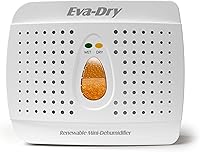
A small rechargeable absorber may suit a closet or cabinet where a full-size appliance would be impractical. The Eva-Dry Wireless Mini Dehumidifier uses silica gel beads and works in areas up to 333 cubic feet.
For a larger room or basement, consider a compressor model sized for the space. The AEOCKY 5500 Sq.Ft Energy Star Most Efficient removes up to 80 pints per day and includes a drain hose and garden hose adapter.
A dehumidifier can help lower humidity, but it won't repair a plumbing leak or stop water entering through a wall. Find and address the moisture source, then use the appliance to manage remaining humidity.
If you're comparing moisture removal with air cleaning, see Does a Dehumidifier Help Clean the Air?. A dehumidifier doesn't replace filtration or source control.
Does an ozone generator remove moisture?
No. An ozone generator treats odors; it doesn't dehumidify a room.
If the space is damp, an ozone treatment won't remove water from the air or correct the reason the room is wet.
Ozone generators are meant to operate in unoccupied spaces. Keep people, pets and plants away during operation, then follow the specific unit's airing and ventilation instructions before re-entry.
The Enerzen Ozone Generator uses a timer knob. Its instructions call for leaving the space empty during treatment and allowing an additional 30 minutes of airing out after ozone generation ends.
The hadlook Ozone Generator has a timer knob and continuous setting. Its instructions call for opening doors and windows and ventilating for 30 to 60 minutes after treatment.
Follow the directions for the specific unit you have. The airing and ventilation times differ between these two models.
What should you use for a musty or smoky smell?
Address the source first, then choose equipment for the actual problem. A musty odor may point to excess moisture, while smoke odor can remain after the source is gone.
For a musty room, look for a leak, wet materials or poor ventilation. Drying the space and controlling humidity may help, but a dehumidifier won't remove an active source of water.
For smoke odor, clean affected surfaces and fabrics where possible, and ventilate the area. A dehumidifier may help with dampness, but it isn't a smoke odor treatment; see Does a Dehumidifier Help with Smoke Smell?.
Ozone treatment requires an empty space during use and ventilation before people return. Clean or remove the odor source before considering treatment.
Can a dehumidifier reduce ozone?
A dehumidifier isn't designed to reduce ozone. Its purpose is to remove moisture, so don't rely on it to make a space safe after ozone treatment.
Follow the ozone generator's re-entry instructions and allow the specified airing or ventilation period. For more detail on the distinction, read Can a Dehumidifier Reduce Ozone?.
Also see Do Dehumidifiers Produce Ozone? if you're concerned about ozone from a dehumidifier. The two appliances have different functions, even when both are discussed in relation to indoor air.
How do you choose the right equipment?
Choose based on the problem: moisture calls for a dehumidifier, while odor treatment may involve an ozone generator used safely. Neither device is a substitute for fixing the source.
For a small enclosed area, a rechargeable moisture absorber may be enough to manage limited humidity. For a larger space, compare a dehumidifier's capacity and drainage options with the room's conditions.
Use an ozone generator only if you can keep the space unoccupied during treatment and ventilate it according to its instructions. If you can't do that, don't use one there.
The difference between a humidifier and a dehumidifier is another useful distinction: one adds moisture, while the other removes it. For this comparison, pick a dehumidifier for damp air and consider an ozone generator only for carefully managed odor treatment.
Frequently asked questions
Does a dehumidifier remove ozone?
A dehumidifier's job is to remove moisture, not to treat ozone. Don't use one as an ozone control method; follow the ozone generator's safety directions and ventilate the treated space as directed before people return.
Can an ozone generator dry out a damp room?
No. An ozone generator produces ozone for odor treatment, while a dehumidifier removes water from the air.
If a room is damp, address the moisture source and use equipment intended to control humidity.
Can you run an ozone generator while people are home?
No. Ozone generators are meant to operate only in unoccupied spaces.
Keep people, pets and plants away during treatment, then follow the specific unit's airing and ventilation instructions before anyone re-enters.
Which should you use for a musty smell?
First find and address the moisture source, since a musty odor can accompany damp conditions. A dehumidifier can reduce excess moisture; an ozone generator is a separate odor treatment that must only be used in an unoccupied space.