Can Dehumidifiers Spread Germs Through the Air?
A dehumidifier can move dust and particles through its airflow, but it doesn't create germs or disinfect a room. Keep the tank and accessible parts clean and dry to reduce buildup.
On this page (8 sections)
- Can air dehumidifiers spread germs through the room?
- How could contamination move through a dehumidifier?
- How should you clean a dehumidifier to reduce buildup?
- Could airflow carry germs from one room to another?
- Do dehumidifiers create radon or other gases?
- Which products help with moisture care?
- What should you do if a dehumidifier smells musty?
- Can a dehumidifier be bad for you?
Air dehumidifiers can move dust and particles through their airflow, but they don't create germs or disinfect a room. Keep the tank and accessible parts clean and dry to reduce buildup.
A dehumidifier draws room air through its intake and sends it back out. If dust or other particles are already in the room or inside a dirty unit, airflow may move some of them around.
Can air dehumidifiers spread germs through the room?
A dehumidifier may circulate particles that are already present, but it isn't a germ source by default. The risk depends on what is in the air and whether the unit has been kept clean.
Most household dehumidifiers collect condensed water in a tank or send it through a drain hose. Moisture collection alone doesn't mean germs are being killed, trapped, or released.
For an example of a combination cooling and humidifying appliance, see whether the Dyson Humidify+Cool dehumidifies.
For what the process can and cannot do, read whether a dehumidifier kills germs.
A dirty or wet unit deserves attention. Dust on the filter can restrict airflow, while grime or standing water in a tank can lead to odors and buildup.
Clean only the parts and surfaces that the manufacturer's instructions allow.
How could contamination move through a dehumidifier?
Airflow can carry particles into and out of a unit, while stored water and damp surfaces can collect residue. These are separate pathways, and routine care helps address both.
Can the filter or airflow spread particles?
A filter may catch some dust as air passes through, depending on the design, but a dehumidifier is not automatically an air purifier. Follow the manual for cleaning or replacing the filter, and don't run the unit with a missing or damaged filter if the instructions require one.
Keep the intake and outlet clear of walls, curtains, and stored items. This supports normal airflow and makes it easier to inspect the unit for dust or visible buildup.
If your main goal is reducing airborne particles, a dedicated cleaner may fit better. Compare dehumidifiers and ozone generators to understand the difference.
See whether a dehumidifier helps clean the air for the difference between moisture control and air cleaning.
Can tank water become a contamination concern?
Water collected from the air can contain dust and other debris. Empty the tank when it is full, and don't leave water sitting in it when the unit is off or stored.
Wash and dry the tank as directed by the manual. Avoid mixing cleaning products or pouring disinfectant into the unit unless the manufacturer specifically allows it.
Continuous drainage can reduce the need to empty a tank, but inspect the hose and drain point for leaks or standing water. Set up drainage according to the unit's instructions.
Can mold grow inside a dehumidifier?
Mold can grow where moisture and residue remain, especially if parts stay damp between uses. Emptying and drying the tank helps, but internal parts may need service if growth appears beyond the areas you can safely clean.
For practical signs and cleaning steps, see whether mold can grow in a dehumidifier. If you notice persistent musty odors, visible growth, or unusual residue, stop using the unit until you can follow the manual's cleaning or service guidance.
How should you clean a dehumidifier to reduce buildup?
Unplug the unit, empty the tank, and clean accessible parts as the manual directs. Let washable pieces dry completely before putting them back.
Start with the water tank and filter, since these are common routine-care items. Use only the cleaning method and products allowed for your model, and don't open sealed or electrical sections.
Clean up water around the unit promptly. Keep the cord and plug dry, and don't spray liquid into the intake, outlet, or control panel.
Could airflow carry germs from one room to another?
A portable dehumidifier mainly circulates air in the room where it is placed. It doesn't pull air through closed doors or distribute it evenly across an entire home.
If you need to control moisture in separate rooms, room layout and airflow matter. See whether dehumidifiers work through doors before relying on one unit for a closed-off space.
Keep the appliance away from wet areas, and follow its clearance requirements. If a drain hose runs to another area, make sure the hose is secure and doesn't create a new source of standing water.
Do dehumidifiers create radon or other gases?
A dehumidifier isn't a source of radon just because it moves air. Radon comes from the ground and can enter a building through openings, so testing is the way to check for it.
If you're concerned about a specific room, use an appropriate radon test and follow local guidance. Our article on whether a dehumidifier can emit radon explains the question in more detail.
Which products help with moisture care?
Choose a moisture-control product that suits the space, and keep it clean according to its instructions. For computer-specific placement, see dehumidifiers inside a PC.
For a compact desk setup, see dehumidifier balls beside a computer. A small rechargeable absorber may suit a compact enclosed area, while a full-size dehumidifier is a different kind of appliance.
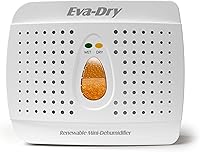
The Eva-Dry Wireless Mini Dehumidifier is a cordless silica gel moisture absorber for small spaces such as closets, cabinets, and cars. It has an absorption capacity of up to 6 oz, and Eva-Dry says the beads can be recharged when the indicator changes color.
Follow its instructions for placement and recharging. Keep it away from children and pets as directed.
For the distinction between the appliances, see air dryer vs dehumidifier.
What should you do if a dehumidifier smells musty?
Turn it off, unplug it, and check the tank, filter, and accessible surfaces for water or buildup. Clean and dry allowed parts according to the manual before using it again.
If the smell remains, you see growth inside an area you can't reach, or the unit leaks, stop using it and contact the manufacturer or a qualified repair service. Don't try to mask the odor with fragrance or spray cleaner into the appliance.
Can a dehumidifier be bad for you?
A clean, properly used dehumidifier isn't generally expected to spread germs, but poor maintenance can leave damp, dirty parts. Dry air can also feel uncomfortable if humidity drops too low, so follow the unit's controls and room guidance.
If you have a health concern about your home environment, consider the source of the moisture and get advice suited to your situation. Read whether a dehumidifier can be bad for you for other practical concerns.
For a skin-related question, see whether a dehumidifier helps with acne.
Keep the unit's tank empty when not in use, its filter maintained, and its airflow unobstructed. If you need to manage moisture, choose a dehumidifier for the room and maintain it; if you need to reduce airborne particles, choose an air-cleaning device designed for that task.
Frequently asked questions
Can a dehumidifier spread bacteria?
A dehumidifier can move particles already present in the room as air passes through it, but that does not mean it creates or disinfects bacteria. Empty and clean the tank as instructed, keep the filter clear, and address standing water or musty odors inside the unit.
Can mold grow inside a dehumidifier?
Mold can grow where moisture and debris remain, including parts of a neglected dehumidifier. Empty the tank, clean the unit according to its manual, and let washable parts dry fully before reinstalling them.
If mold returns or you see growth inside inaccessible areas, stop using the unit and seek service guidance.
Should I leave water in my dehumidifier tank?
No. Empty the tank when it is full and whenever the unit will sit unused, following the manual's instructions.
Rinse or clean it as directed and let it dry before storage.
A tank that holds water can develop buildup or odors if it is left dirty.
Does a dehumidifier clean the air?
A dehumidifier removes moisture from air; it isn't a substitute for an air cleaner or a way to sterilize a room. Its filter may catch some dust as air passes through, depending on the model, but keep expectations modest and follow the manual's filter care instructions.