Do Dehumidifiers Create Oxygen?
No. Dehumidifiers remove water vapor from indoor air; they don't create oxygen. They can change humidity, but fresh air comes from ventilation.
On this page (6 sections)
No. Dehumidifiers remove water vapor from indoor air; they don't create oxygen.
They can change humidity, but fresh air comes from ventilation.
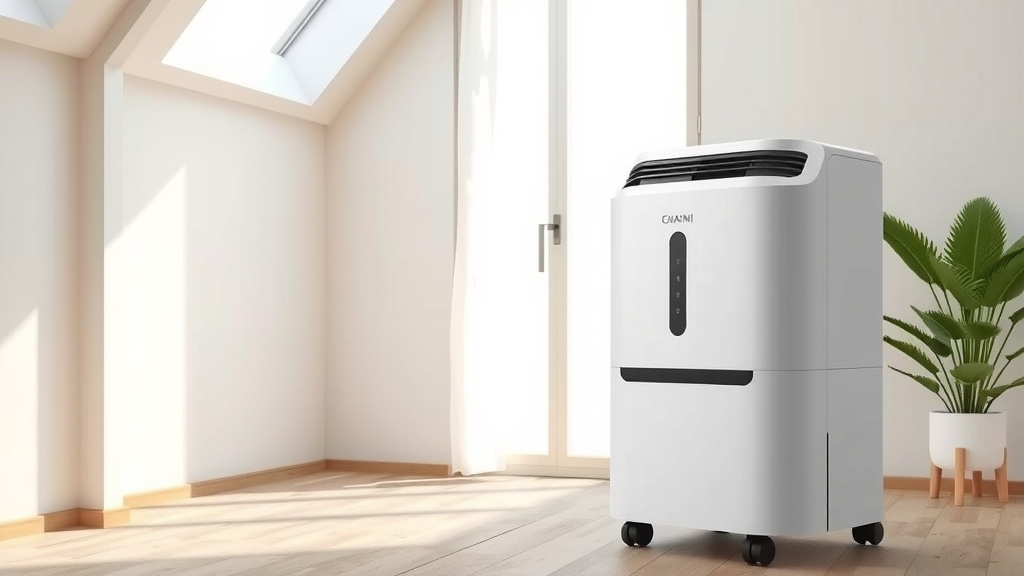
A dehumidifier draws room air through its moisture-removal system and returns air with less water vapor. It doesn't make oxygen molecules or bring outdoor air into a closed room.
If your room feels stuffy, focus on airflow and the source of the problem. For a related look at what moisture control can and can't do, see Does a Dehumidifier Help with Air Quality?.
Do dehumidifiers create O2 or remove it?
No, a dehumidifier doesn't create O2. Its job is to remove some water vapor, not change the air through oxygen production.
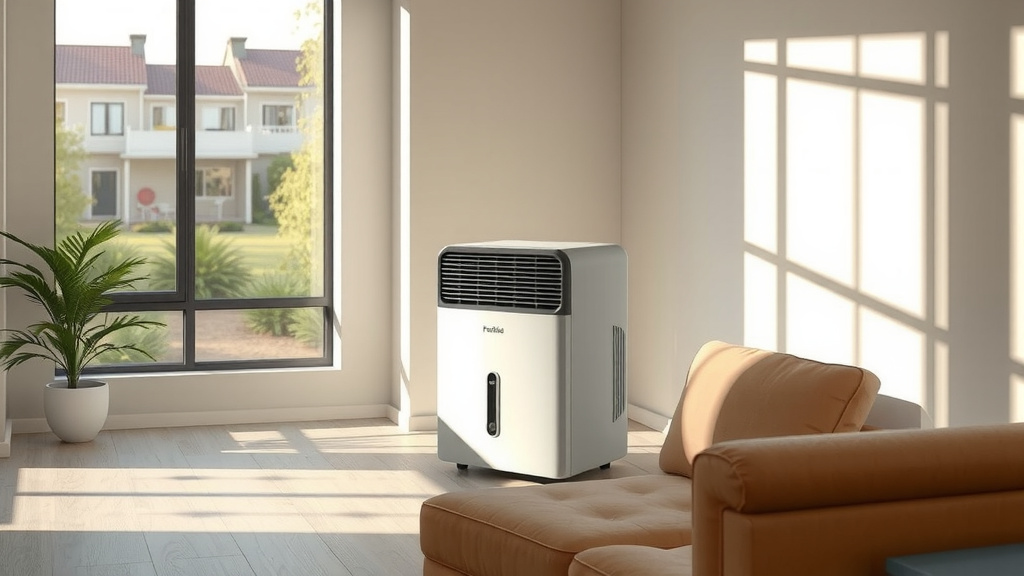
The machine processes air already in the room. Compressor models cool air to collect water, while desiccant models use a moisture-absorbing material.
Neither process generates oxygen.
Removing water vapor changes humidity, but it doesn't supply fresh air. A room still needs appropriate air exchange for ventilation.
Does a dehumidifier add oxygen to a room?
No. A dehumidifier doesn't add oxygen to a room.
It recirculates indoor air while reducing moisture, so don't treat it as a substitute for outdoor air or ventilation.
If the room has a ventilation system, openable windows, or another safe source of fresh air, use those according to the building and equipment instructions. Don't open windows if outdoor conditions would make the moisture or air-quality problem worse.
Why can a room feel different after dehumidifying?
A room may feel less damp after moisture is removed, but that change doesn't mean oxygen levels increased. Humidity affects comfort and how surfaces feel, while ventilation determines how indoor air is exchanged.
Dampness can contribute to musty odors and moisture problems. A dehumidifier may help reduce excess moisture, but it doesn't remove every airborne particle or odor source.
For questions about germs moving through room air, see whether dehumidifiers spread germs.
For the distinction between moisture control and particle removal, read Does a Dehumidifier Help Clean the Air?. That can help you decide whether humidity control, filtration, or another step matches your concern.
What should you do if indoor air feels stale?
Check ventilation and the source of the stale air first. Use an exhaust fan where appropriate, make sure supply and return vents aren't blocked, and follow your building's ventilation guidance.
Odors may come from damp materials, cooking, smoke, cleaning products, or other sources. Removing the source is often more useful than expecting one appliance to solve every air problem.
If smoke odor is the issue, our guide to whether a dehumidifier helps with smoke smell explains the limits of moisture control.
Can a dehumidifier reduce ozone or make ozone?
A dehumidifier removes moisture; ozone generation is a separate process. Don't use an ozone generator as a way to improve oxygen or make a room safer to breathe.
The Enerzen Ozone Generator produces ozone for odor treatment. Enerzen says to operate it only in unoccupied spaces, remove people, pets, and plants, and allow 30 minutes after generation for residual ozone to revert to breathable air.
Follow the device's safety instructions when using ozone equipment. Read Can a Dehumidifier Reduce Ozone? for the difference between a dehumidifier and ozone equipment.
Which dehumidifier fits a moisture problem?
Choose a dehumidifier based on the size and moisture needs of the space. It can help manage humidity, but it won't create oxygen or replace ventilation.
For a small enclosed area, the Eva-Dry Wireless Mini Dehumidifier is a cordless silica gel moisture absorber for spaces such as closets, cabinets, and cars. It absorbs up to 6 oz of moisture before recharging.
For a larger area, the AEOCKY 5500 Sq.Ft Energy Star Most Efficient is a compressor dehumidifier with an 80-pint-per-day capacity and a stated coverage area of 5,500 sq ft.
Neither option adds oxygen. Pick based on the moisture problem and room size, and address ventilation separately if the room needs fresh air.
How many dehumidifiers do you need?
The right number depends on the spaces you need to dry and how well air moves between them. A unit in one closed room won't necessarily control humidity in separate rooms.
Start by checking humidity in the areas where dampness occurs. Keep doors open only if that suits your privacy and heating or cooling needs, and follow each unit's placement instructions.
Our guide to how many dehumidifiers you need can help you think through multiple rooms. If you're unsure whether a unit fits your situation, see Do I Really Need a Dehumidifier?.
How can you tell whether the problem is humidity or ventilation?
A dehumidifier is for excess moisture; ventilation is for exchanging indoor air. A musty smell or damp surfaces point toward a moisture source, while persistent stuffiness calls for checking airflow and ventilation.
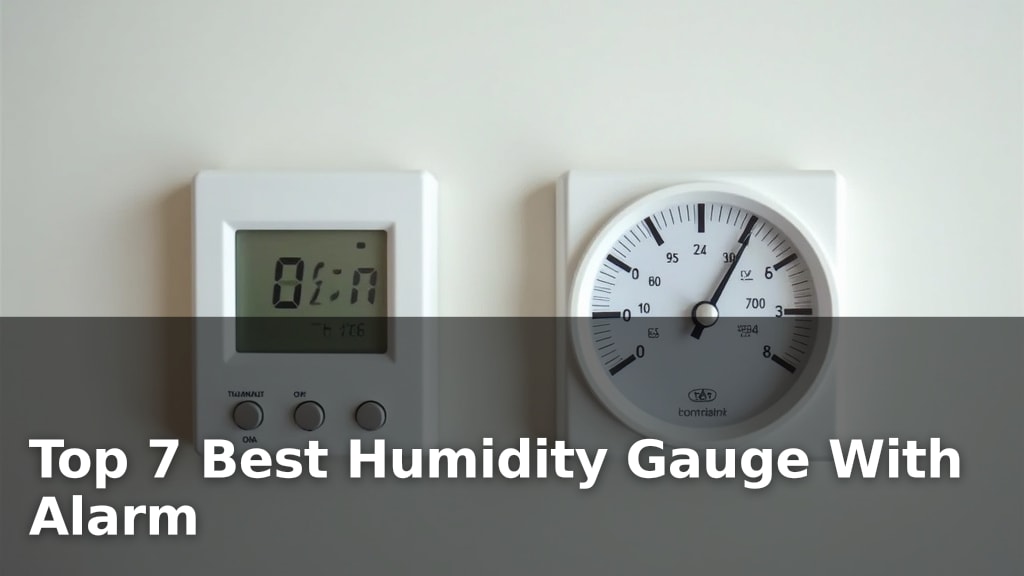
Use a humidity meter if you need to track moisture rather than judge it by feel alone. Look for leaks, wet materials, or condensation as well, since a dehumidifier doesn't repair the source.
Choose a dehumidifier when moisture is the problem, and appropriate ventilation when stale air is the concern. For skin concerns, see whether a dehumidifier can help acne.
Neither task creates oxygen, so keep those jobs separate.
Frequently asked questions
Do dehumidifiers create oxygen?
No. A dehumidifier removes water vapor from air as it passes through the unit, but it doesn't produce oxygen.
Oxygen levels depend on the air in the space and its exchange with outdoor air.
If you need fresh air, use suitable ventilation rather than relying on a dehumidifier.
Does a dehumidifier reduce oxygen in a room?
A standard dehumidifier isn't designed to consume oxygen or add it to a room. It removes moisture from the air, while ventilation and other sources determine how indoor air is replenished.
If a room feels stuffy, check airflow and ventilation instead of assuming the humidity setting will change oxygen levels.
Does lowering humidity make a room feel fresher?
Lowering excess humidity can make a space feel less damp, but that doesn't mean the air has more oxygen or has been replaced with outdoor air. A dehumidifier handles moisture.
Ventilation helps exchange indoor air, and filtration can capture some particles depending on the filter and device.
Can an air purifier create oxygen?
Most air purifiers filter particles from air that passes through them; they don't create oxygen. Read the device's description carefully, especially if it uses ozone, and follow its safety instructions.
For fresh air, use appropriate ventilation and address the source of stale or polluted air.